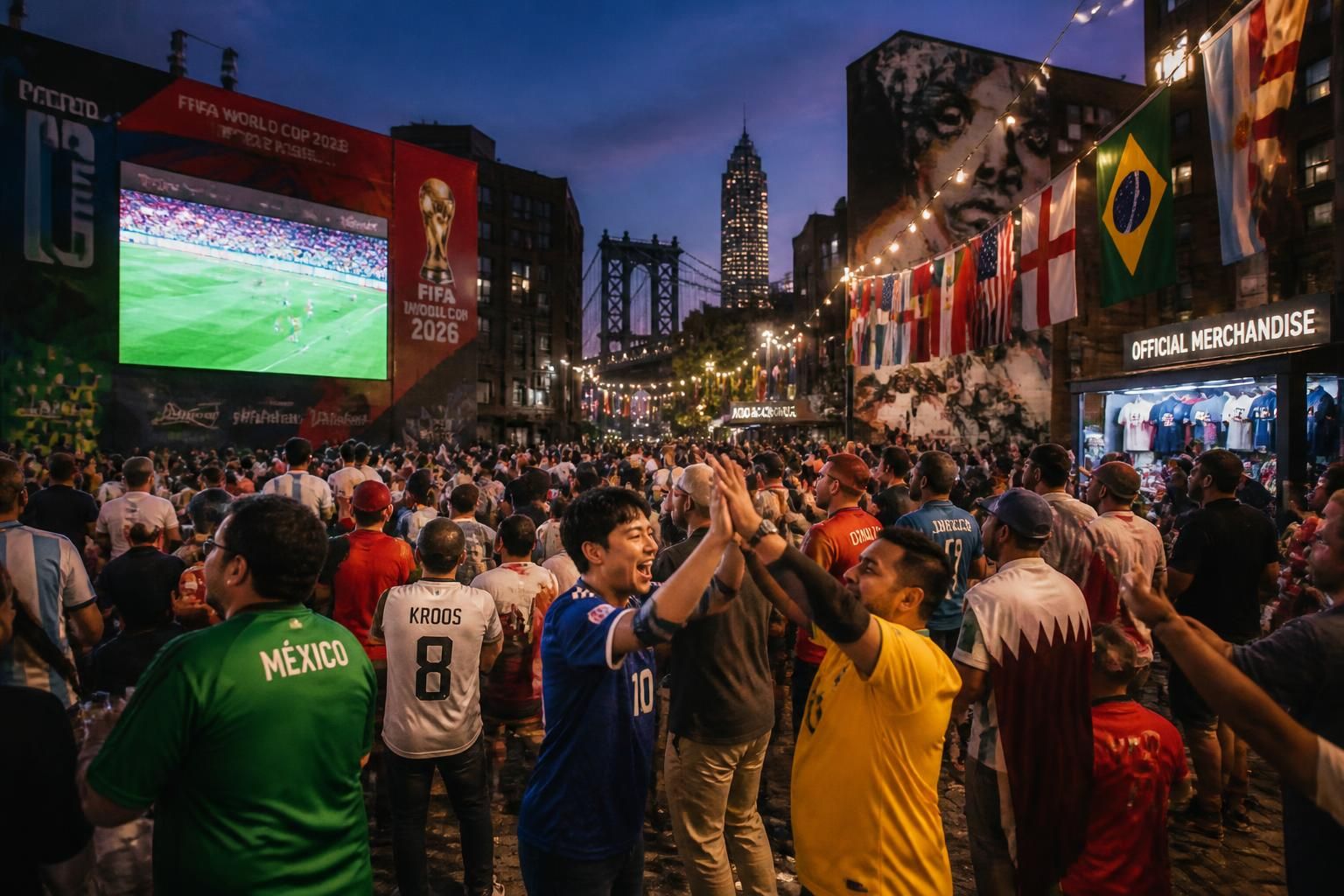
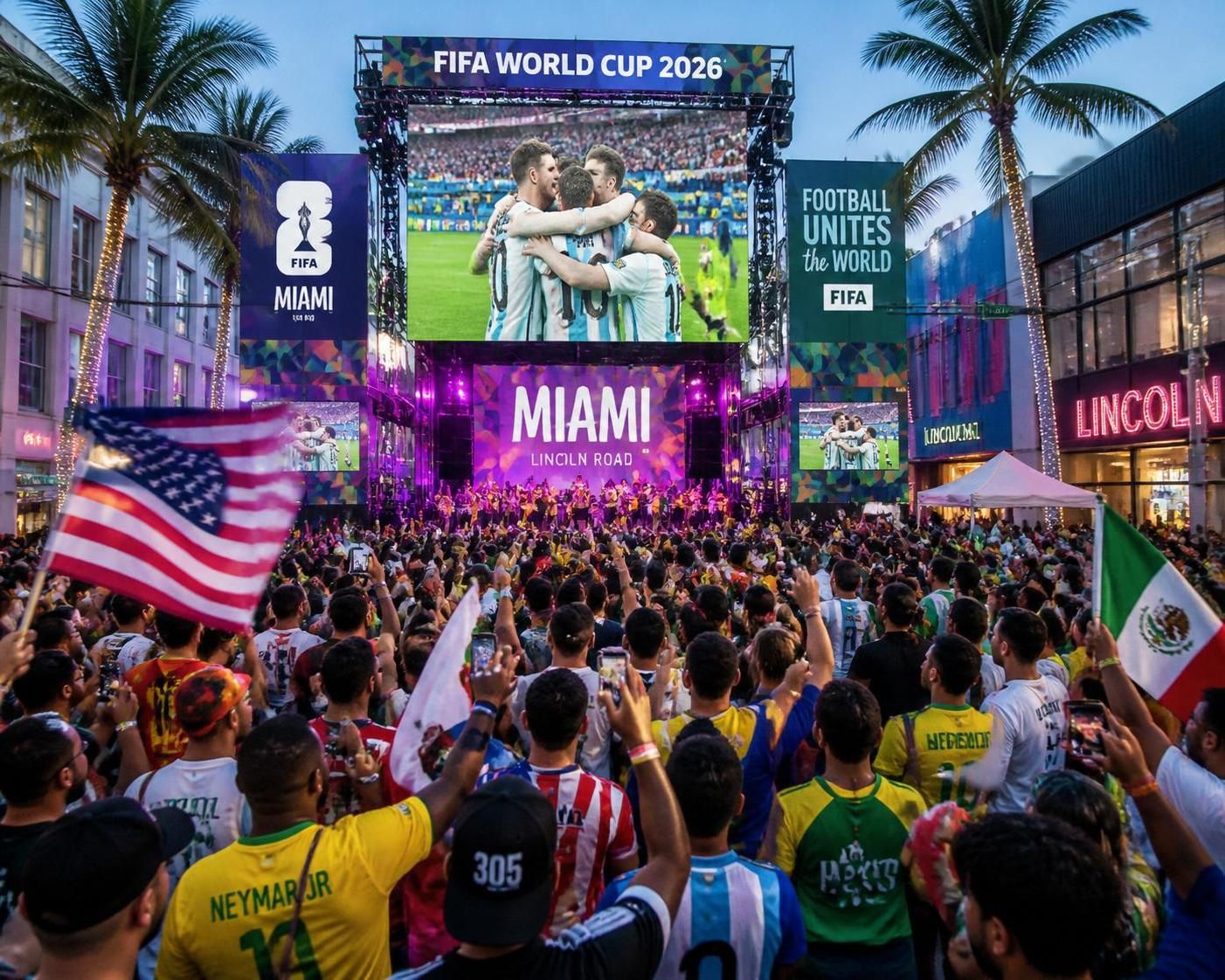
As the 2026 FIFA World Cup cascades across 16 stadiums in North America, it is becoming unmistakably clear that the tournament’s heartbeat pulses far beyond the confines of its official venues. From Miami’s expansive fan zones to the street celebrations that dance through city blocks, fan unity thrives in spaces where no ticket is required. In places like Lincoln Road in Miami, the spectacle transcends the physical game, transforming public walkways into stadiums without walls where languages mix and passion unites every fan, regardless of backing or origin. These gatherings have evolved into colossal community gatherings, where the true spirit of global football is celebrated with as much fervor as the goals themselves.
In the United States, host cities leverage their abundant public spaces to create immersive, multimodal experiences that rival the traditional stadium atmosphere. The FIFA Fan Festival at Bayfront Park in Miami alone occupies over 436,000 square feet, hosting live entertainment, sponsor activations, and match viewings on massive screens tailored for tens of thousands of soccer fans. Such fan zones become laboratories for how diverse communities embrace the sports events culture anew, often including interactive clinics for youth and regional showcases celebrating the distinct soccer heritages tied to this edition of the Cup.
Yet, beyond the spectacle lies a subtle commercial reality. With premium World Cup tickets exceeding $30,000 in some cases, these watch parties democratize access to the tournament’s energy and shared experience. Brands and cities capitalize on these stadiums without walls, turning them into pivotal engagement points that resonate deeply with local and international fans alike. Far from mere viewing events, they epitomize a new era where public viewing environments become the modern-day coliseums of football fandom, reinforcing that the World Cup’s unifying power is not tied to seating but to communal passion.
Brief
- • The 2026 FIFA World Cup extends its reach beyond physical stadiums through expansive fan zones and public viewing events.
- • Miami’s Lincoln Road and Bayfront Park serve as flagship examples of how street celebrations create immersive football experiences.
- • Watch parties democratize access amid soaring ticket prices, fostering community gatherings fueled by the global language of soccer.
- • Stadiums without walls offer brands innovative platforms to engage fans across cultural and socioeconomic spectrums.
Miami as the Epicenter for FIFA World Cup 2026 Watch Parties and Fan Unity
Miami’s reputation as a cultural and geographic bridge between the United States and Latin America manifests palpably in its World Cup festivities, which have become essential hubs for fans seeking intense communal experiences beyond stadium gates. The FIFA Fan Festival at Bayfront Park is a sprawling waterfront forum where thousands gather daily to catch live match broadcasts accompanied by dynamic entertainment and sponsor showcases. Meanwhile, pedestrian arteries such as Lincoln Road act as open-air fan zones, decorated with thematic installations like the “living tree” celebrating South American soccer, and official Concacaf fan houses that localize the global festival atmosphere.
The transformation of Miami into a FIFA World Cup capital underscores how host cities adapt their urban landscapes to engender vibrant community gatherings that celebrate the broader culture surrounding soccer. The active engagement is more than just screens and cheers; it is an intercultural exchange where people from different backgrounds share a polyglot of fandom, not limited by geography or language. The Domir Miami World Cup 2026 initiative typifies this trend, showing how soccer’s global reach is inscribed into the city’s very streetscape.
Expanding the Concept of Stadiums Without Walls Beyond Miami
While Miami’s fan zones offer a textbook example of how a city can harness its cultural pulse to create the ultimate non-ticketed viewing experience, other American cities are stepping forward with their own interpretations. From the Dallas World Cup 2026 fan zones to the festive atmospheres found in Atlanta, host cities capitalize on abundant public spaces to cultivate an elevated sense of inclusion and shared excitement. Each location brings its unique flavor of local culture infused with the global buzz, demonstrating that public viewing is no longer a secondary option but a main stage for fan interaction.
These urban spaces function as more than mere screens; they are hubs where football culture mingles with local music, gastronomy, and art, creating a mosaic of experiences that extend the World Cup’s magnetism well beyond the stadiums. The emphasis on accessibility and unity through shared passion propels these watch parties into cultural phenomena that signal a shift in how the beautiful game is absorbed and celebrated worldwide.
How Watch Parties Reinforce Community Togetherness Beyond Traditional Stadium Boundaries
Watch parties channeled through expansive fan zones emphasize how collective experiences around the FIFA World Cup spark profound fan unity. Without the imposed exclusivity of stadium seating, fans break the conventional mold, sharing the highs and lows of each match in an open venue fostering interaction that transcends boundaries of nationality and language. This phenomenon injects new life into soccer fandom, highlighting its role as a social and cultural binder.
This reimagined iteration of the World Cup creates public forums where social divides momentarily dissolve, giving way to collective joy and raw emotion. Cities hosting these events effectively reconfigure urban public spaces into arenas of passion, turning everyday streets into capitals of sport and culture. The impact extends to local economies and brand visibility, with sponsorship activations syncing seamlessly into this vibrant atmosphere.
As part of this evolution, new narratives arise around fan participation and access. The price barrier for premium seats, which can reach nearly $33,000, excludes many from direct stadium attendance, but watch parties rekindle accessibility for all. The democratization of public viewing ensures that the spirit of the tournament thrives in communal spaces, reinforcing the idea that soccer’s greatest power lies in its ability to unite diverse communities through shared passion and spectacle. Fans thus experience the World Cup not as isolated spectators but as active participants in an expansive global festival.
Further insights and developments regarding the intricate interplay between fan engagement, local cultures, and corporate involvement in these fan zones can be explored in depth at resources like Atlanta’s 2026 World Cup preparation and fan zones, amplifying understanding of this unique social dynamic shaping the future of global football.