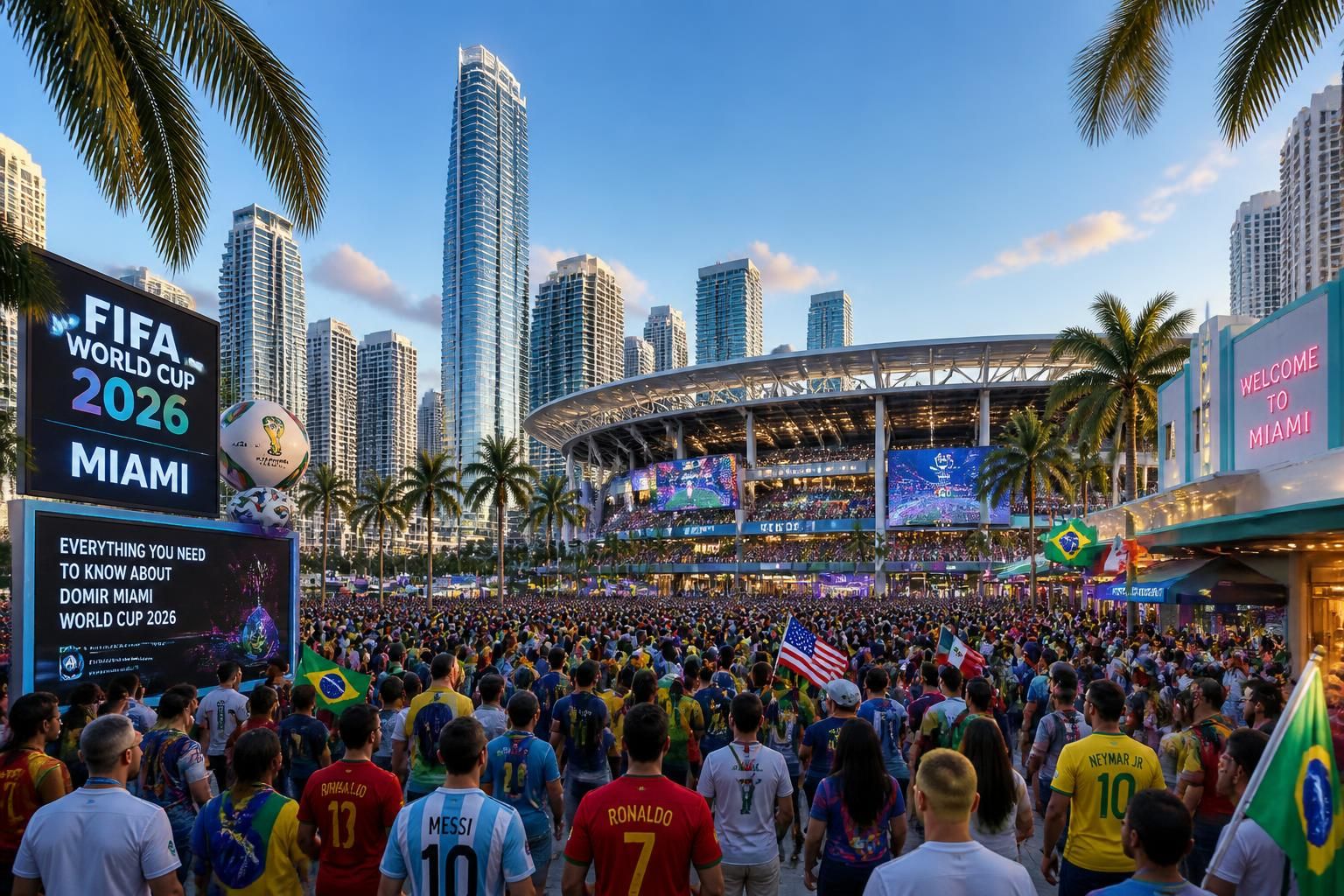
As the FIFA World Cup 2026 approaches, Miami emerges not just as a host city but as a pulsating heart of soccer culture, setting the stage for a tournament unlike any other. The Magic City’s unique blend of vibrant Latin influences, world-class culinary scenes, and electrifying nightlife will provide an unforgettable backdrop for one of the globe’s most celebrated sporting events. Hosting seven crucial matches at the newly revamped Hard Rock Stadium, Miami is preparing to welcome the world in style, despite the logistical and climatic challenges posed by its June heat and sprawling urban layout.
From meticulous infrastructure enhancements to deep-rooted fan cultures, Miami represents a microcosm of the global soccer phenomenon, perfectly poised to host passionate crowds from South America and beyond. Yet, the city’s infamous traffic jams, soaring accommodation costs, and sweat-inducing humidity demand well-planned navigation. This guide unpacks everything from stadium details and fan strategies to Miami’s intoxicating rhythms—both on and off the pitch.
- 🌴 Miami’s hosting of 7 pivotal World Cup games with Hard Rock Stadium’s unique canopy roof to combat the intense June heat
- ⚽ The distinct Latin vibe drawing fervent soccer fanbases, including South American powerhouses and Cristiano Ronaldo’s final World Cup appearance
- 🚗 Transportation hurdles with heavy traffic and rideshare price surges demanding early arrivals and patience
- 🍽️ World-class Cuban and Latin cuisine critical to the authentic Miami experience within walking and short rides from stadium zones
- 🏝️ The unprecedented synergy of beach culture and soccer, offering fans the chance to cool off after thrilling matches
Miami’s Unique Identity Shapes the World Cup 2026 Experience
Forget the typical American city hosting image — Miami operates on its own pulse. The city’s multicultural fabric, dominated by Cuban, Colombian, Brazilian, Argentine, and Dominican diaspora, means this edition of the World Cup brings fans into an environment where their languages, music, and food thrive naturally. It’s not just a soccer venue; it’s a cultural immersion trip. This melding of the Latin American spirit with a global sporting event gives Miami a rare standing among World Cup hosts.
But be ready for the heat. June in Miami is relentless, with temperatures frequently soaring beyond 90°F (32°C) and humidity hugging 74%. Matches will be played under the protective canopy of Hard Rock Stadium, a $550 million upgrade transformed to offer shade — absolutely essential given the climate. Fans will need to plan hydration and sun protection seriously or risk being worn down.
Hard Rock Stadium: More Than Just a Venue
Hosting seven matches, including group and knockout rounds, Hard Rock Stadium is a jewel in Miami’s sports crown, having previously staged iconic Super Bowls and Copa América matches. With a seating capacity of just over 65,000 for the World Cup configuration and a comprehensive canopy roof shading all seats, it addresses Miami’s harsh summer climate head-on — no other host city boasts such a feature.
Yet its location, approximately 16 miles north of downtown Miami, presents logistical headaches. Heavy traffic on match days can double travel times, and rideshare costs surge dramatically from popular neighborhoods like Brickell and South Beach. The advice across the board is clear: arrive early, don’t call a post-match Uber right away, and ride out the traffic.
Teams and Key Matches Charging Miami’s Electric Atmosphere
The tourney’s schedule places Miami at center stage for marquee matchups that promise to electrify local and global fans. Most notably, the June 27 clash between Colombia and Portugal is more than just a group stage game; it’s a spectacle rich with cultural significance. With Miami’s Colombian community ready to make waves and Portugal bidding farewell to Cristiano Ronaldo’s final World Cup performance, Miami will be the epicenter of passion and drama.
Brazilian and Argentine fans also converge on neighborhoods like South Beach and Brickell, their presence palpable and parties prepped to spill into the city’s famous nightlife. The intertwining of soccer with Miami’s vibrant Latin-rooted neighborhoods ensures every match feels like a home game, regardless of the nationality of the teams on the field.
The Fan Experience and Miami’s Latin Pulse
Miami doesn’t just host games; it hosts experiences. Food stands, music venues, and cultural hubs will pulse day and night during the tournament. Little Havana’s Calle Ocho, Wynwood’s street art, and Brickell’s bustling dining and rooftop scene all become vital veins pumping life into the World Cup. Fans seeking authentic vibes will be drawn away from the tourist-heavy South Beach towards these neighborhoods, where the true essence of Miami lies.
The official FIFA Fan Zone at Bayfront Park encapsulates this, its waterfront locale ideal for vibrant gatherings with stunning views of the Miami skyline. It represents a communal nexus where spectators and locals mingle in soccer fervor enhanced by the city’s tropical charm.
Mastering Miami’s World Cup Logistics
Success in Miami’s World Cup experience leans heavily on strategic planning. Choosing accommodation wisely—favoring Brickell for a balance of cost and vibe, South Beach for iconic flair, or Wynwood for culture—is critical. Renting a car offers flexibility but comes with the caveat of aggressive and congested traffic. Rideshare remains the most practical, but timing your rides is an art in itself, essential to dodge exorbitant surge prices and gridlock.
Match day schedules need padding. Leaving up to 90 minutes ahead is a common recommendation, especially if departing from lively hubs like Brickell or Wynwood. Stadium parking requires pre-booking and will otherwise be scarce and expensive. Inside the venue, arriving 90 minutes early is advised to navigate security and heat comfortably.
Planning for the Heat and Humidity
Miami’s relentless summer demands preparation. Lightweight, moisture-wicking clothing and constant sunscreen application are non-negotiable. Fans are advised to carry electrolytes and cooling towels — accessories that go beyond comfort to safeguard health. Scheduled downtime from 1 PM to 4 PM during peak heat hours isn’t just smart; it’s essential.
Afternoon thunderstorms, frequent yet brief, are another wild card. A packable rain jacket can save match day plans from being dampened. These conditions are a reminder that Miami’s tropical allure comes at a cost, and respecting the climate enhances every fan’s ability to enjoy the spectacle.