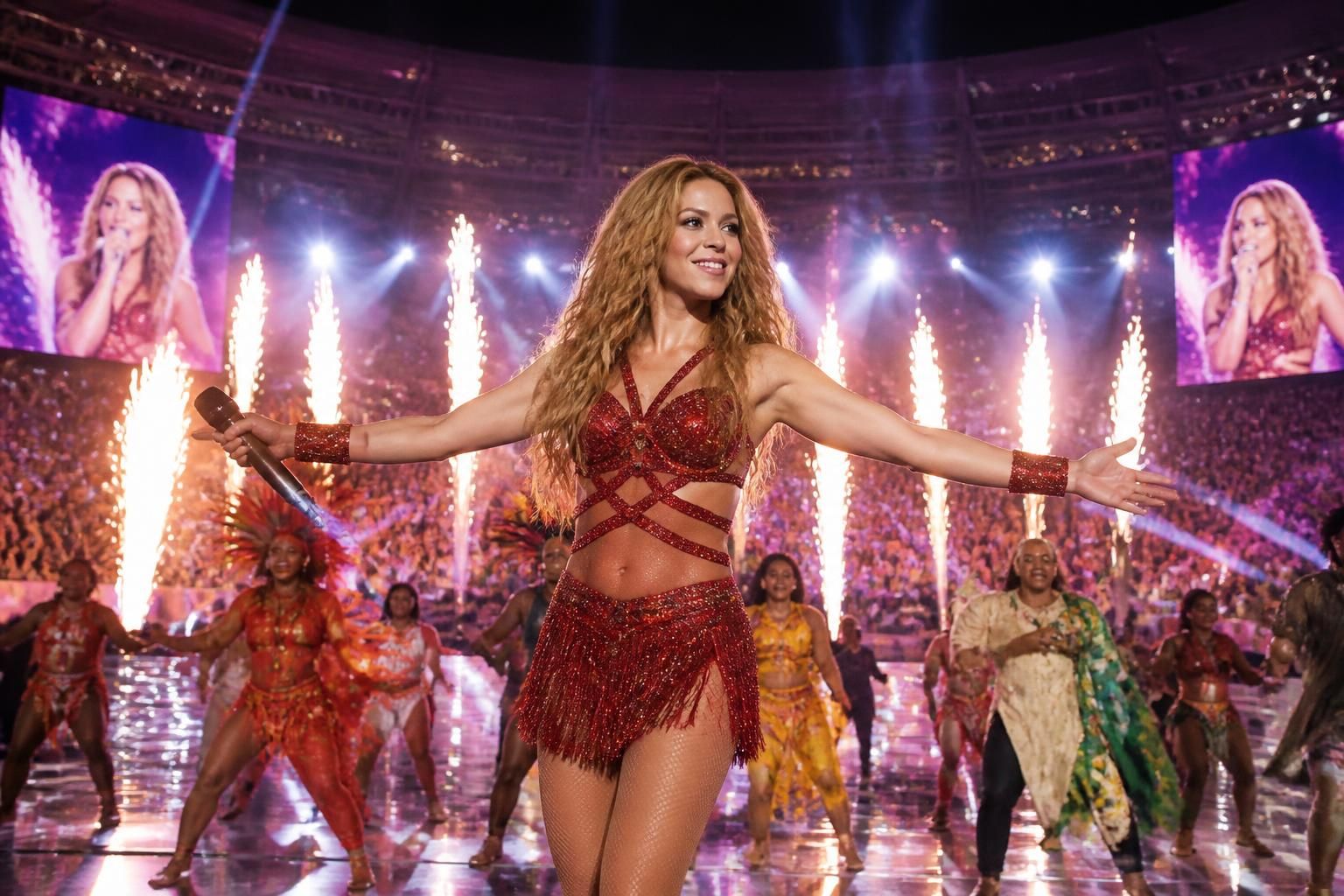
The FIFA World Cup 2026 officially kicked off with a trio of opening ceremonies stretching across North America, a historic first that celebrates the tournament’s global reach and cultural diversity. Shakira, renowned for bridging Latin rhythms with global appeal, led the festivities in Mexico City, setting a high bar for sports entertainment. This expansive event, featuring 48 teams instead of the traditional 32, ushers in a new era for soccer fans eager to witness an unprecedented breadth of competition and spectacle.
From Mexico City’s Estadio Azteca to the transformed BMO Field in Toronto and the iconic SoFi Stadium in Los Angeles, the 2026 tournament merges sports and music in a dramatic launch sequence that promises to captivate millions worldwide. Expected to draw vigorous fan engagement, each ceremony showcases local and international artists, echoing FIFA’s commitment to highlighting cultural vibrancy alongside the fiercely competitive spirit of soccer. This three-nation co-hosting venture—United States, Mexico, and Canada—adds unprecedented complexity and grandeur to the event, ensuring that the spotlight remains firmly on the rich narratives unfolding both on and off the pitch.
Sports enthusiasts are thus invited to witness not only a tournament of enhanced scale but also a dynamic celebration of cultural exchange, with Shakira’s Dai Dai leading the official soundtrack. The diverse artist lineup at each opening ceremony ensures that spectators experience more than a game—they are partaking in a multifaceted cultural event that marks this edition of the World Cup as one of the most spectacular in history.
Unprecedented FIFA World Cup Launches Reveal the Fusion of Soccer and Spectacular Music Performance
The launch of the 2026 FIFA World Cup is anything but conventional. Fans across three host countries were treated to simultaneous opening ceremonies that elevated the traditional sports spectacle into a global cultural festival. Shakira’s performance at Mexico City’s Estadio Azteca was the highlight, accompanied by Burna Boy and other notable talents like Alejandro Fernández and J Balvin who enriched the event’s musical diversity. This festival approach mirrors the tournament’s expanded format, designed to captivate a global audience with a wider lens on both athleticism and entertainment.
These ceremonies deftly underscore FIFA’s ambition to blend sport with cultural diplomacy, leveraging performances that resonate with the histories and hopes of host nations. In Canada, artists such as Alanis Morissette and Michael Bublé lent their voices to a ceremony underscoring national pride at the newly resized BMO Field in Toronto. Across the border, Los Angeles hosted an equally grand spectacle featuring Katy Perry and Future, celebrating the US team’s opening match amid a vibrant display of multicultural rhythms and styles.
The tripartite hosting model not only challenges logistical norms but also diversifies the cultural narratives woven into the tournament fabric, making this World Cup a landmark event for sports entertainment. The effectiveness of these opening ceremonies lies in their ability to generate buzz and unite fans through music, setting a spirited tone for what promises to be one of the most watched and celebrated editions in FIFA World Cup history.
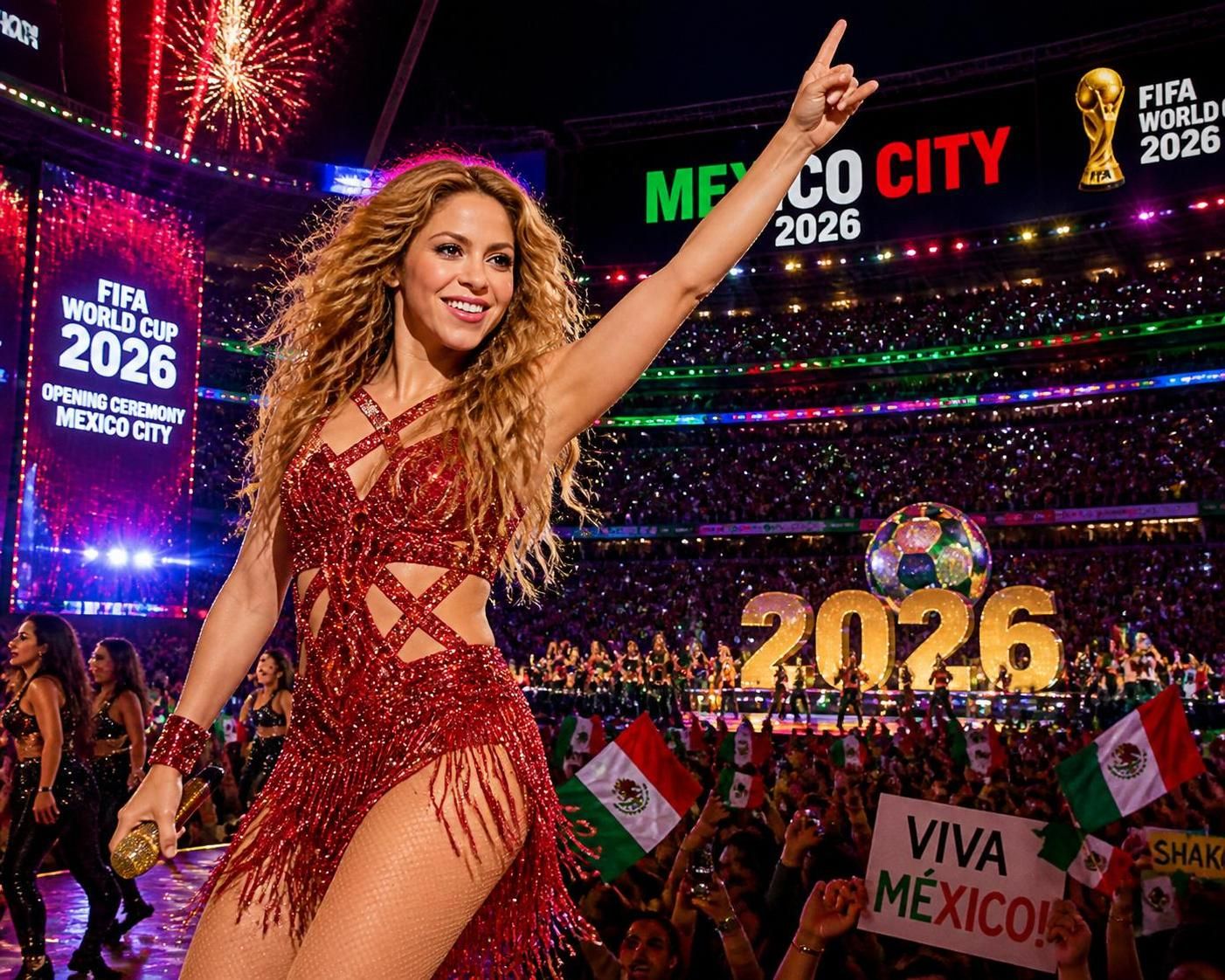
Mexico City’s Opening Ceremony: A Spectacle of Music and Soccer Heritage
Marking the first of three spectacular opening ceremonies, Mexico City’s event delivered a potent blend of history and contemporary flair. As Shakira took center stage, performing “Dai Dai,” the tournament’s official song, she reconnected audiences with the rich cultural tapestry of the host nation. This ceremony, unfolding at the iconic Estadio Azteca, not only heralded the kickoff match between Mexico and South Africa but also paid homage to the stadium’s legacy as a unique World Cup venue through three decades.
The match itself evoked echoes of the 2010 World Cup, with Mexico holding home advantage against the same South African team they previously drew 1-1. The presence of international stars alongside Mexican veterans created a narrative tapestry that tied past tournaments to this new era. The event’s multi-faceted approach, combining high-level sport with compelling music performances, is an ambitious attempt to redefine the concept of an opening ceremony for a global tournament.
Toronto and Los Angeles: Cultural Pillars Strengthening the World Cup’s Global Impact
Following Mexico City’s dynamic launch, Toronto and Los Angeles offered their versions of celebratory ceremonies that reflected local cultural identities and the evolving spirit of the World Cup. The revamped BMO Field became a focal point for Canadian pride as artists like Alanis Morissette and Michael Bublé provided a distinctly Canadian soundtrack to the opening match against Bosnia and Herzegovina. The rise in stadium capacity to 45,000 reflects a determined ambition to make a local impact with global reverberations.
In Los Angeles, the hosts embraced the full spectrum of contemporary music with performances by Katy Perry and other international stars like Future and Anitta. The event epitomized the eclectic cultural composition of the United States, enhancing the narrative that the FIFA World Cup is not merely a soccer tournament, but a platform where global cultures and sports coalesce in spectacular fashion. The U.S. match against Paraguay was a symbolic occasion, marking a rare World Cup home game since 1994, accompanied by brand-new kits inspired by historic designs.
The strategic scheduling of three ceremonies across host nations underscores a broader, more inclusive philosophy aimed at elevating fan engagement and delivering a series of unforgettable moments before the tournament proper intensifies.