
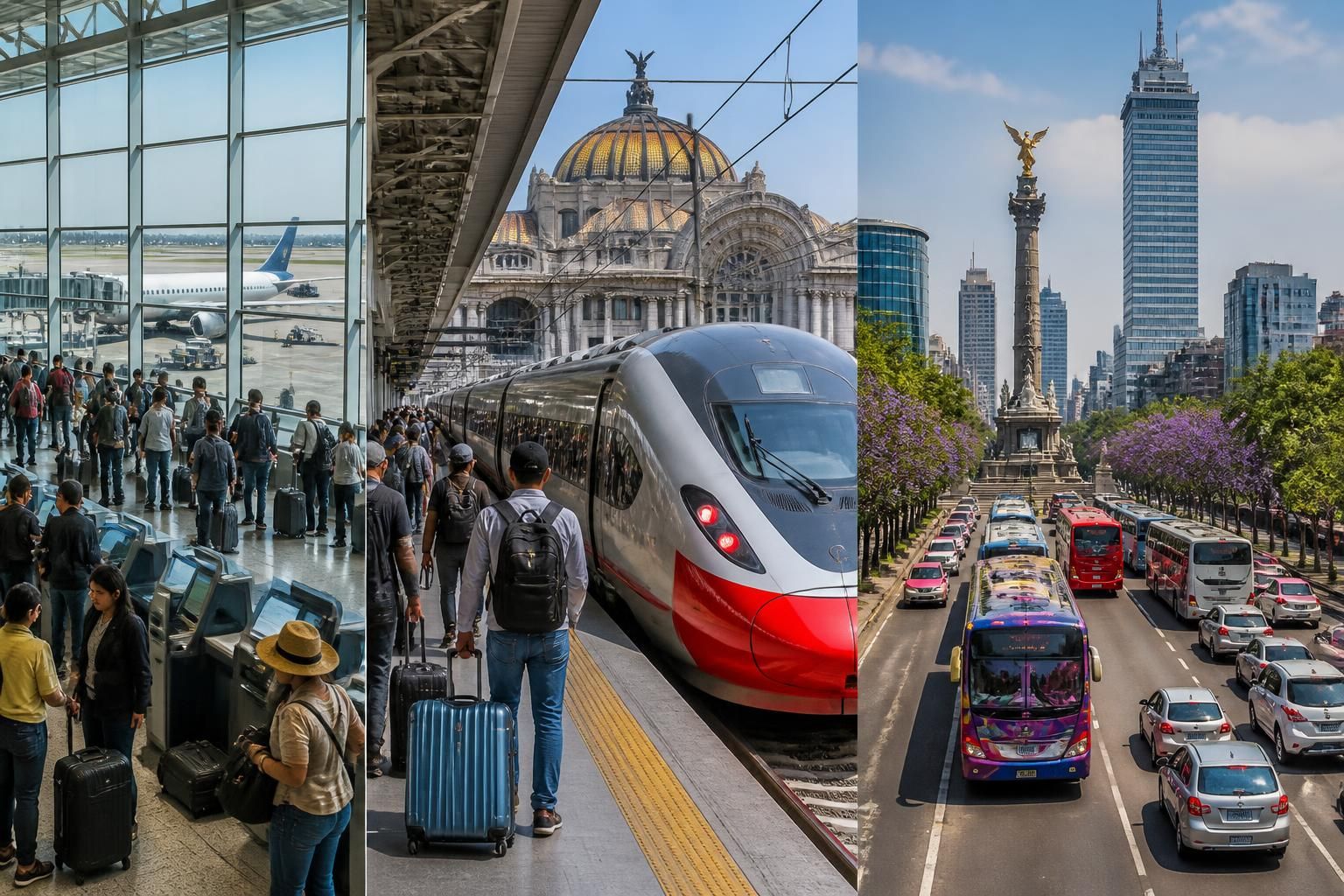
As the 2026 FIFA World Cup prepares to launch its historic opening match at Mexico City’s legendary Estadio Azteca, fans worldwide are gearing up to immerse themselves in this epic sporting spectacle. Mexico City, a sprawling metropolis and cultural heart of the country, plays a pivotal role not only by hosting the tournament’s kickoff on June 8 but also by accommodating multiple matches throughout the competition. With an anticipated attendance soaring past 5 million visitors, organizing your trip demands savvy travel planning—especially given the challenges of navigating one of the world’s largest cities during such a major event. From securing flights and understanding airport transfers to mastering the labyrinth of public transportation and choosing the best accommodation, our comprehensive guide offers essential travel tips and transport options to make your World Cup experience as seamless as it is unforgettable.
✔️ Flying into the well-connected Aeropuerto Internacional Benito Juárez, just minutes east of downtown, offers quick access to popular neighborhoods like Polanco and Roma.
✔️ Advanced accommodation booking is critical, with hotspots like Condesa and Polanco providing a blend of luxury and vibrant local culture.
✔️ While Estadio Azteca’s southern location means matches are not in the touristic core, public transit links—including Metro Line 1 and the Tren Ligero light rail—keep fans well-connected.
✔️ Car rentals are generally unnecessary; Mexico City is investing billions into enhancing public transport efficiency, including electrified buses and cable cars, to accommodate World Cup crowds.
✔️ Prepare for heavy traffic on matchdays by allowing extra travel time or opting for early arrivals to enjoy the local gastronomy near stadium venues.
Flying to Mexico City for the 2026 FIFA World Cup: What You Need to Know About Airport Transfers and Flights
Landing in Mexico City’s Aeropuerto Internacional Benito Juárez (MEX) places you mere kilometers from downtown hubs ideal for World Cup visitors. This airport ranks among the busiest in Latin America, expertly catering to a surge of inbound football fans throughout the tournament. However, navigating from the airport with luggage can be tricky on public transit like Metro Line 5, prompting many to prefer pre-booked taxi services or ride-hailing apps such as Uber or DiDi. Booking your airport transfers inside the terminal ensures safety and reliable pricing, sparing you from last-minute hassles. For multi-leg trips or complex itineraries, leveraging tech-savvy platforms that specialize in combining flights—often uncovering unique connections—can unlock better deals on flights to Mexico City. This strategic foresight becomes even more vital considering the volume of visitors expected around matchdays and the unavoidable congestion surrounding such a major event.
Mastering Public Transportation and Event Transportation in Mexico City’s Maze
Mexico City stands out for its robust and cost-effective public transportation network, which will be heavily relied upon during the World Cup. The extensive Metro system, boasting 12 lines, is complemented by a rapid bus service operating on dedicated lanes to circumvent heavy traffic. Phasing out reliance on private cars during this period, the city is channeling massive investments—over 23 billion pesos—into upgrading trains, stations, and expanding electromobility options like trolleybuses and cable cars linking to Estadio Azteca. On matchdays, expect packed trains and longer wait times, so arriving early or preparing for crowds becomes part of the game plan. Travellers can tap into the Metro’s integrated mobility card, a rechargeable ticket that works across all public transit modes, offering affordability with fares as low as a few pesos. Embracing these transport options not only cuts costs but also sidesteps the notorious Mexico City traffic jams, turning getting there into an adventure in itself.
Choosing Where to Stay and Navigating the Stadium Area
While Estadio Azteca is nestled in the city’s southern part, the must-visit neighborhoods for visitors extend much further afield. Polanco shines as the luxe quarter with upscale shopping and dining, while Condesa and Roma Norte offer hip, bohemian vibes with thriving nightlife and gorgeous tree-lined streets. Coyoacán captivates with its artistic, village-like charm, home to iconic cultural spots. These areas typically sit between 16 to 20 kilometers from the stadium, translating to a 30-45 minute ride in ordinary traffic. However, on matchdays, journey times soar—an inconvenient reality that underscores the importance of travel planning. Fans craving proximity to the stadium might opt for accommodations nearby to minimize commute, yet those eager to soak in Mexico City’s vibrant culture will find rich experiences within these central districts. Budget smart, book early, and carve out time to sample the city’s culinary highlights, perhaps even embarking on a street food bike tour to merge sightseeing with authentic flavors.
Alternative Transport and Ride-Share Insights During the World Cup
Although rideshare platforms like Uber, DiDi, and Cabify are reliable, their fares are expected to surge on matchdays, pushing many fans towards public options. For those groups or travelers seeking more comfort, private long-distance car services offer a premium solution to bypass crowded buses and exhausting road voyages, especially when arriving from cities like Guadalajara or Monterrey. Yet, realistically for moving within the dynamics of Mexico City itself, the combination of Metro, rapid buses, and the new light rail line remain the most effective choices. Being smart with timing—either by setting off hours early or post-game once crowds dissipate—can help dodge the heaviest congestion and make your commute smoother.
Mexico City’s preparations for the 2026 FIFA World Cup clearly show a blend of heritage and modern planning aimed at easing traveler experiences, a monumental yet crucial task for managing one of football’s largest fan congregations. By utilizing the city’s improved public transport, understanding the best stay areas, and anticipating the realities of high-traffic event travel, fans will position themselves to enjoy the spectacle comfortably and efficiently. Don’t forget to explore destinations like World Cup host cities and learn about key team favorites from the World Cup teams to round out your ultimate football travel experience.