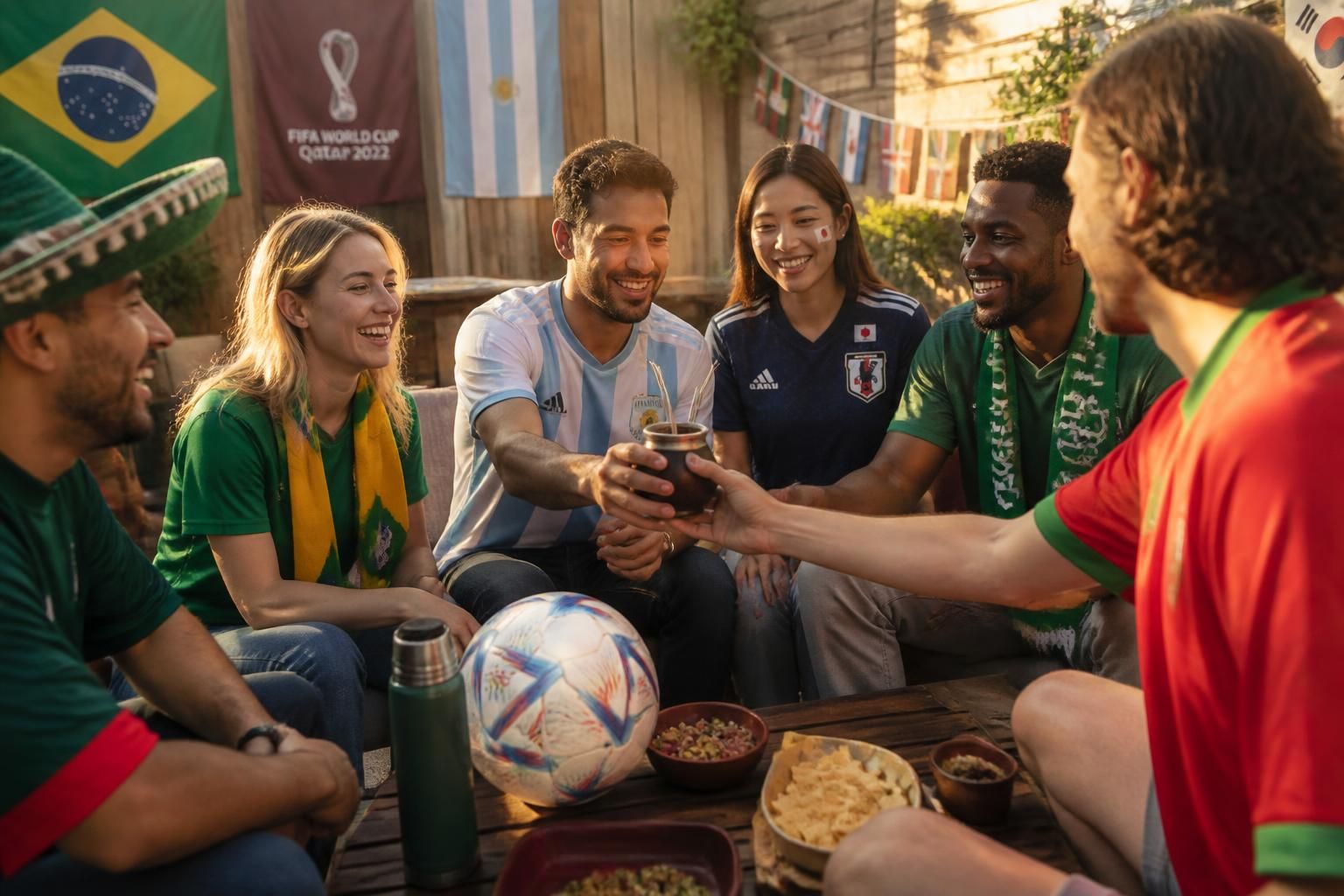
At the 2026 World Cup, beyond the roar of the crowd and the fervor on the pitch, a time-honored tradition quietly weaves a powerful narrative of connection among global fans: the sharing of Yerba Mate. This revered South American beverage, enjoyed for centuries but catapulted onto the world stage by icons like Lionel Messi, has transcended its roots to become a heartwarming ritual that unites spectators from disparate cultures under a common spirit of community and celebration. The drink’s presence at matches stretches far beyond mere refreshment; it is a tradition that evokes nostalgia and camaraderie, a shared bond uniting fans in a unique cultural embrace.
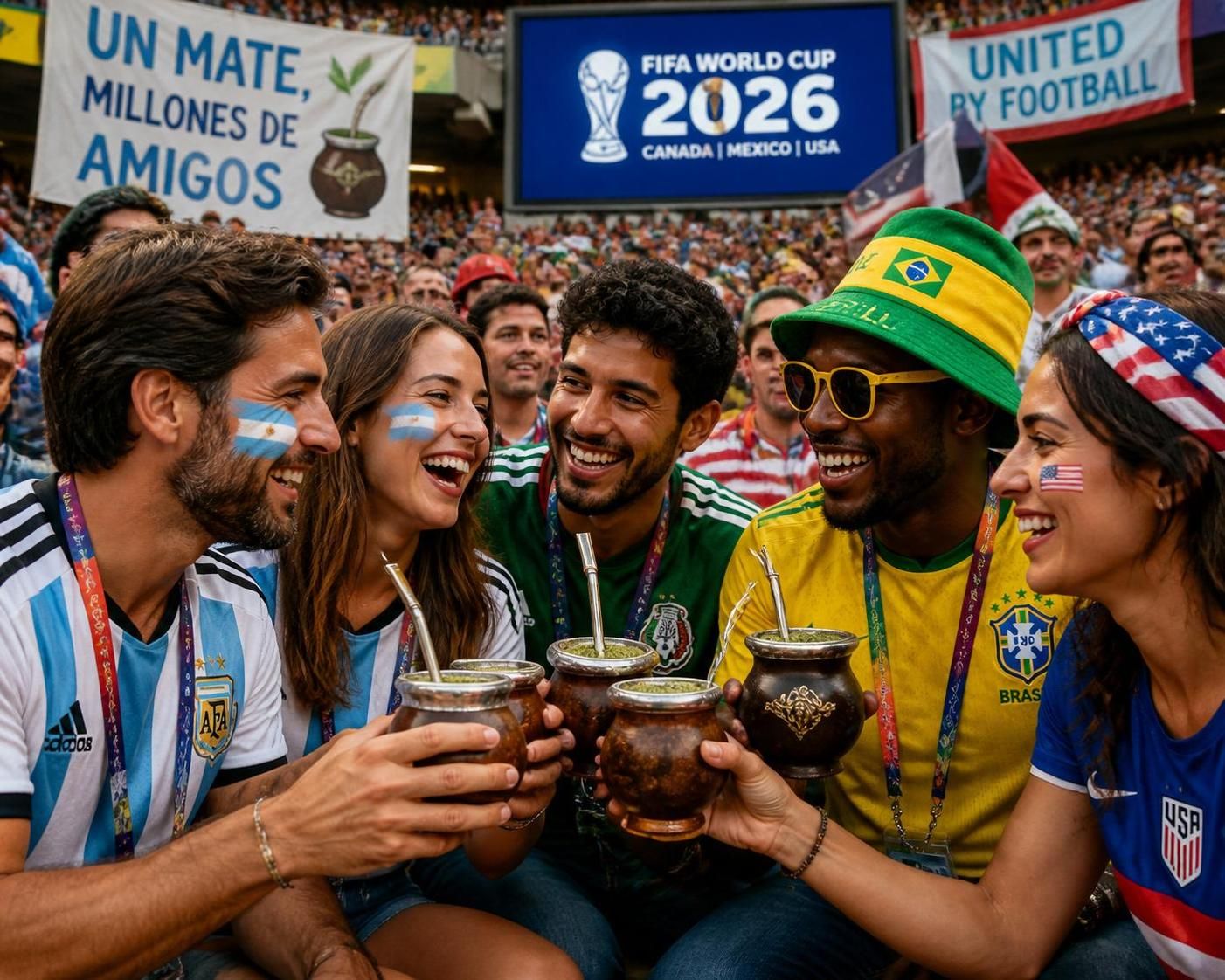
In cities like Kansas City, where the Argentine team and their fervent supporters converge, yerba mate flows freely as an emblem of connection. Fans sport the iconic sky blue-and-white jerseys and cluster around cafés like Cafe Corazon, eagerly seeking the earthy, slightly smoky sip that brings comfort and a taste of home. This beverage, steeped in Indigenous and gaucho heritage, becomes a vessel bridging generations and geographies. As fans pass the mate cup — gourd wrapped in leather with a metal bombilla straw — a silent pact forms, weaving individual stories into the rich tapestry of World Cup fervor. Even for many non-Argentine fans, the allure of sharing yerba mate is a testament to the power of sport to cultivate cross-cultural friendships.
Yerba Mate’s rise as a cultural celebration at the World Cup is also reflected in its global adaptations. From Paraguay to Brazil, different preparation styles signal regional identity, while in the U.S., Middle Eastern communities have long embraced mate, blending tradition with modern twists. In contrast, the canned, fruit-flavored versions popular in America are often met with skepticism by purists who argue that the true essence of mate lies in its communal sharing and authentic preparation. This underscores yerba mate’s role not just as a beverage but as a symbol of ritual — a gesture of trust, friendship, and belonging passed sip by sip among fans.
The Tradition of Yerba Mate: A Heartwarming Ritual at World Cup Gatherings
The ritual of sharing yerba mate at World Cup matches represents more than the drink itself; it embodies a heartwarming exchange that deepens bonds among fans. Anthropologists trace the practice back to Indigenous peoples and South American gauchos, emphasizing how it nurtures relationships through communal participation. When fans offer their mate gourd to fellow supporters, they are not only offering a drink but extending an invitation into a shared experience, reinforcing community ties amid the electrifying atmosphere of the tournament.
In cities hosting matches, the sight of gatherings passing around the mate cup illustrates how deeply woven this habit has become into the culture surrounding international football. From Kansas City to soccer-crazed enclaves worldwide, yerba mate functions as a cultural bridge, fostering inclusion and mutual respect. Its seasoning – the subtle smokiness mixed with earthy, grassy flavors – seems to temper the intense emotions of the game, providing a calming yet invigorating backdrop to moments of joy and suspense.
Yerba Mate as a Symbol of Connection Among Fans
More than a drink, yerba mate is a symbol of connection uniting diverse fan bases during the global spectacle of the World Cup. The beverage’s widespread popularity among iconic players such as Lionel Messi and Luis Suarez has helped cement its status as an emblem of sporting culture. Messi’s famous 2022 photograph, holding the mate cup and the World Cup trophy, immortalized a gesture that is profoundly heartwarming in its simplicity — acknowledging roots while celebrating victory.
In addition to sporting heroes, everyday fans partake in sharing mate, breaking barriers and nurturing friendships. The drink’s ritualistic nature transforms public spaces near stadiums and fan zones into hubs of conviviality where stories are swapped, cheers are shared, and a collective passion for football is reaffirmed. This pattern of exchange highlights the extraordinary capacity of tradition to transcend language and nationality, drawing people into a collective state of celebration.
From Heritage to Global Phenomenon: Yerba Mate’s Cultural Journey at the World Cup
Yerba mate’s ascent from a regional South American tradition to a global symbol of fan unity at the World Cup is a compelling narrative of cultural diffusion and adaptation. Indigenous communities and gauchos originally crafted the foundations of this enduring practice, but over the decades, distinct variations evolved across countries such as Paraguay, Uruguay, Argentina, and Brazil—each region flaunting unique vessels and preparation methods that showcase local identity.
Interestingly, the drink also found a secondary homeland among Middle Eastern diaspora communities in the United States, which helped popularize mate in U.S. cities well before the World Cup’s hype. Today, its presence in supermarkets and cafes from Missouri to California includes both traditional and modernized interpretations. However, purists emphasize the social essence — the sharing of a single mate cup — as the cornerstone of its cultural significance, distinguishing authentic mate from mass-market energy drinks. This interplay between heritage and contemporary culture enriches the World Cup experience for fans, elevating yerba mate beyond mere refreshment to an emblematic celebration of culture.
Ultimately, yerba mate’s enduring appeal lies in its ability to connect people through ritual. Whether passing the gourd among friends or strangers, each sip at World Cup events is a reaffirmation of collective identity, a toast to friendship, and a moment of shared joy.