The 2026 World Cup, spanning across North America’s three nations, delivered more than just epic football moments; it unleashed a global ripple effect on sleep patterns, stress levels, and physical activity. Fans worldwide found their circadian rhythms disrupted as late-night matches pushed bedtimes well beyond usual hours, while the thrill and tension of high-stakes games amplified physiological stress. Using extensive data from Oura Ring users, researchers have unraveled how such a massive sports event challenges not only the public health landscape but also exposes the fragile balance between nighttime rest and daytime vigor amid intense social engagement. From Norway’s heartbreak-induced sleep deficits to Brazil’s surge in celebratory movement, the 2026 tournament illuminated the complex interplay between fan behavior and bodily resilience during landmark sports events.
In brief: The 2026 World Cup caused significant global shifts in sleep and stress metrics, with late kickoffs extending average bedtimes by over two hours in some countries. Physiological stress spiked on match days regardless of outcomes, while ongoing tournament progression eroded recovery quality, exemplified by Norway’s quarterfinal exit. Physical activity levels surged on game days, highlighting how excitement translates into movement beyond the living room couch. These patterns underscore the broader public health impact of major sports spectacles and pose intriguing questions about managing circadian disruption and jet lag amid global fan frenzy.
How the 2026 World Cup Reshaped Global Sleep Patterns and Stress Responses
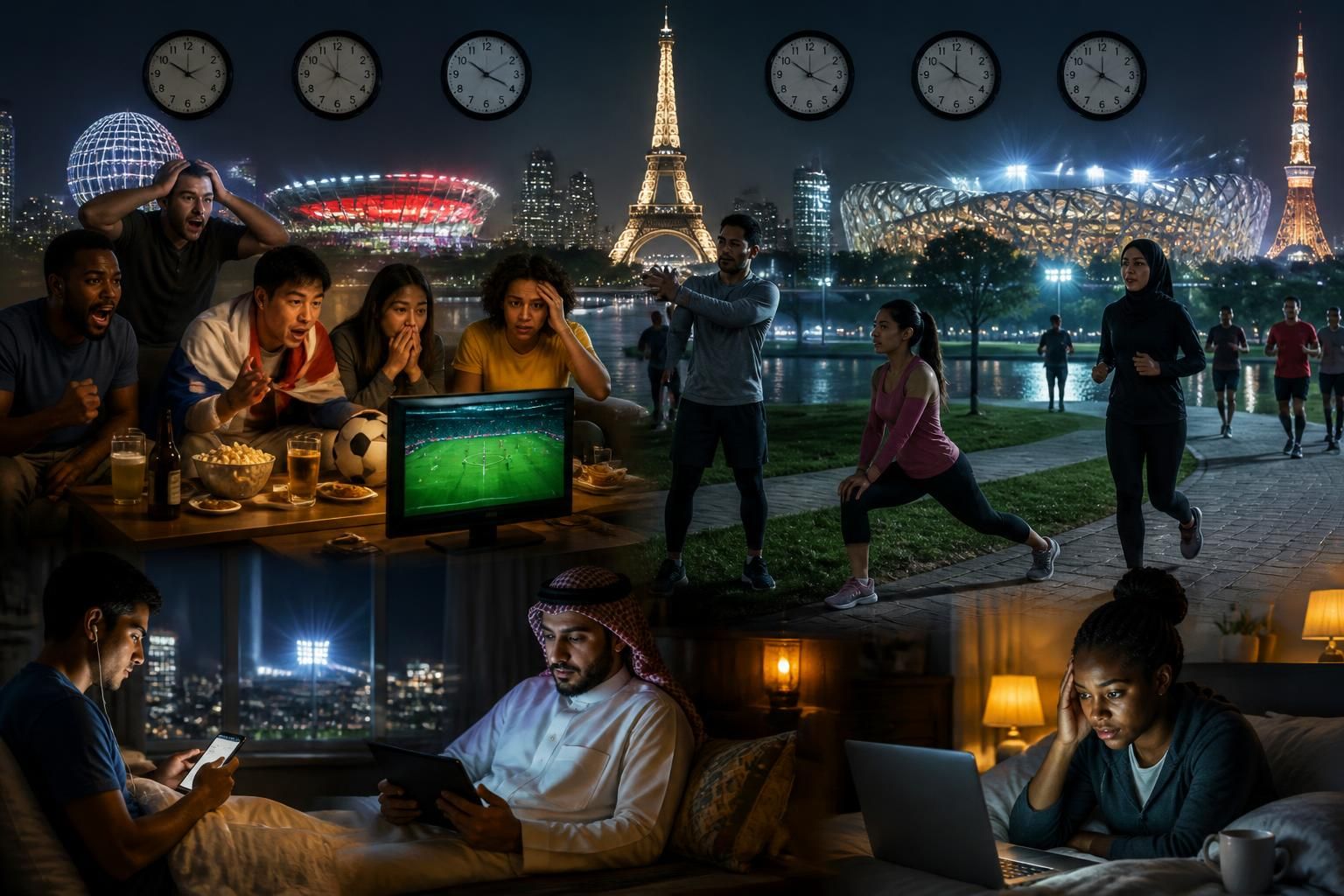
The 2026 World Cup was more than a celebration of football excellence; it orchestrated a profound recalibration of fans’ biological clocks. Late-night match schedules, aligned primarily for prime North American broadcast windows, meant that millions worldwide found themselves extending wakefulness deep into the early morning. For instance, Norwegian fans, grappling with the sting of a quarterfinal defeat, averaged bedtimes as late as 2:20 a.m.—an eye-opening 170-minute delay compared to their usual sleep habits. Argentina, riding the emotional rollercoaster of a semifinal showdown versus England, saw an average bedtime delay of 133 minutes. Even powerhouse nations like Spain and England experienced measurable bedtime shifts.
Such disruptions strain the circadian rhythm, a finely tuned internal clock critical for regulating sleep-wake cycles and overall health. This desynchronization comes with tangible consequences; the body’s natural ability to recover diminishes, undermining resilience against the stresses of tournament fervor. Moreover, this temporal misalignment is further complicated by jet lag issues for players and some traveling supporters, compounding the challenge of maintaining optimal physical and mental condition throughout this sprawling event.
Physiological Markers Reveal Stress Peaks on Match Days
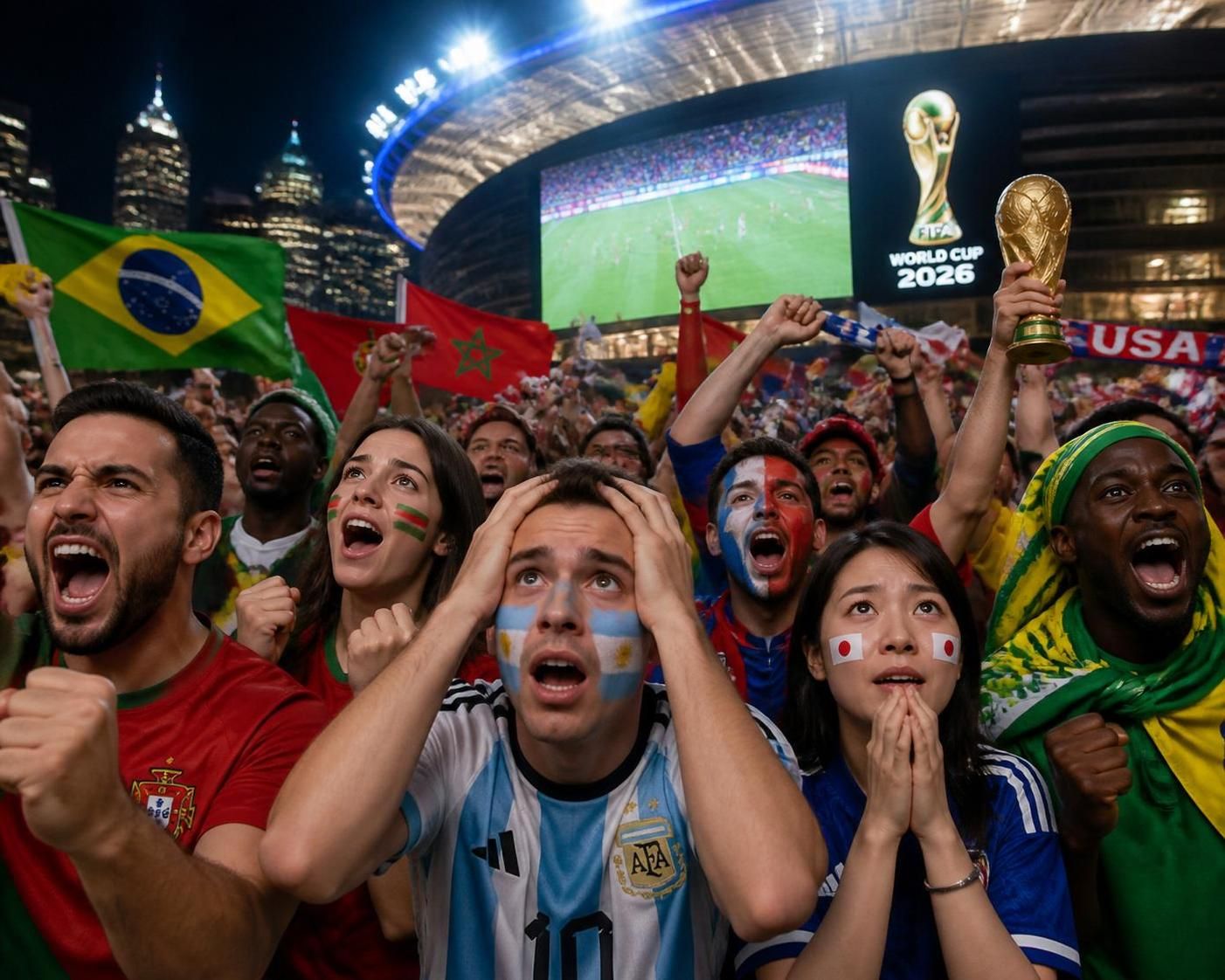
Football’s emotional highs and lows generate a palpable surge in the stress levels among fans, as confirmed by Oura’s biometric tracking tools. Regardless of whether teams triumphed or suffered defeats, the duration and intensity of stress consistently rose during game days. Oura data unveiled these spikes in what has been dubbed the “football fever effect,” where the body’s autonomic nervous system swings into sympathetic overdrive as anticipation and adrenaline flood the system.
The aftermath compounds the toll: the “heartbreak hangover” phenomenon vividly manifested in Norway’s quarterfinal exit, where following the loss, Norwegian fans’ sleep quality dropped by nearly 9%, accompanied by a 12% dip in heart rate variability (HRV)—a key marker of nervous system strain—and a 4% rise in resting heart rate. Their overall readiness to face daily demands plunged by 10% the next morning, showcasing how an emotional event translates into a measurable physical penalty.
From Couch to Celebration: How Fan Activity Surged During the Tournament
While much can be made of the late hours spent watching matches, the 2026 event also revealed significant upticks in physical activity on game days. Fans’ bodies responded to the adrenaline rush and the communal excitement with increased movement, whether pacing nervously, celebrating victories, or engaging in match-related festivities. In multiple countries examined, daily step counts rose by as much as 25%, underscoring that global sports events infuse vitality beyond the sedentary stereotype of television spectatorship.
Brazilian supporters exemplified this effect with a 23% increase in steps on the opening match day, while Norwegians, despite their eventual heartbreak, boosted step counts by 25% during their quarterfinal. Even nations like Colombia and Switzerland reported over 20% rises. The surge in movement, reflecting both physiological arousal and social interaction, highlights how sports events reshape fan behavior in ways that ripple outwards into public health considerations.
Managing the Toll: Strategies for Recovery After Tournament Excitement
Adopting sensible routines post-tournament action becomes paramount to counterbalance the taxing combination of late nights and heightened stress. Experts urge fans to prioritize winding down with screen-free periods to ease mind and body tension before bed. Hydration remains crucial as elevated heart rates are frequently exacerbated by celebratory alcohol or salty snacks common during viewing parties.
Listening to one’s physiological signals is vital, especially when biometric data like HRV flags potential overload. Taking an “easy day” after particularly charged matches allows recovery systems to reset, mitigating long-term impacts on health. These strategies form an essential toolkit for anyone deeply invested in the dramatic narratives unfolding during the World Cup, as they navigate the fine line between passion and personal well-being.
As this global sporting spectacle unfolds across nations and time zones, it not only etches unforgettable moments into football lore but also redefines how socially shared experiences can disrupt fundamental biological processes. A detailed investigation into these match schedules and their impact on health underscores the depth of the challenge, inviting broader reflection on public health in the age of global sports events.