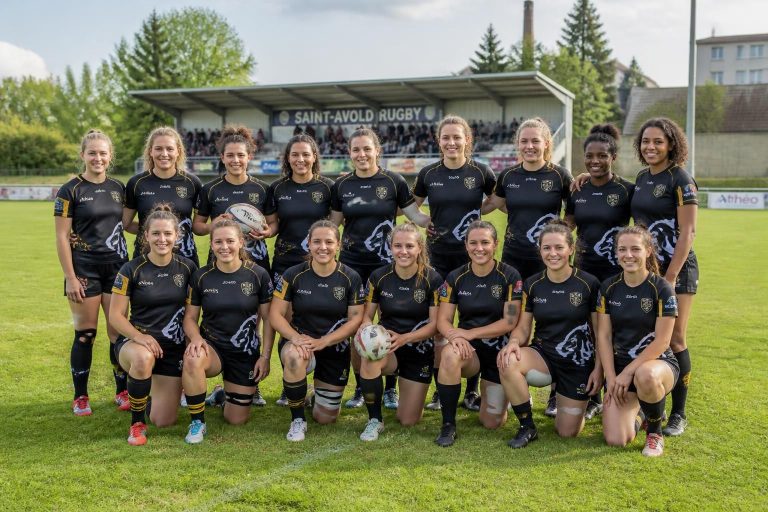
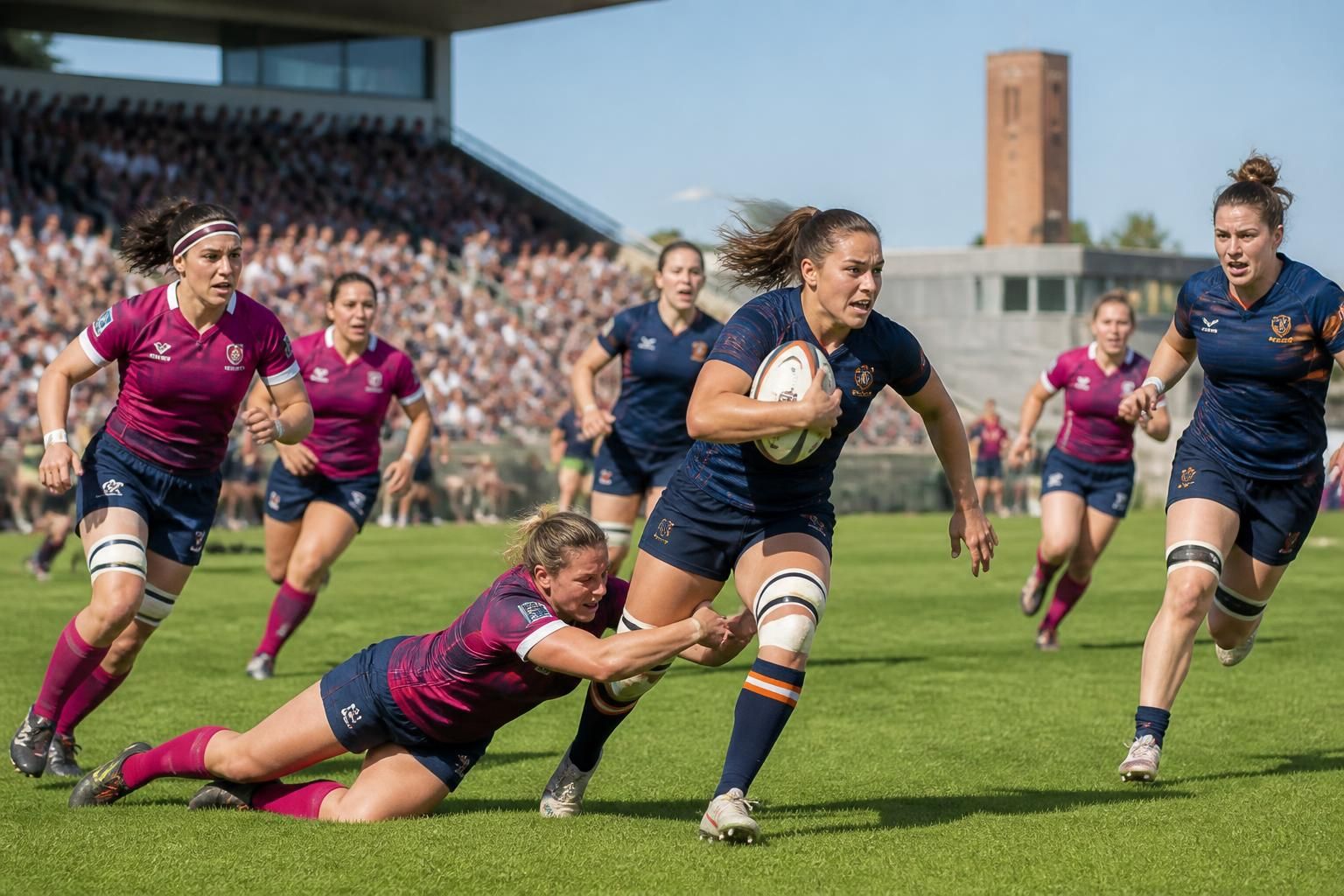
The dawn of a new era in women’s rugby is upon us as Blagnac Rugby Féminin unveils its inaugural European Master tournament, set to ignite the sport’s landscape this September. This unprecedented competition gathers elite clubs from across Europe, including teams from Bristol and Dublin, with Blagnac proudly representing France on this continental stage. The tournament promises high-stakes clashes in a knockout format, culminating in a thrilling final that aims to captivate fans and amplify the momentum behind female athletes in rugby. Beyond the game, the event is designed as a cultural exchange hub, fostering camaraderie and showcasing the host city’s heritage, creating a holistic celebration of sports innovation and community.
Key highlights:
- 🌟 Blagnac spearheads the first-ever European club competition for women’s rugby.
- 🌍 Four teams set to compete in a high-impact knockout format starting early September.
- 🏉 The tournament reflects the growing popularity and professionalization of women’s rugby across Europe.
- 🏛️ Strong institutional support elevates the event, blending sport with cultural exchanges.
- ⚡ An innovative platform that could change the landscape of European rugby competitions for female athletes.
Blagnac’s European Master: A Game-Changer for Women’s Rugby
The sporting world is witnessing a pivotal breakthrough as Blagnac takes the lead in launching the first-ever European Master tournament dedicated to women’s rugby clubs. This move shatters conventional boundaries, introducing a high-caliber event that unites clubs from diverse rugby cultures—including established powerhouses like Bristol and Dublin, alongside a select Latin team from Spain or Italy. The tournament’s knockout stage, scheduled for the first week of September, will feature two explosive semifinal clashes, with victors meeting in a decisive final hosted in Blagnac.
This tournament stands as a bold statement amidst a surge in viewership and attendance for women’s rugby, mirroring trends observed in other formats like the Women’s Six Nations. Organizers are banking on this enthusiasm, seeking to capitalize on the sport’s growing mainstream appeal. Notably, the women’s game has seen rapid professionalization, highlighted by increased media coverage and sponsorship, paving the way for events such as this European Master.
Institutional Backing and the Broader Impact Beyond Rugby
Support for this groundbreaking event extends far beyond the rugby pitch. Backed 100% by local and regional authorities, including the energetic mayor of Blagnac, Joseph Carles, the tournament embodies the city’s spirit of audacity and innovation. The event isn’t solely focused on competition; it also serves as a platform for cultural exchange, community engagement, and inspiration for young athletes through organized visits and interactions with local heritage.
This multifaceted approach aims to not only elevate the sport within France but also position Blagnac—and by extension European women’s rugby—at the forefront of sports innovation. As mentioned by co-president Marie Rolland, the event capitalizes on the unprecedented momentum achieved by women’s rugby, ensuring its presence as more than just a fleeting phenomenon.
Trailblazing Female Athletes and their Role in Shaping the Future
The tournament also serves as a beacon for female athletes who have already made significant strides in rugby’s evolution. Marjorie Mayans, former international and club ambassador, reflects on the progress since her early career, emphasizing the profound transformation the sport has undergone: from relative obscurity to record-breaking audience numbers and intensified professional standards. This championship provides a crucial platform for players to showcase their talents on a European scale, inspiring the next generation of rugby women.
Blagnac’s ambitious initiative marks a tangible step towards closing the gap in exposure and competitiveness between men’s and women’s rugby. It also opens up avenues for closer analysis and discussion about the needs of the game, such as those highlighted in debates about adapting game equipment to optimize performance—a theme explored in rugby circles, like the discussion around smaller balls for women’s rugby.