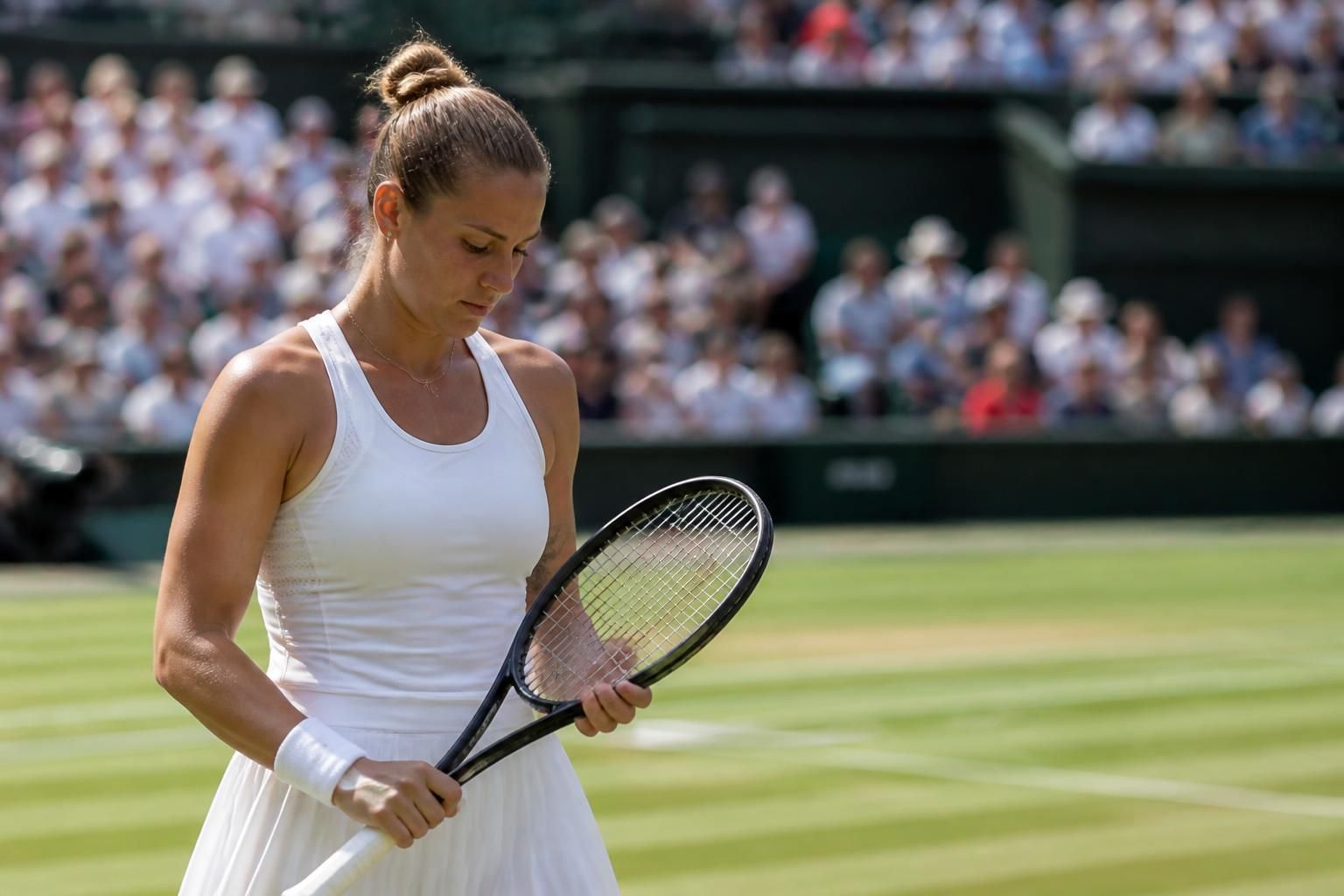
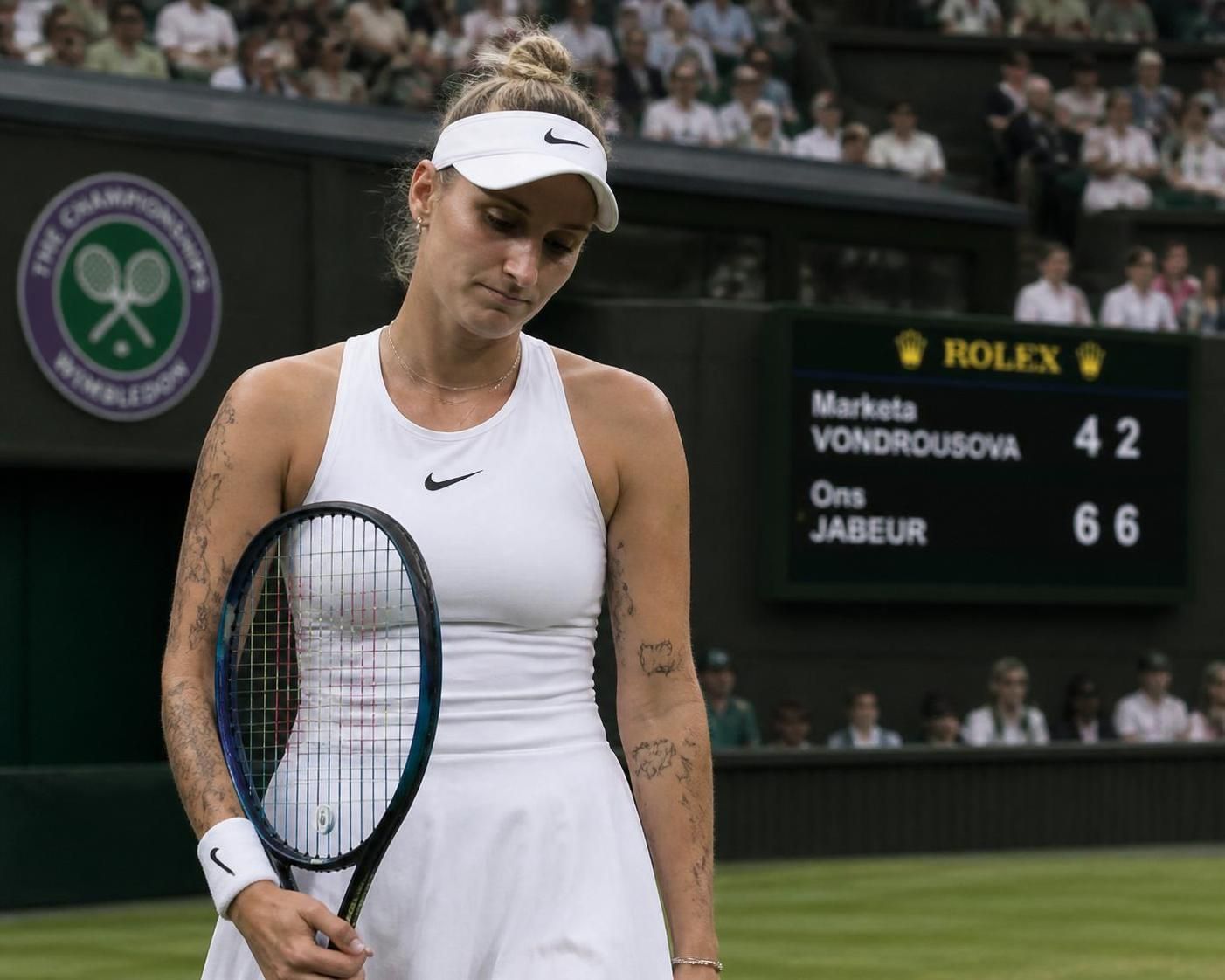
Marketa Vondrousova, 2023 Wimbledon champion and former top-ten player, has been handed a four-year ban from professional tennis after refusing to comply with an out-of-competition anti-doping test in December 2025. The decision, announced by the International Tennis Integrity Agency (ITIA), reflects the harshest penalty available under current anti-doping rules, underscoring the sport’s uncompromising stance against violations. Vondrousova, who stunned the tennis world by capturing Wimbledon while ranked 42nd globally, now faces a suspension lasting until June 2030—effectively sidelining her through what could have been peak years of her career.
Her refusal was officially recorded after a late-evening visit by doping control officers at her home, an action she attributed to mental stress and health concerns, along with fears about the circumstances surrounding the test. Despite these claims, the independent tribunal found no compelling justification, emphasizing that a refusal equates to a positive doping violation. This ruling stands out in a tennis landscape recently marred by other high-profile doping controversies involving players like Jannik Sinner, Simona Halep, and Iga Swiatek, though none faced suspensions of this length.
Vondrousova’s reaction on social media professed innocence, highlighting a subsequent negative test. Yet, the damage to her career trajectory is indelible, dropping her ranking significantly since her 2023 Wimbledon triumph and limiting her appearances on the WTA circuit. The ITIA’s firm stance sends a clear message about zero tolerance for test refusals, aiming to preserve the sport’s integrity amid heightened scrutiny and public skepticism.
Implications of Vondrousova’s Four-Year Ban on Professional Tennis
This suspension of a Wimbledon champion for refusing an anti-doping test is a stark reminder of the stringent measures tennis authorities are willing to enforce. The ITIA’s explicit declaration that refusal carries the same weight as a positive test sets a precedent aimed at deterring similar actions. Given the rarity of such refusals, as noted by ITIA officials, the severity of the penalty amplifies the scrutiny on athletes’ accountability.
Marketa Vondrousova’s case also highlights the tension between athlete welfare and anti-doping enforcement. The player cited mental health struggles and procedural concerns as reasons behind her refusal. While these factors reflect growing awareness about the pressures athletes face, they fall short of justifying dismissal of the critical role these tests play in maintaining fairness. It’s a delicate balancing act, but the ITIA’s ruling clearly prioritizes the integrity of competitive tennis over individual circumstances.
Contextualizing the Suspension Among Recent Doping Incidents in Tennis
Over the past few years, tennis has grappled with multiple doping allegations involving top-ranked players. However, none of these cases have resulted in a comparable ban length for refusal or evasion. Vondrousova’s suspension thus stands out, pushing the boundaries of anti-doping enforcement in the sport. This suggests an escalation in disciplinary responses, potentially impacting how future cases are handled.
While tennis is not unique in facing doping challenges—disciplinary actions have also marked other sports like rugby and MMA, as illustrated in discussions about rugby doping sanctions and amateur MMA doping cases—the sport’s governing bodies appear determined to lead with firm regulations. The long-term effects on player behavior, tournament dynamics, and ranking structures are worth monitoring closely.
Mental Health and Anti-Doping: The Difficult Balance
Vondrousova’s explanation involving mental stress and health issues opens a necessary dialogue on the psychological pressures tennis players endure. These challenges are often underestimated within the regulatory framework, yet her ban spotlights the limits of mental health arguments in anti-doping contexts. Players must navigate rigorous testing within a high-stakes environment, where refusal carries significant consequences regardless of personal circumstances.
This case fuels the ongoing debate on how anti-doping agencies can better accommodate mental health without compromising rigorous standards. The ITIA has maintained strict adherence to its protocols, reiterating that doping controls can occur at nearly any hour, reflecting the unpredictability essential to catch violations. Balancing athlete welfare with fairness and sport integrity remains an evolving challenge.