
The Tennessee Secondary School Athletic Association (TSSAA) is about to usher in some notable changes for high school basketball, marking a significant shift in how the game is regulated and how competition is managed during state tournaments. After much deliberation, the TSSAA Board approved a phased implementation of a 35-second shot clock, which will first appear in select events before becoming a standard feature during regular and postseason games starting with the 2029-30 season. Alongside this, the board has embraced a move towards seeding the Division I state basketball tournaments based on RPI (Ratings Percentage Index), a system already utilized in soccer to make tournament matchups more competitive and fair. These decisions spotlight the association’s commitment to enhancing high school sports within Tennessee, aiming to balance tradition with modern game regulation improvements that affect the pace and strategy of basketball at this level.
Additionally, the board introduced administrative updates including new classification procedures based on enrollment data from the 2025-26 school year and mandatory recruitment training for all coaches. These measures are designed to tighten compliance and promote fairness across the sport. The upcoming seasons promise to be a testing ground as the implementation of the shot clock begins in holiday and summer competitions before fully integrating into all games, while tournament seeding using RPI rankings will start shaping brackets by the 2027-28 season. Despite the enthusiasm, some topics remain open, such as the potential elimination of third-place games at district tournaments, which will be revisited later this summer.
How the TSSAA’s Shot Clock Will Transform High School Basketball in Tennessee
Introducing a shot clock to high school basketball might seem overdue, especially as 32 states and the District of Columbia have already embraced this feature. Tennessee’s cautious approach—rolling out a 35-second shot clock initially in select competitions—reflects an understanding of the transition this change demands. The shot clock is expected to significantly accelerate the pace of the game, forcing teams to adopt more offensive urgency and reducing stalling tactics that often plague lower levels of play.
This phased approach allows coaches, players, and fans to gradually adjust before the shot clock becomes a fixture in regular and postseason competition starting with the 2029-30 school year. Early testing in the Hall of Champions games, holiday classics, and summer tournaments will provide valuable feedback to the board. Nevertheless, this change is already stirring debate among purists who worry that the traditional flow and strategy of high school basketball could be disrupted. Yet, the trend nationally leans toward positive reception, as many argue it ensures a consistent and energetic game experience that mirrors collegiate and professional basketball dynamics.
RPI Seeding: A Data-Driven Approach to Tournament Fairness and Excitement
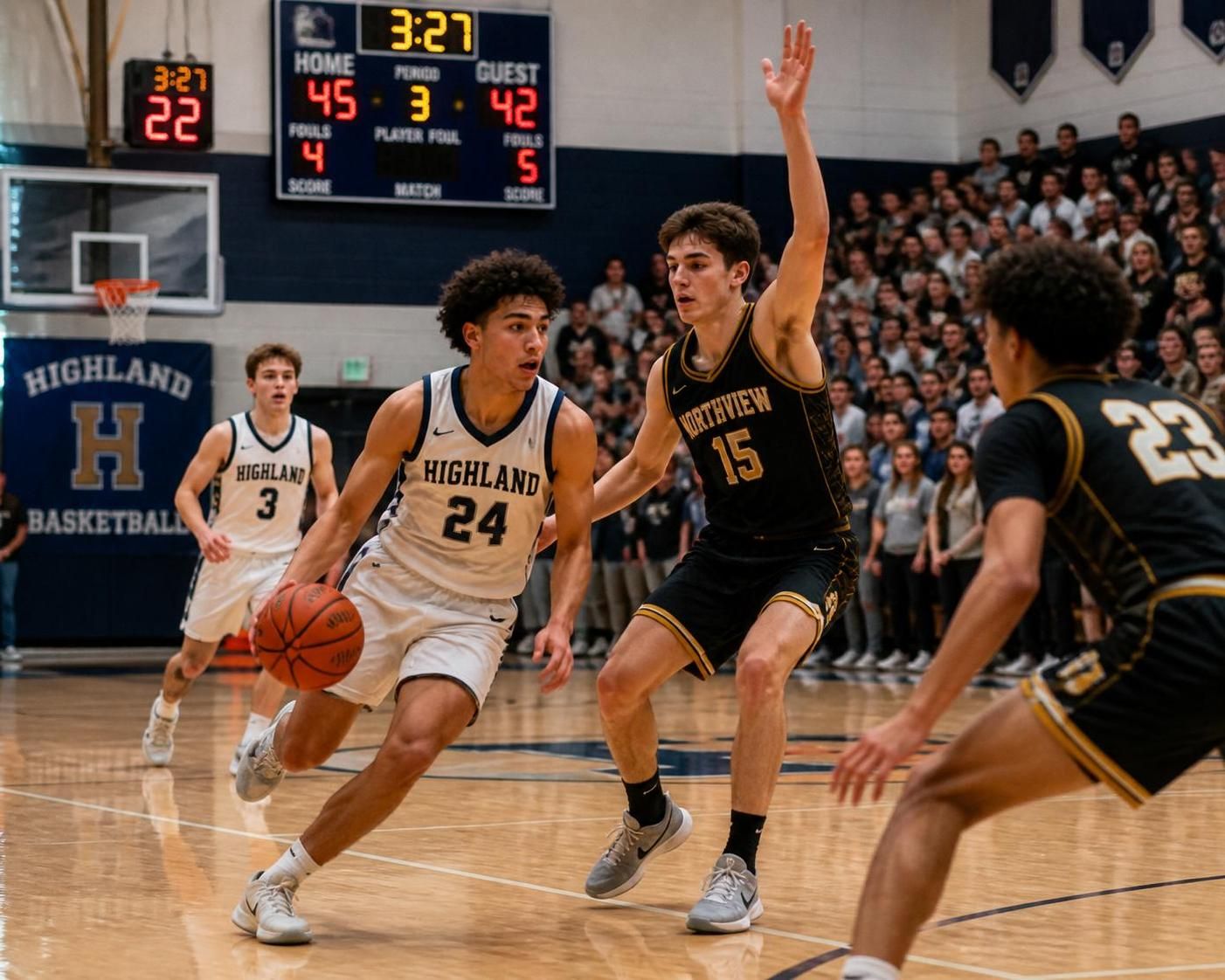
For years, tournament seeding in Tennessee’s Division I high school basketball has often relied on random draws or less sophisticated methods, sometimes resulting in unbalanced brackets and disappointing early matchups. The adoption of the RPI system to determine seedings represents a strategic pivot toward a more rational and competitive format.
The RPI ranks teams based on their winning percentage, their opponents’ winning percentage, and the winning percentage of those opponents’ opponents. It provides a statistical method that rewards consistent performance and strength of schedule, making sure that top-tier teams are appropriately seeded, and weaker teams have a fair shot without facing impossible early matchups.
Beginning with the 2027-28 season, fans and teams will likely notice more balanced and intriguing matchups that heighten competition intensity and produce tournament runs that are deserved rather than luck-based. This system also brings Tennessee high school basketball in line with other states and sports where RPI or similar rankings are standard, enhancing the integrity of high school sports and drawing increased attention to the state’s basketball tournaments.
Administrative Reforms and Compliance: What Coaches and Schools Need to Know
The TSSAA Board isn’t just focused on the on-court changes. Their recent meeting highlighted a range of administrative reforms geared toward improving classification accuracy and ensuring ethical conduct. Using the Average Daily Membership (ADM) figures from the 2025-26 school year for classifying Division I schools ensures that enrollment data reflects the most current realities for competition alignment through the 2027-29 cycle.
Moreover, all coaches statewide will now be required to complete a newly mandated TSSAA Recruiting Rule course through the NFHS Learn platform. This educational initiative aims to tighten the rubber on recruiting regulations, minimizing violations that have previously led to penalties and policy disputes. Schools also benefit from the allocation of $40,500 in grants dedicated to 27 programs recognized by the A.F. Bridges Sportsmanship Program, promoting positive culture alongside competitive excellence.
These measures indicate a comprehensive effort by the board to bolster fairness, transparency, and professionalism across Tennessee’s athletic programs.