
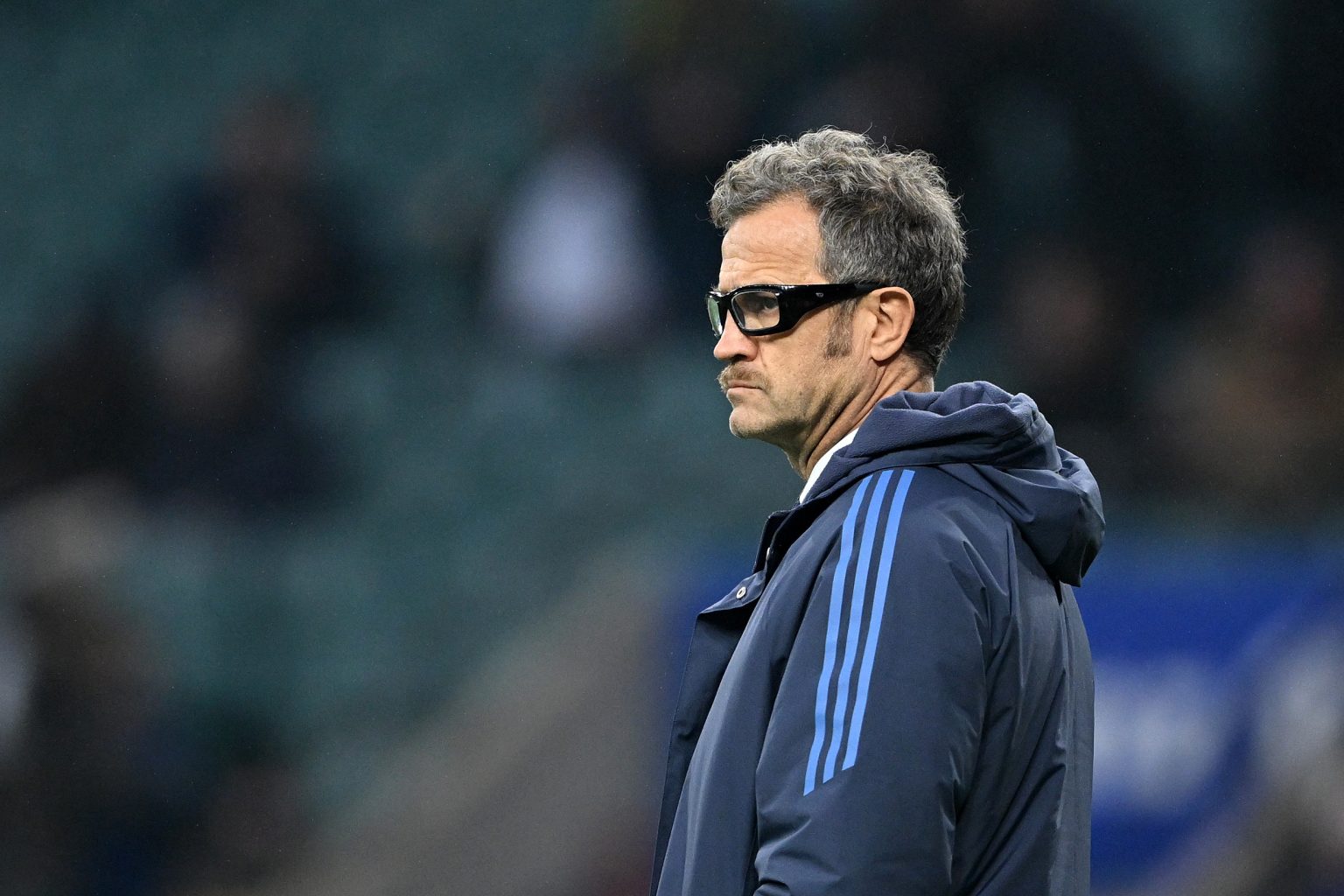
The recent showdown at Murrayfield saw France’s ambitious Grand Slam dreams come crashing down as Scotland outplayed the French side in a thrilling, high-scoring encounter that ended 50-40. Despite the loss, France keeps its grip on the championship race, now tied at the top with Scotland at 16 points. Fabien Galthié’s team showed glimpses of resilience late in the game, fighting hard to secure a bonus point, but the wider performance left plenty to be dissected. This defeat serves as a stern lesson in both team strategy and mental fortitude, highlighting the areas France must address if they want to reclaim glory in the coming fixtures.
Heading into the clash, France radiated confidence after three successive victories, eyes locked on their next big test against England. However, Scotland’s ferocity shattered the French rhythm, laying bare cracks that Galthié’s squad struggled to mask. The Scots’ relentless pressure and tactical opportunism resulted in a devastating seven tries, relentlessly testing France’s defensive mettle, which conceded more points than ever during Galthié’s tenure. It’s clear the French side must now engage in a thorough performance review and draw from this painful experience to fuel their recovery.
Fabien Galthié’s Tactical Breakdown and the Challenge of Digesting Disappointment in Rugby
Fabien Galthié did not mince words after the match. He acknowledged that France was overmatched for the majority of the game, with the team “in great difficulty for two-thirds of the match.” Yet, what stood out was the squad’s response during the final quarter, where they chased offensive and defensive bonus points vigorously, underscoring a commendable refusal to capitulate. This balance between resilience and accepting the present failure is critical in sports, particularly rugby, where momentum can shift in a heartbeat.
The head coach emphasized that while today’s disappointment stings, it’s crucial for the team to “swallow and digest” what happened, learning from it without letting it cloud their future performance. For Galthié, this loss is not the end but a painful stepping stone on the path toward ultimate victory. The mental aspect plays as big a role as the physical, especially when navigating the ups and downs of a high-stakes tournament. A meticulous match analysis reveals lessons in decision-making under pressure and the significance of maintaining defensive consistency against high-powered opposition like Scotland.
Pressure Points Revealed: How Scotland’s Attack Breakdown Exposed France’s Flaws
The Scottish side demonstrated surgical precision in breaking France’s defensive lines, accumulating an impressive haul of seven tries and converting a ruthless offensive display into scoreboard dominance. Their relentless energy and tactical execution left Fabien Galthié’s team scrambling, revealing vulnerabilities that haven’t been apparent in earlier matches this championship.
This performance by Scotland not only boosted them to the top of the leaderboard but also served as a stark reminder to France about the unpredictability and brutal competitiveness of international rugby. The unexpected defensive shortcomings raised urgent questions about whether France’s current squad balance and team strategy are fully optimized for consecutive title defenses under Galthié’s leadership. This performance review will no doubt dominate training discussions heading into their pivotal next encounter against England.
Turning the Page: France’s Road to Recovery Ahead of the Next Challenge
Facing a quick turnaround before hosting England in the much-anticipated Crunch, France finds itself in a precarious but not hopeless position. Galthié’s key message is clear: while the sting of defeat is raw, the squad has the “weapons to redress the situation.” The focus will be on tactical adjustments and regaining defensive solidity to avoid repeating such lapses. Disappointment, after all, must be assimilated into growth.
It’s essential that the team mentally reset and draw strength from this setback, channeling frustration into a sharpened hunger for success. Physical recovery will be paired with psychological preparation to ensure the players approach the upcoming match not just prepared but revitalized. The pressure cooker of the tournament ultimately demands resilience as much as skill, and France’s coaching staff seem acutely aware of this need.
To keep high-performance levels sustained amid such challenges, incorporating techniques to manage stress, both on and off the field, can be a game changer. For those seeking insight on effective stress relief in athletic contexts, resources like dedicated programs for tennis players offer useful parallels applicable across sports.
In the wake of this intense match, France must also consider its broader tactical frameworks and player rotations to maintain freshness and adaptability in coming games. Despite the setback, the team’s aspirations in the tournament remain very much alive, fueled by lessons learned here and a steadfast commitment to bouncing back stronger.