
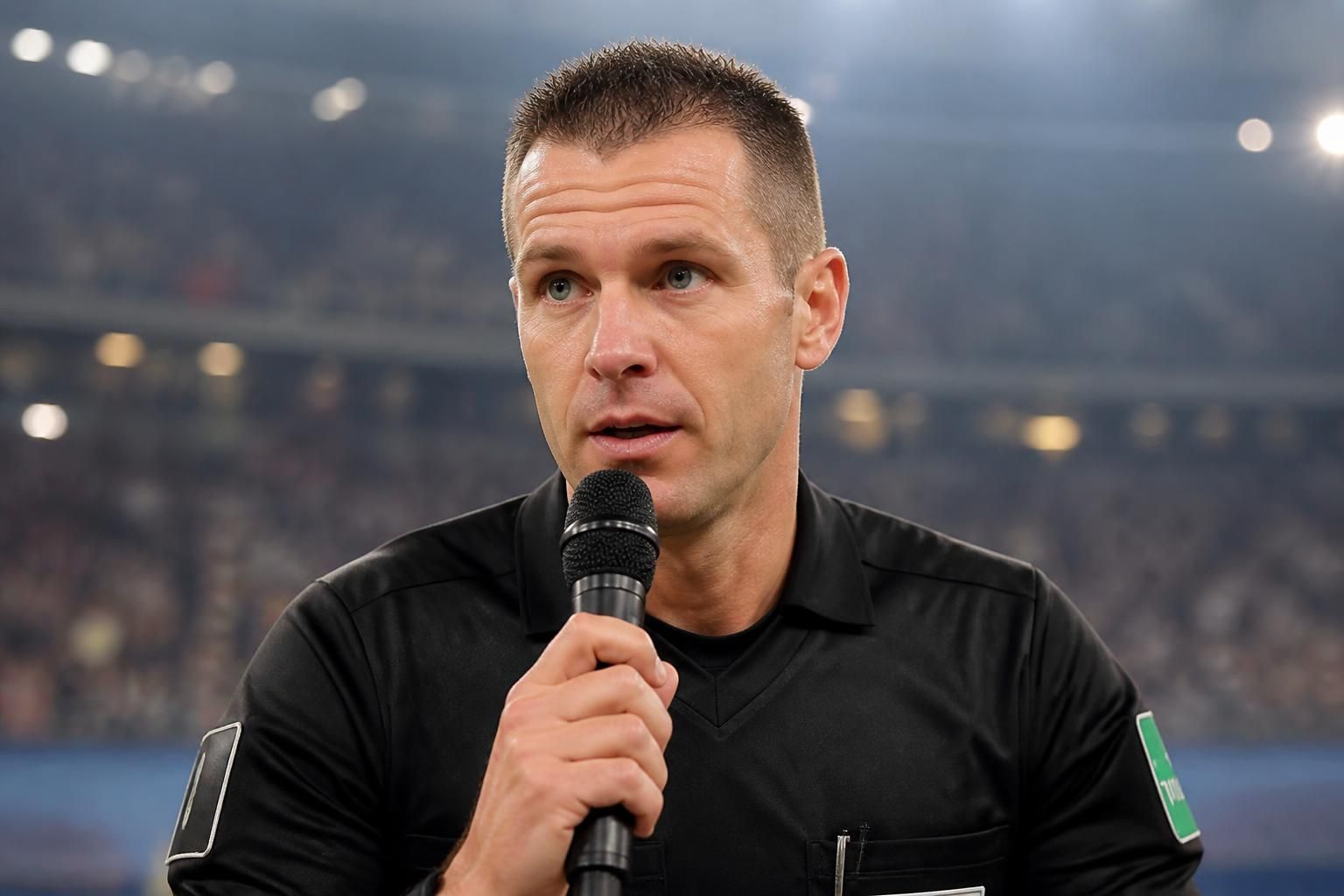
The Round of 16 clash between Argentina and Egypt in the 2026 World Cup was marred by more than just a thrilling five-goal spectacle; it spiraled into a vortex of controversy centering on referee François Letexier’s officiating. After a stunning comeback where Argentina overturned a two-goal deficit to claim a 3-2 victory, scrutiny quickly shifted to Letexier’s pivotal decisions—most notably, the controversial overturning of an Egyptian goal. The French referee’s call, which negated a goal following a perceived foul on Argentina’s Lisandro Martinez, ignited a firestorm of protest both on the field and across social media. The fallout has been swift and severe, with Letexier facing an official complaint lodged by the Egyptian Football Federation and calls for his removal from the tournament. As the defending champions march on to face Switzerland in the quarterfinals at Kansas City Stadium, the shadow cast by this contentious match lingers, fueling debates over VAR’s role and referee accountability in FIFA’s showcase event.
Briefly summarized, the key points emerging from this controversy are: the match’s dramatic turnaround overshadowed by officiating disputes; Letexier’s decision to disallow Egypt’s second-half goal sparked widespread indignation; Egyptian officials have formally filed a complaint with FIFA, demanding an investigation and the referee’s potential removal; the incident has reignited discussions on VAR’s efficacy; and Letexier’s subsequent deactivation of his Instagram account highlights the personal backlash referees can face in the digital age.
Referee Letexier’s Decision Under Fire After Argentina vs. Egypt World Cup Drama
François Letexier’s refereeing during the Argentina-Egypt encounter quickly became the focal point of post-match discussions. The French official came under intense criticism for overturning a goal scored by Egypt late in the second half. This decision was predicated on an alleged foul committed by the Egyptians on Lisandro Martinez prior to the ball crossing the line. Critics argue that the foul call was dubious and that the VAR review’s intervention disrupted the flow and fairness of the game. The resultant frustration from both Egyptian players and their coaching staff was palpable, highlighting a broader distrust in officiating standards during this World Cup.
This episode has rekindled skepticism about the consistency and transparency of VAR usage, an issue that has plagued recent tournaments. The fact that such a crucial match was decided in part due to a video-reviewed call emphasizes the delicate balance referees must maintain between human judgment and technological assistance — a balance that Letexier was accused of tipping too far. The controversy has become so intense that one can find in-depth discussions about the incident within wider debates on referee performance and fairness at events like France Television’s image controversy.
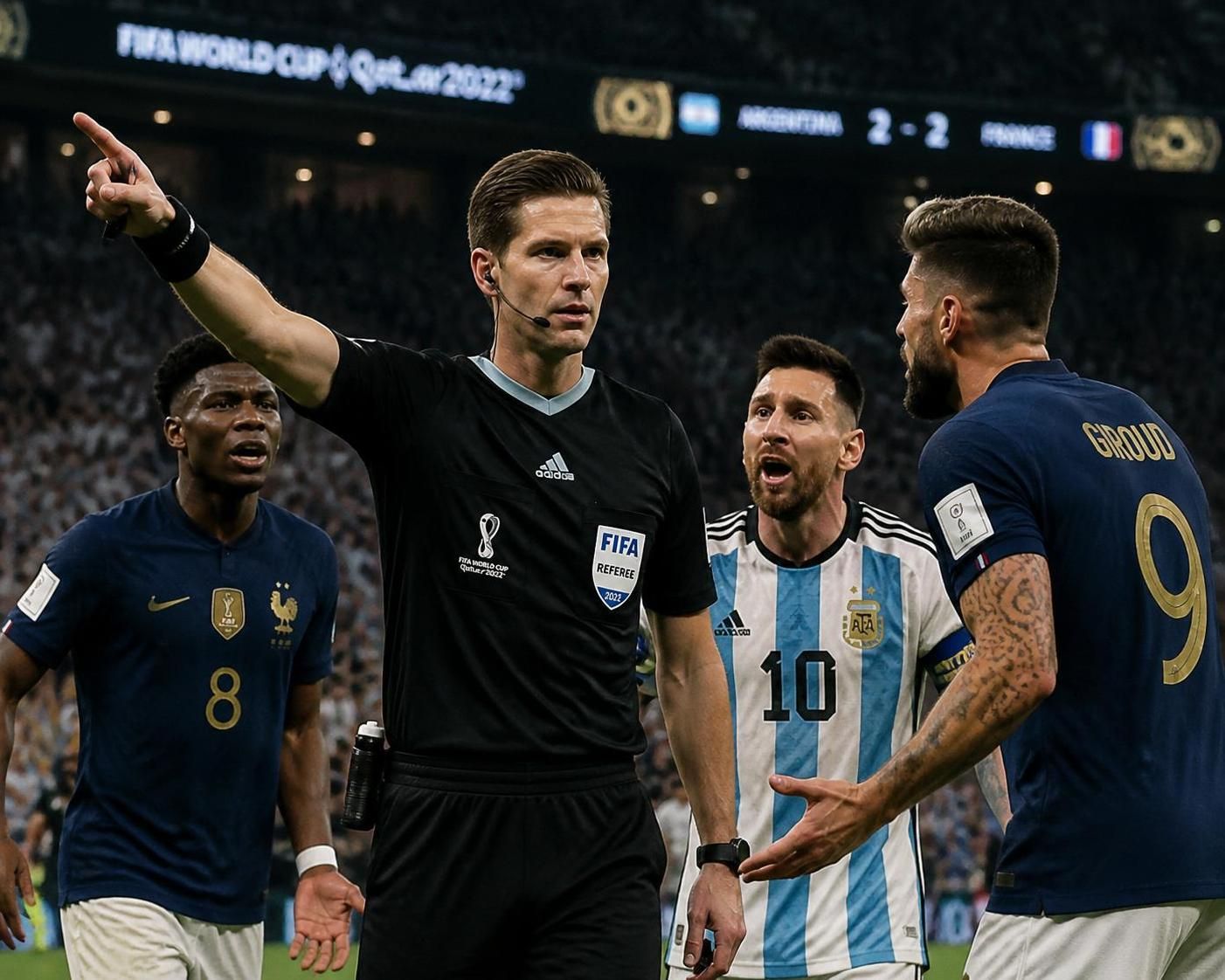
Official Complaints and Calls for Letexier’s Removal from the World Cup
The backlash was not confined to digital platforms or fan forums. The Egyptian Football Federation, led by President Hany Abo Rida, swiftly moved to lodge a formal complaint with FIFA, specifically targeting François Letexier and his officiating team. This unprecedented step underscores the severity with which Egypt views the referee’s impact on their crushing 3-2 defeat. The Federation’s request to have Letexier removed from officiating further World Cup fixtures reflects a profound lack of confidence in his neutrality and competence. Such actions have historical precedents, but they invariably throw FIFA into the difficult position of defending its referees while maintaining the tournament’s integrity.
This situation also feeds into the broader narrative of contentious officiating that has surfaced repeatedly during the tournament, including other incidents where referees were accused of questionable calls affecting key moments in high-stakes games. The demand for accountability is part of FIFA’s ongoing challenge to reconcile technology use, referee training, and the emotional stakes of global football’s biggest stage.
The Impact of Controversial Refereeing on Football’s Biggest Stage
The Argentina vs. Egypt contest is a stark reminder of how referee decisions can dramatically shape not only the course of a match but also the narrative of an entire tournament. Letexier’s controversial call has compelled fans, analysts, and federations to question whether the existing systems and protocols, notably VAR, truly serve justice or merely introduce new layers of debate and dissatisfaction. Players, like Argentina’s Lisandro Martinez, become inadvertent focal points of these disputes, their involvement scrutinized under magnifying glasses.
The intense backlash prompted Letexier to deactivate his Instagram account after initially restricting comments, a telling indication of the personal toll such high-profile controversies exact on referees. It also serves as a cautionary tale about the intersection of sports officiating and social media in the modern era. As FIFA continues to evaluate referee performances, the pressure mounts to refine the balance between human judgment and technological intervention.
The lingering discontent over Letexier’s decisions during this match resonates within a larger dialogue about fairness and transparency in global football. The match and its aftermath have become an emblematic example of the challenges FIFA faces in preserving the spirit of the game amid technological and human complexities. With Argentina advancing and Egypt’s exit bitterly contested, the World Cup narrative remains as riveting off the field as on it, beckoning stakeholders to rethink the future of refereeing at the highest level.