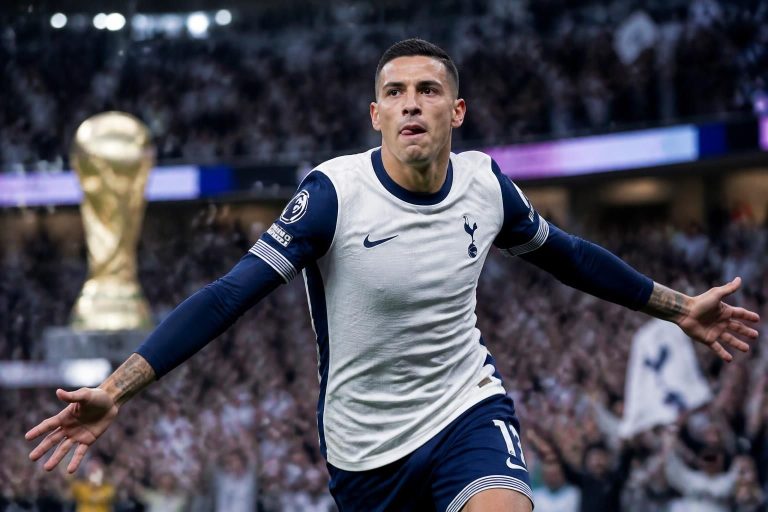
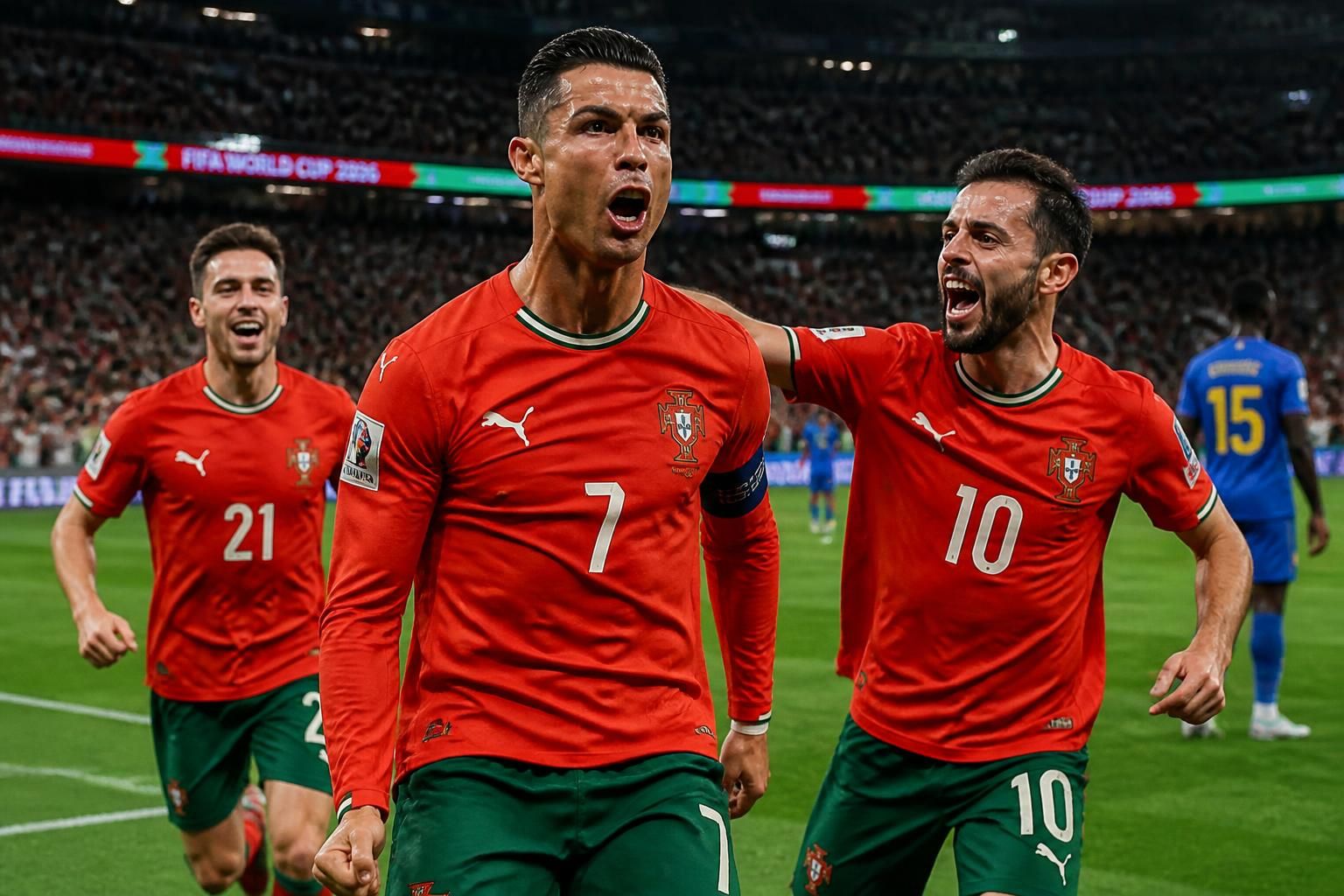
The 2026 FIFA World Cup is shaping up as an unprecedented event, marked by an expanded roster of 48 teams and the combined hosting efforts of the U.S., Mexico, and Canada. Among the many groups to watch, Group K draws attention as it opens a path for Portugal to potentially reclaim its standing on the global football stage. With Colombia, Uzbekistan, and a playoff winner emerging from DR Congo, Jamaica, or New Caledonia, the competition is set to test tactics, stamina, and adaptability. Portugal’s journey isn’t just about riding on Cristiano Ronaldo’s well-documented legacy; it’s a deeper narrative about a squad in transition, blending youthful energy and seasoned know-how under Roberto Martínez, who’s experimenting with formations to maximize effectiveness. Portugal’s opening matches against diverse opponents will critically shape their tournament outlook and could provide early indicators of how well the team is primed to face the tactical and physical demands of this enlarged tournament format.
Briefly summarizing the stakes: 🌍 The 2026 World Cup breaks traditional molds with 48 teams, creating fresh challenges. ⚽ Portugal, bolstered by key players like Bruno Fernandes and Rafael Leão, eyes the knockout stages but must first neutralize a varying set of opponents in Group K. 🔥 Tactical flexibility under Martínez will be vital against the physicality of DR Congo or the unpredictable styles of Jamaica and New Caledonia. 🔮 Odds place Portugal as strong favorites but underline the tight margins that define World Cup success. 🚀 Off the pitch, this World Cup epitomizes football’s expanding global reach and evolving competitive landscape.
Portugal’s Strategic Outlook and Group K Dynamics for the 2026 World Cup
Portugal’s qualification campaign was emphatic—highlighted by a striking 9-1 win over Armenia, featuring hat-tricks from Bruno Fernandes and João Neves—yet it vividly exposed tactical seams that Roberto Martínez has been calibrating. The team’s preferred 4-3-3 setup leverages attacking flair and ball possession, with an average 71% possession rate in qualifiers. This style, however, invites vulnerability through counter-attacks, especially against physically imposing teams like DR Congo or high-pressing squads such as Colombia.
The Group K mélange is no accident; from Colombia’s disciplined technical pressure to Uzbekistan’s tactical resilience, each opponent demands different tactical responses. Meanwhile, the playoff winner represents a wildcard: DR Congo’s sheer physicality contrasts sharply with Jamaica’s combative intensity or New Caledonia’s tactical discipline. This unpredictability is a reminder that even clear favorites like Portugal face nuanced challenges when adapting mid-tournament to unforeseen styles.
Portugal versus DR Congo, Jamaica or New Caledonia — Tactical Possibilities and Challenges
Analyzing Portugal’s upcoming clash with DR Congo or the winner between Jamaica and New Caledonia reveals a chess match of contrasting football aesthetics. Martínez’s tactical fluidity oscillates among formations—4-3-3, 4-2-3-1, and sometimes 3-4-2-1—aimed at balancing attacking dominance and defensive stability. Ronaldo’s role is calibrated to exploit his positional intelligence without putting undue physical burden on the veteran. Meanwhile, creative lynchpins like Bruno Fernandes and Rafael Leão are pivotal in breaking down tightly structured defenses.
Opponents like DR Congo present a high-risk physical contention, demanding Portugal’s midfielders to exhibit endurance and tactical discipline. Jamaica’s explosive pace and pressing might force rapid transitions, while New Caledonia’s less heralded status belies a tactical discipline that could unsettle complacent favorites. The unique demands of facing these teams early on necessitate adaptable strategies and alert in-game management, underscoring why these opening matches are more than routine fixtures—they’re vital litmus tests for Portugal’s title bids.
Historical Context and Portugal’s Aspirations in a Growing Global Football Landscape
While Portugal’s best World Cup finish, third place in 1966, still fuels ambition, recent squads have focused on consistent high-level performance, as seen in their UEFA Nations League triumph over Spain. Yet, tournament success hinges on more than talent; strategic coherence, psychological resilience, and managing intense schedules play pivotal roles.
Portugal finds itself at a crossroads in 2026. The squad must navigate through diverse football philosophies and manage star players’ roles amid heightened tournament pressures. This is amplified by the sheer scale of the event—the largest World Cup ever—offering expanded opportunities but also sharpening competition. Matches against DR Congo or Jamaica/New Caledonia serve as foundational moments, setting the extracted tone from which Portugal will launch a hopeful run into knockout rounds and beyond, seeking a breakthrough beyond their historical peak.
Insights from Expert Analyses and Odds on Portugal’s Early Matches
Experts and betting markets position Portugal as a strong contender with +1100 odds, just behind footballing giants like Spain, England, and France. However, these odds reveal a double-edged sword: respect for Portugal’s technical skills but awareness of tactical and defensive questions, especially when pressed by aggressive, fast-paced teams. The likely playoff winner from DR Congo, Jamaica, or New Caledonia adds further complexity, each bringing styles that could upset complacent favorites.
Success in these opening matches hinges on Portugal’s ability to assert tempo, create overloads in attacking zones, and close defensive gaps promptly. Rising stars such as Bruno Fernandes and Rafael Leão are not only scoring threats but key to managing transitions in both offense and defense. Despite the odds favoring Portugal’s smooth advance, the margins in World Cup football are notoriously narrow, emphasizing the need for razor-sharp execution from day one—setting the tone for a tournament forecast filled with intrigue and intensity.
For broader context on the tournament and Portugal’s prospects, you might find valuable insights in this detailed World Cup 2026 prediction resource, which dives deep into group stage dynamics and beyond.
The Broader Significance of the 2026 World Cup: Football’s Evolving Global Stage
More than a sporting showcase, the 2026 World Cup embodies evolving football culture, commercial expansion, and technological innovation. The tournament’s record size epitomizes the sport’s universal appeal, while the hosting triad of the U.S., Mexico, and Canada reflects strategic infrastructural development tailored to accommodate heightened hospitality and fan engagement demands.
Portugal’s campaign mirrors broader trends in football—blending legacy players with emerging talent and adapting to tactical innovations. As emerging nations like Jamaica and New Caledonia take their shots on the global stage, the hierarchical structures of traditional football powers face fresh challenges. This World Cup transcends match outcomes to spotlight the sport’s trajectory, blending football’s past glories with a future increasingly defined by diversity and strategic progression.
On a related note, updates on international football affairs highlight the dynamic challenges teams face this year, reflected in stories like key international prop challenges impacting team preparations, underscoring that success demands navigating complexities both on and off the pitch.