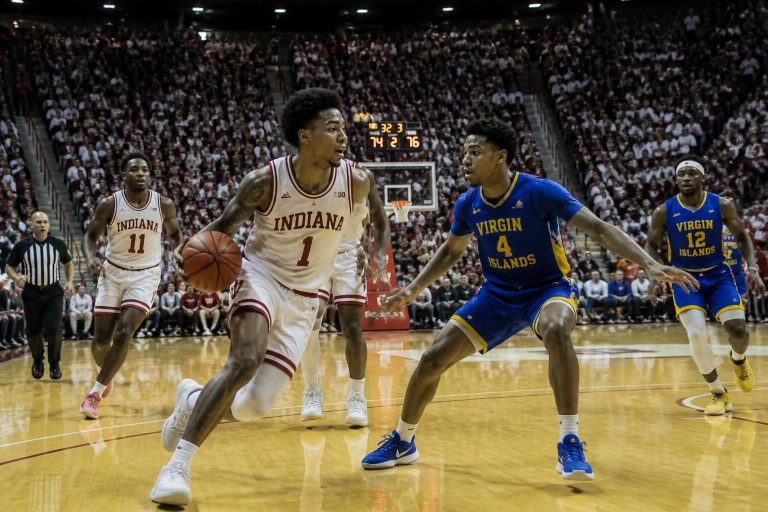
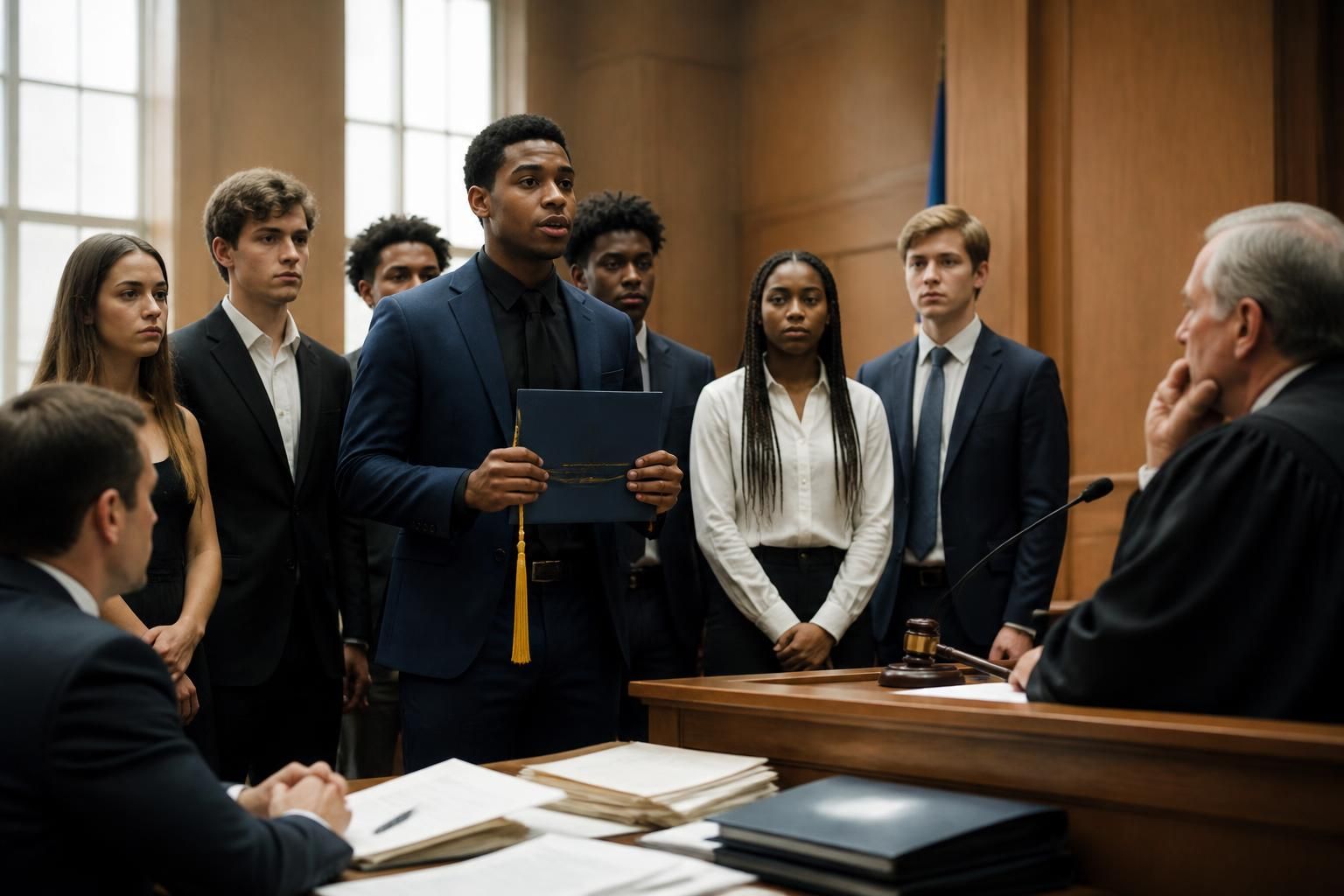
Less than a day after the NCAA Division I Cabinet’s sweeping update on eligibility rules, 15 college basketball players launched a legal challenge in Ohio. The suit targets the NCAA’s new age-based eligibility policy, arguing it unfairly bars players who graduated high school in 2022 from a crucial fifth year of competition. This rule shift allows athletes five seasons over five years starting from either full-time college enrollment or their 19th birthday, stripping away most waivers and eliminating traditional redshirt years except in rare cases like pregnancy or military service. The affected players argue this change unjustly disrupts their careers and earning potential through name, image, and likeness (NIL) rights, a claim sparking broader scrutiny on NCAA’s recent policy overhaul.
In the complaint filed in Hamilton County, Ohio, the athletes highlight that they competed fairly against older players granted extended eligibility due to COVID-19 disruptions. The NCAA’s allowance for 2022 graduates to play professionally before enrolling and still compete by 2026-27 only deepens the inconsistency. The Cabinet insists these new rules won’t apply retroactively and that extending eligibility for those finishing in spring 2026 would create chaos just before the new season. Yet, this legal action reveals significant tension between evolving NCAA policies and athletes’ rights, potentially influencing future debates around fair play and athlete compensation.
- 🚨 The NCAA now permits five seasons within five years for Division I athletes but excludes retroactive extensions.
- ⚖️ Ohio lawsuit claims the 2022 graduates are unfairly denied a fifth competition year despite competing with eligible older athletes.
- 💼 New rule curbs redshirt years and waivers except for special circumstances like military service or pregnancy.
- ⏳ The NCAA’s policy allows some 2022 high school graduates to play professionally before college and remain eligible through 2026-27.
- 🏛️ Legal dispute focuses on whether NCAA’s selective application of eligibility rules breaches fairness and NIL earnings potential.
- 📍 The Division I Cabinet maintains no course corrections, citing roster stability and fairness to incoming freshmen.
- 📱 Expect similar lawsuits nationwide challenging this contentious NCAA policy.
Ohio Lawsuit Challenges NCAA Eligibility Rule Blocking 2022 High School Graduates from Fifth Year
The recent lawsuit filed in Ohio shines a glaring spotlight on the NCAA’s decision to shift toward an age-based eligibility model. While the new guideline allowing five seasons over five years might appear progressive, it’s proving wildly inconsistent in application. Ohio’s group of plaintiffs — 15 college basketball players mostly connected to local programs — argue they’re unfairly blocked from a fifth season despite playing against rivals granted extended eligibility due to the pandemic’s impact.
This is not just a dispute about timelines but about the NCAA’s selective enforcement disadvantaging certain athletes. The claim stresses that the college athlete’s expectation for equitable and consistent rule application has been trampled. On top of that, the policy undermines players’ ability to capitalize on their name, image, and likeness rights, a vital revenue source in today’s college sports landscape.
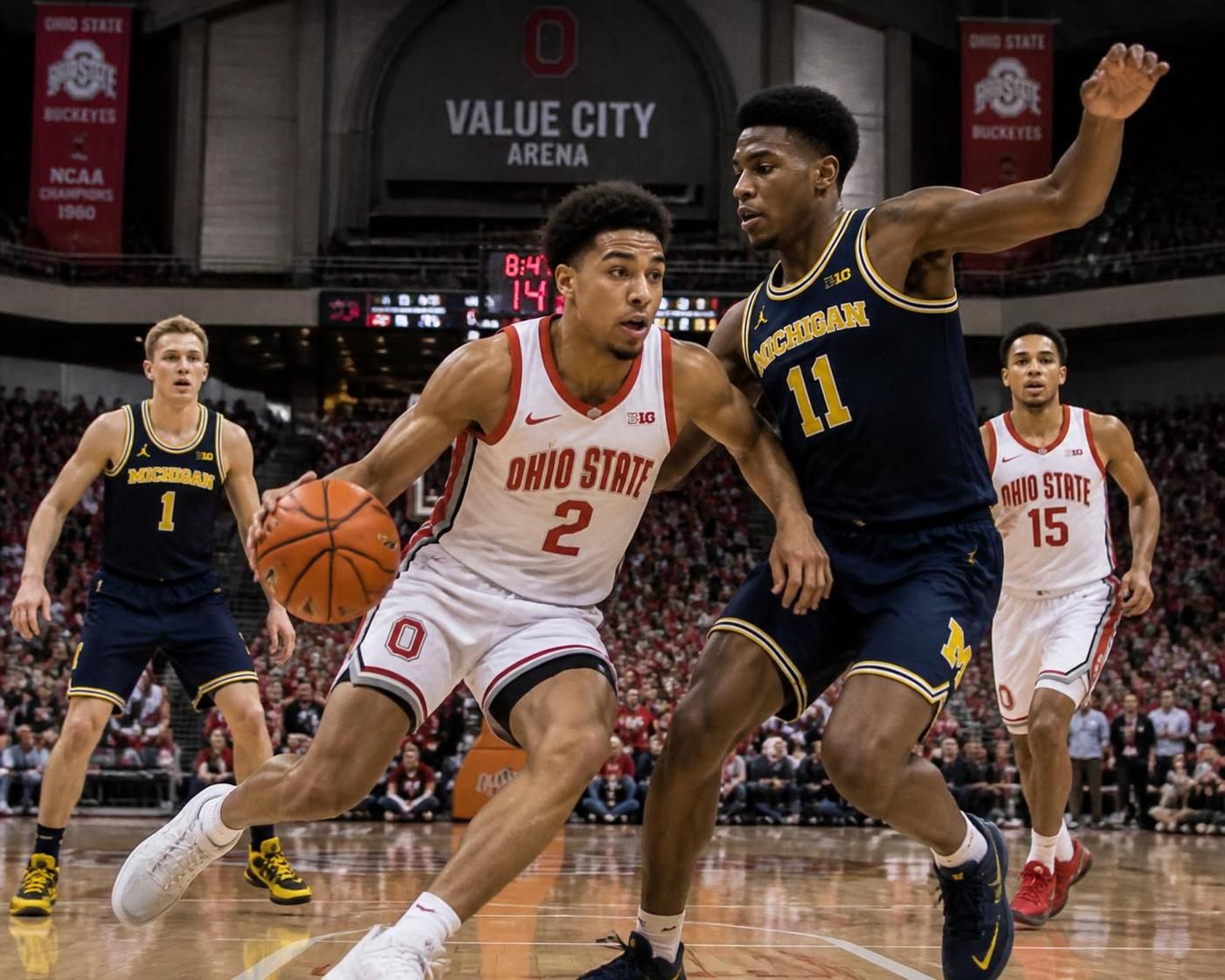
Why This NCAA Rule Feels Unjust to 2022 Graduates
The crux of the issue lies in the divergent treatment of athletes based on their graduation year and professional experience. The NCAA’s ruling permits players from other graduating classes — including those who competed professionally — to extend their college careers into a fifth year. Yet, this opportunity is denied to 2022 graduates who transitioned directly into college sports without redshirting.
Such uneven enforcement raises questions about the rule’s fairness and logic. The affected players competed during an unprecedented collegiate environment, often against veteran athletes benefiting from extended eligibility due to COVID-19. Denying these 2022 graduates a chance for an equal fifth year seems to punish them for circumstances beyond their control.
Implications of the NCAA Suit in Ohio for College Basketball
At stake is nothing less than the NCAA’s authority to govern eligibility in a way that genuinely balances fairness, athlete welfare, and competitive integrity. The Ohio case lays bare the friction caused by a sudden eligibility overhaul, especially one that fails to consider the ripple effects on players caught in transitional eligibility rules. It also amplifies the conversation around NIL rights, as the restricted eligibility directly affects the athletes’ earning power under these relatively new but increasingly important financial opportunities.
This legal challenge opens the door to potential waves of litigation nationwide, possibly pressuring the NCAA to reconsider or modify its approach. Meanwhile, the Division I Cabinet remains firm, emphasizing roster stability and the importance of honoring the traditional five-year timeline without retroactive changes—an argument resonating with coaches and program managers but arguably out of touch with athletes’ evolving needs.
For a deeper dive on NCAA’s financial policies affecting players, including the rejection of salary caps, check out this analysis on NCAA salary cap debates. Understanding how eligibility interacts with players’ rights to profit from their talents is crucial to grasping the full impact of this rule change.