
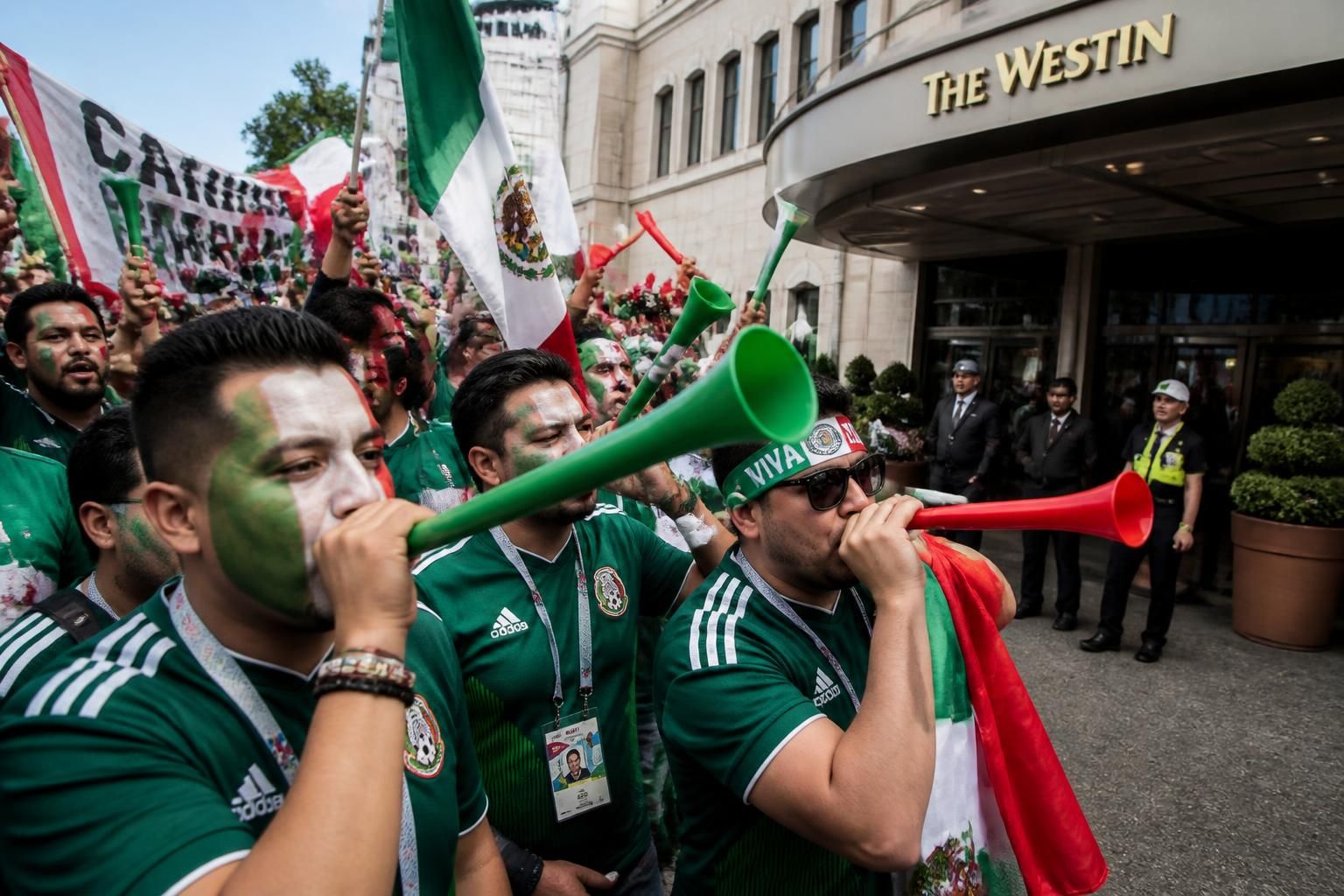
In the shadow of the FIFA World Cup’s electric enthusiasm, an age-old tactic has resurfaced with renewed vigor: Mexican fans are once again taking the noise-making tradition to heart as the England team prepares for their crucial round-of-16 fixture against co-hosts Mexico. Outside the JW Marriott in Santa Fe, western Mexico City, a chorus of horns, drum beats, fireworks, and loudspeakers pierced the early morning silence, a calculated effort to unsettle the England team and disrupt their sleep ahead of the match. Even with police blockades, this raucous assembly of supporters showcased a fervor that borders on psychological warfare, revealing how football fandom can oscillate between spirited support and intentional disruption.
This unrest was not a spontaneous outburst; it echoes a pattern witnessed earlier when “El Tri” enthusiasts employed similar antics before Mexico’s 2-0 win against Ecuador. Such tactics prompt questions about the fine line separating passionate support from unsporting behavior at the highest stage of international football. England’s manager Thomas Tuchel, ever the pragmatist, waxed philosophical, reassuring that missed sleep from the ruckus would be compensated with morning rest, his calm belying the pressure mounting on his squad. The match atmosphere here surpasses mere fan enthusiasm, becoming a battleground where psychological endurance counts as much as physical prowess.
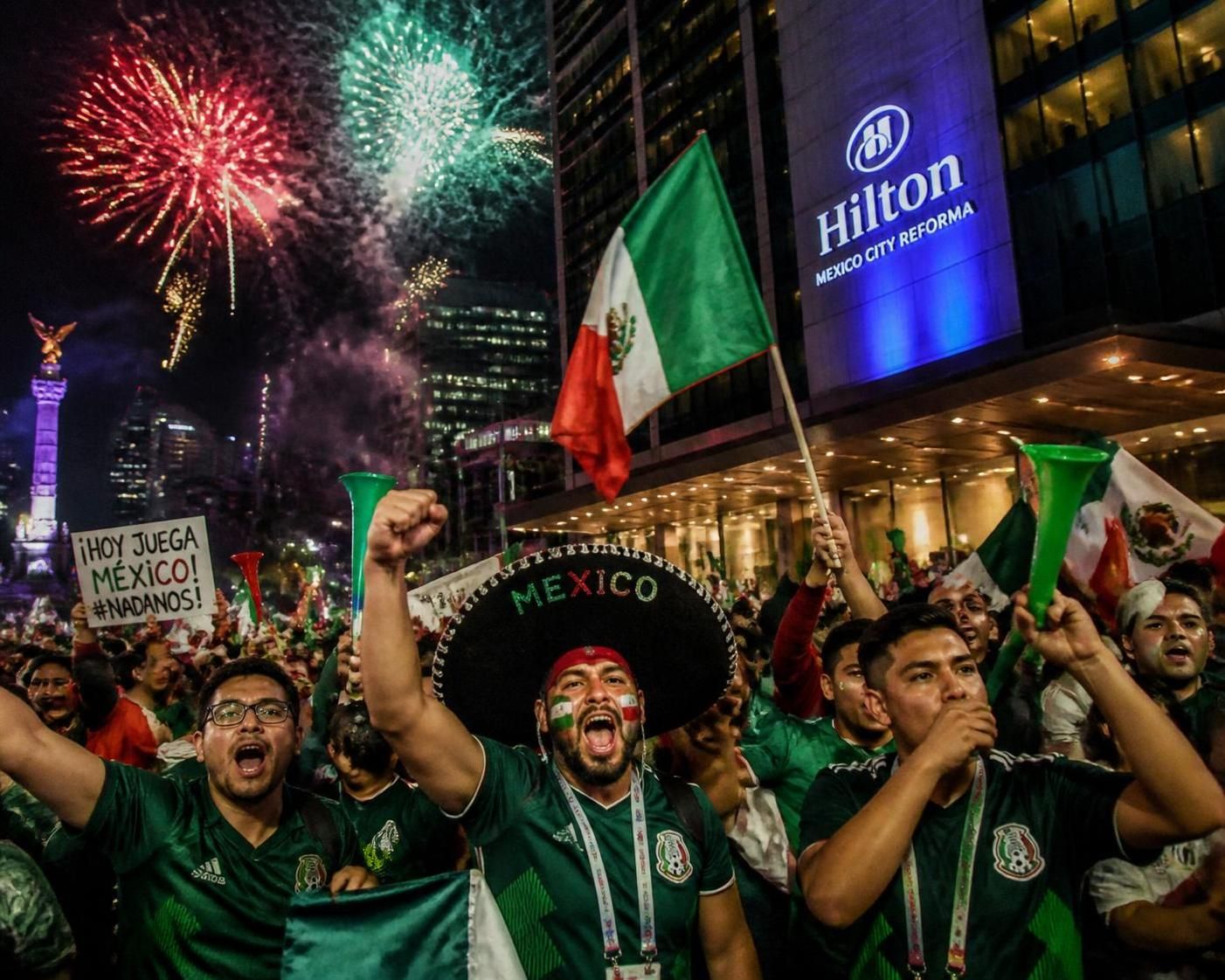
How Mexican Fans’ Nighttime Serenades Shape the Match Atmosphere at the FIFA World Cup
The tradition of late-night serenades—rooted deep in Latin American football culture—has transcended simple celebration to become an almost ritualistic prelude to critical matches. The tactic is as much about psychological impact as it is about energy and spirit, a method meant not just to support but to destabilize the opposing team. For Mexico’s ardent supporters, this spectacle outside team hotels is a declaration of home advantage and a tool of intimidation wrapped in sonic complexity.
These orchestrated disturbances, with their, horns and fireworks, create a cacophonous environment that challenges the visiting teams’ mental readiness. Despite concerted attempts by authorities to impose order, the blend of cultural pride and competitive intensity ensures the spectacle endures. Though some may label these acts as unsporting, to many in Mexico, they represent an intrinsic element of the World Cup experience—a loud, unavoidable statement that the hosts’ supporters will spare no effort in rallying their team.
England Team’s Response Amidst the Hotel Disruption
Manager Thomas Tuchel’s stoic response to the nocturnal disturbances reflects a broader tactical mindset within the England camp—acknowledge the challenge, but don’t succumb to it. While the noise aims to wear down the players’ concentration and disrupt their preparation, professional teams at this level anticipate such maneuvers, especially in hostile venues. The tactical resilience demanded by a World Cup knockout match extends beyond the pitch and into the psychological battleground surrounding the players’ quarters.
Although police were present and endeavored to maintain order, no arrests were made, signaling a tacit acceptance of these cacophonous demonstrations as part of the tournament’s intense cultural fabric. This raises the dilemma of balancing cultural expressions of support and the need to ensure fair competition conditions. In this high-stakes environment, the psychological fortitude of players often becomes as crucial as physical conditioning.