
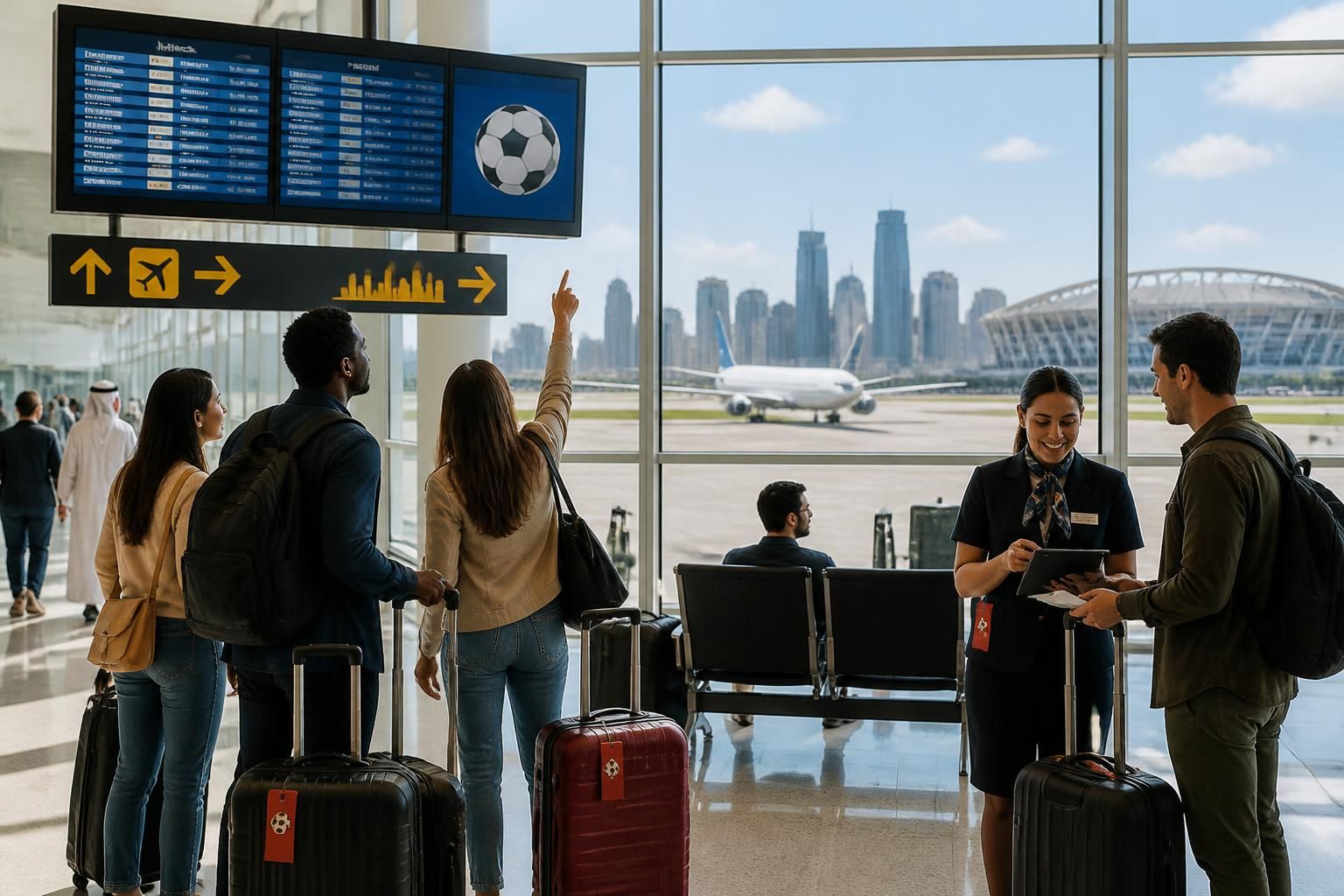
Amid the excitement of the FIFA World Cup 2026, Houston is gearing up to host millions of fans, turning the city into a bustling hub of sporty celebration and cultural exchange. Yet, with over 500,000 visitors expected and seven crucial matches slated at the iconic NRG Stadium (branded as Houston Stadium for the event), the challenge of navigating travel logistics without losing your cool becomes paramount. Stress-free travel here demands a savvy blend of upfront planning and smart use of the city’s evolving public transport and travel infrastructure.
The city’s famed car-centric nature adds complexity, especially to those unfamiliar with Houston’s sprawl. However, strategic use of public transport in Houston, especially the METRORail system connecting key districts like Downtown, Midtown, and the Museum District, offers a reliable way to zip through busy match days. Enhanced services, such as match day shuttles and the innovative Green Corridor connecting fan zones, stadium, and cultural hubs, promise a smoother fan experience. And when it comes to airports, choosing between George Bush Intercontinental Airport and William P. Hobby Airport means weighing direct international access against proximity to the city center—both presenting unique transit options.
Operational enhancements, including a $9 million federal fund boost to public transportation and scaled back highway construction, signal Houston’s commitment to hosting a world-class, event transportation system. The anticipation even extends to the parking strategy at Houston Stadium where passes will be pricey, prompting many to favor rideshare or mass transit modes instead. All in all, tapping into these resources early, knowing your transport alternatives, and securing accommodation near transit-friendly neighborhoods will be key to mastering the rhythms of the city during this global football extravaganza.
Ready to dive into the nitty-gritty of travel planning for Houston during the World Cup? Let’s unpack the essentials, ensuring your journey to the center stage of the beautiful game is free from last-minute headaches and full of memorable moments.
Mastering Travel to Houston’s FIFA World Cup 2026 Venues: Your Ultimate Guide
Houston’s unique urban layout demands that visitors prepare early for smooth arrival and efficient movement. The two major airports, George Bush Intercontinental Airport (IAH) and William P. Hobby Airport (HOU), serve as the gates through which most will enter. IAH stands out as the international gateway with broad flight options and excellent ground transportation, including the expanded Route 500 Downtown Direct bus, providing a stress-free airport transit alternative. Conversely, Hobby Airport’s proximity to the city center and a more contained terminal experience may appeal to domestic travelers seeking expediency and convenience.
Once in town, relying solely on a rental car is a gamble. Traffic congestion around Houston Stadium is expected to be heavy, and parking costs balloon to $100-$175 per match, incentivizing fans to adopt public transportation or rideshare options. The METRO system is gearing up with increased services during tournament days, running the Red Line trains every six minutes, and expanding bus capacity — a crucial step in shoring up match day logistics. Locals and visitors alike will find smart use of these resources much less taxing than sitting stalled in car traffic.
Public Transport Houston: The Backbone of Stress-Free Match Day Travel
To navigate Houston during the whirlwind of the FIFA World Cup, public transit is indisputably the backbone. The city has turbocharged its METRORail with more frequent runs, extended service hours, and two-car trains to accommodate the surge of match day fans. Alongside this, the Green Corridor initiative creatively merges rail, walking paths, and bike trails to connect Houston Stadium, the vibrant Downtown, and the FIFA Fan Festival in EaDo, providing a refreshing alternative to the automobile gridlock. This corridor is also thoughtfully designed with shaded walkways and open public spaces, critical for managing the oppressive Texas summer heat.
For fans staying in neighborhoods like Midtown, Montrose, and EaDo, this means easy access to the venues without needing a car, further supported by frequent bus services and park & ride options from suburbs. While rideshare apps like Uber and Lyft remain available, expect surge pricing on game days, emphasizing the value of planning transit usage smartly. With fares holding steady around $1.25, public transportation in Houston proves affordable and reliable, a vital factor when supporting both visitors and the local community during this global sporting spectacle.
Arriving Prepared: Car Rentals, Parking, and Airport Transit Insights
While Houston’s transport network is improving, the city’s design means fans who want to explore beyond the stadium or venture to other World Cup host cities such as Dallas will find a car necessary. Booking early is non-negotiable due to soaring demand and pricing hikes during the World Cup period. Rental services cluster conveniently at each airport’s Rental Car Center, served by regular shuttle connections. For a modern twist, peer-to-peer car rentals like Turo offer an alternative that might unlock better availability and unique vehicle selection, catering to the diverse crowd of fans passing through Houston.
Airport transit to downtown centers has seen key enhancements. The direct bus service between George Bush Intercontinental and downtown Houston connects international arrivals smoothly, while Hobby Airport’s closeness lends itself to quicker rideshare or taxi trips. Choosing your airport wisely, depending on flight origin and onward plans, becomes a tactical decision impacting your experience from touchdown to kickoff.
Navigating Houston’s Match Day Experience without the Gridlock
Parking near Houston Stadium remains prohibitively expensive for most, and officials urge fans to avoid driving whenever possible. Instead, designated rideshare drop-off points and extensive shuttle networks will help ease the flow of visitors. The city’s proactive measure to scale down highway construction during the tournament window is a welcome gesture but won’t eliminate traffic snarls completely. Savvy travelers will combine the use of event transportation options with timely arrival and departure strategies to dodge peak congestion times and maximize their World Cup adventure.
If traveling between Houston and other host cities, note the logistical nuances: Dallas lies nearly 300 miles away, giving rise to long bus or train rides that may suit budget-conscious fans but require considerable travel time. For more information on World Cup host cities and travel tips across the event, resources like World Cup 2026 host cities guide can provide valuable insights and planning help to connect all your journey’s dots.