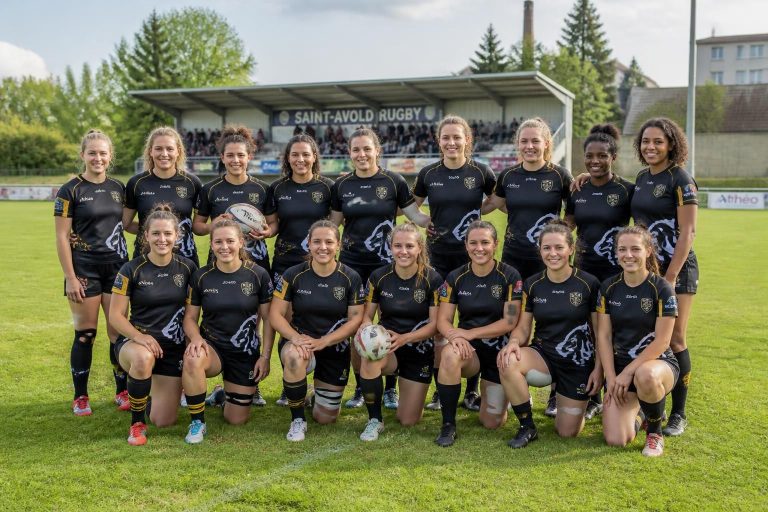
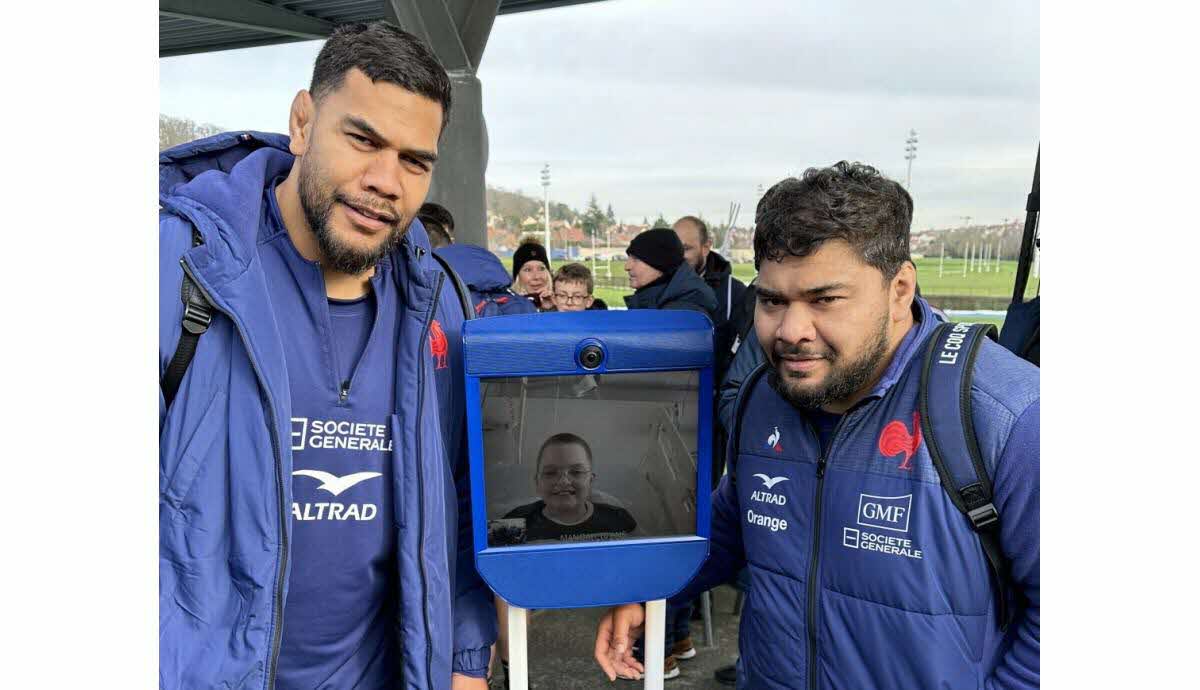
In the heart of Haute-Loire, rugby goes beyond the traditional field battle to serve as a catalyst for community health. This innovative approach seeks to meld physical activity with therapeutic benefits, especially for those battling chronic diseases. The Rugby Entente Velay Est (Reve XV) club has pioneered a sport-health section, offering a tailored rugby program that prioritizes wellness while minimizing the reliance on medications. This initiative isn’t just about sports; it’s a vital response to rising health concerns linked to sedentary lifestyles and chronic conditions like diabetes and cardiovascular issues across the region. 🏉💊
Participants at this program, many of whom are referred via medical prescriptions, engage in a specially adapted form of rugby that eliminates physical contact and risky maneuvers like ground tackles, ensuring safety without compromising on the intensity required to enhance fitness and endurance. Through disciplined practice, members progressively improve their physical capabilities, fostering a robust sense of community and personal accomplishment. The program’s unique blend of sports therapy and social integration addresses not only physical health but also combats isolation, an often overlooked aspect in chronic disease management. This methodical approach to combining rugby, wellness, and physical activity aligns perfectly with contemporary strategies aimed at reducing medication dependencies while optimizing overall health outcomes in Haute-Loire.
How Rugby Sport Therapy Reinforces Physical Health in Haute-Loire
In Monistrol-sur-Loire, the Rugby Entente Velay Est club has taken a strategic leap towards enhancing community health through a refined model of rugby that emphasizes physical activity tailored for vulnerable populations. This rugby sport therapy is meticulously structured to accommodate those unable to engage in conventional sports due to chronic ailments such as diabetes, obesity, or heart diseases. By circumventing physical contact, the program reduces injury risk while still encouraging cardiovascular health and muscular strength improvement.
The initiative, driven by a collaboration between medical professionals and sports educators, ensures that every session complies with precise medical guidance and is supervised by experts in adapted physical activity. This approach not only helps participants regain mobility and endurance but also serves as a preventive measure to slow chronic disease progression—offering a viable alternative pathway to traditional medication-heavy treatments. The consistent progression noted among participants, from mere walking to trotting and beyond, reveals the substantial impact of this form of physical activity on medication reduction and quality of life improvement in the local community.
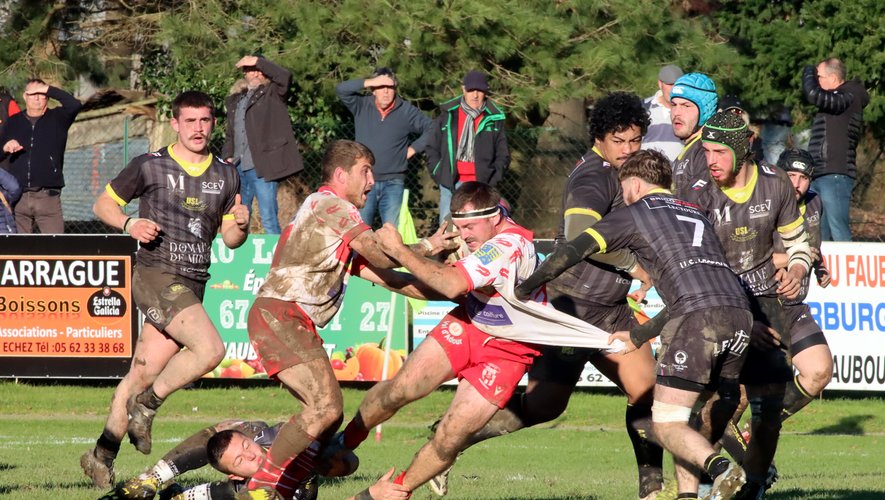
Community Health: More Than Just a Game
Beyond the physical benefits, the social dynamics fostered by this rugby-based sport therapy play a crucial role in community health. The sessions act as social hubs where individuals, particularly seniors averaging 60 years old or more, find encouragement and motivation through camaraderie. It combats social isolation effectively by integrating individuals, some even recovering from mental health challenges, into an active and supportive group environment.
The weekly meetings at Stade Beauvoir emerge as opportunities for mental rejuvenation coupled with physical improvement. The positive shift in participants’ mental well-being is evident—not just in their physical performance metrics but in their enthusiasm and even playful banter during sessions. Stories like that of a 75-year-old lifelong athlete who continues to cherish these weekly rugby activities highlight how fitness and wellness through adapted rugby can redefine aging and chronic disease narratives.
Key Moments and Official Initiatives Supporting Rugby’s Health Role
Emerging evidence from academic studies and official bodies underscores rugby’s potential role in health promotion and chronic disease management. While rugby traditionally is associated with physical rigor and injury risk, non-contact rugby variants have proven to provide robust physical and mental health returns. Research from institutions like the University of Edinburgh elaborates on how rugby participation significantly reduces risks for conditions such as type-2 diabetes, cardiovascular diseases, and depression.
In Haute-Loire, partnerships between healthcare institutions and rugby organizations such as the collaboration between the Rugby Entente Velay Est and the Centre Hospitalier Sainte-Marie dovetail with these findings, establishing on-ground programs that bring these health benefits to the local population. These efforts are supported by resources from the Fédération Française de Rugby, which promotes accessible rugby health initiatives through detailed guidelines and training materials, enabling local clubs to adopt similar models.
Such coordinated efforts indicate a promising future where rugby is embedded in community health frameworks, offering a practical and enjoyable path towards reducing medication dependency in at-risk populations. This strategy, combining physical activity with medical oversight, exemplifies how sport can transcend its entertainment role to become a pillar in public health strategies.
For readers interested in learning more about rugby’s evolving role in health and community integration, easily accessible resources detail insightful case studies and recent match analyses found at platforms like Carcassonne Albi Super XIII and Lavaur Causse Vézère Rugby, enriching our understanding of how rugby continues to adapt and serve diverse community needs.