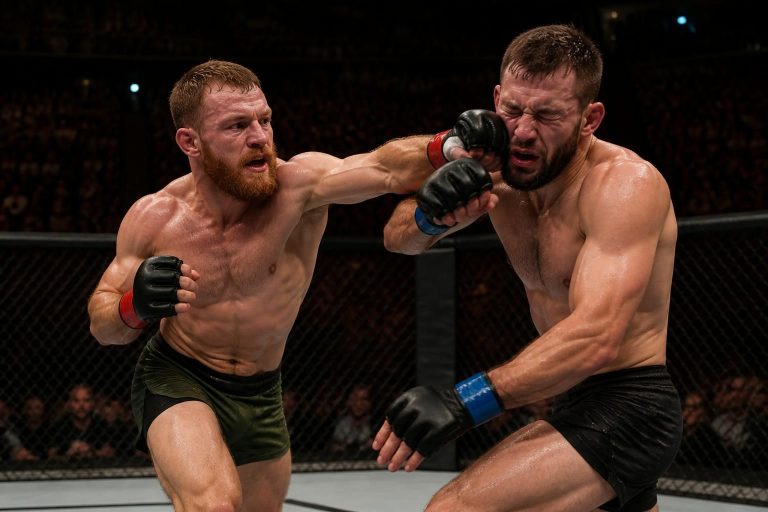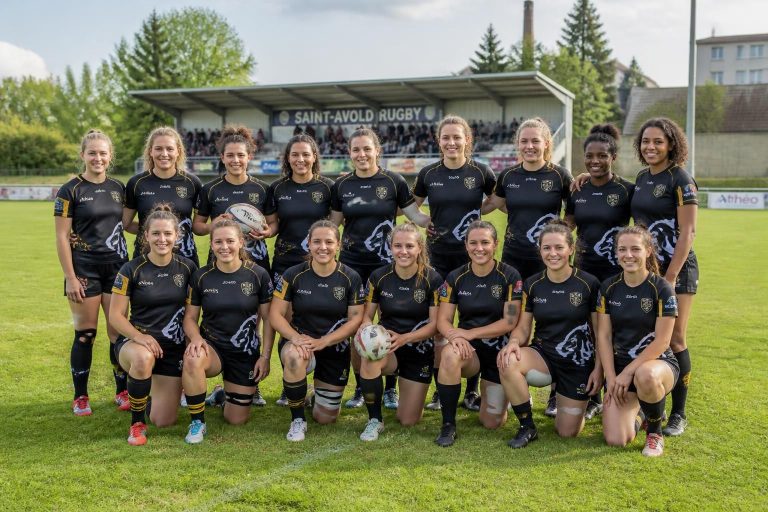

French MMA is witnessing an unprecedented surge in young fighters entering the sport, sparking a dynamic transformation across the country’s combat sports scene. The sport, which only gained legal recognition recently, has found fertile ground in France, where enthusiasm and participation rates among children and teenagers are soaring. With over 3,400 licensed fighters under 18 in the French MMA Federation (FFMAF) alone, the numbers only scratch the surface of a much larger, passionate community. These young athletes train intensively, often dedicating up to six sessions per week, aiming to rise through the ranks and one day compete in prominent global leagues like the PFL.
Behind this surge lies a complex ecosystem of clubs, coaches, and federations adapting rapidly to this influx. Training environments have been tailored accordingly, with sessions focusing heavily on technical development and safe progression, especially for the youngest practitioners. Mixed-gender classes and “touch” training—where strikes aren’t thrown with full force—help ease parental concerns and foster inclusiveness. Yet, despite this rapid growth, challenges remain: regional disparities, funding for competitions, and licensing complexities keep the FMMAF on its toes. The federation’s proactive approach includes expanding the competition calendar with national and local events to better nurture upcoming athletes and keep the momentum going.
As the French MMA landscape evolves, the spotlight is increasingly on these young talents showcasing their skills through well-organized tournaments like the MMA League Junior. Clubs such as Team Sorel in Marseille are pioneering this youth-focused development, pushing for more frequent competitive opportunities and inclusive programming. The future of French MMA looks vibrant but still demands strategic investment and structural refinement to fully harness the potential offered by this influx of young fighters.
💥 From grassroots mats to professional octagons, the evolving journey of youth in MMA France promises a revolution in fighter development and the wider combat sports community. 💪
—
Brief Highlights:
- 🔥 Over 3,400 youth licensed with French MMA Federation, reflecting a massive MMA surge among younger generations.
- ⚡ Training innovations include mixed-gender “touch” sessions, focusing on martial arts training safety and skill-building.
- 🎯 FMMAF expanding competition calendar, creating more platforms for upcoming athletes via MMA League Junior and local events.
- 🏆 Clubs like Team Sorel leading efforts to boost youth participation and raise event frequency across France.
- 📈 Addressing disparities in regional access, licensing challenges, and funding to sustain long-term MMA growth.
How French MMA Is Shaping the Next Generation of Fighters Amid a Youth Boom
The rise of young fighters in French MMA represents both an opportunity and a headache. Over the past few years, the sport has burgeoned from the shadows to become a beacon for ambitious youth eager to prove themselves on national and international stages. The recent tripling of licensed fighters under 18 underscores just how rapidly MMA France has become a favored training ground for adolescent athletes looking to break barriers in combat sports.
This surge forces gyms and federations to rethink their approach. Clubs like US Metro Bizot in Paris now juggle hundreds of younger fighters like Wissam, who trains intensely while dreaming of the PFL. Meanwhile, far from the capital, places like the Institut de Combat in Mons-en-Baroeul invest in creating safe, structured environments with age-appropriate exercises such as rolling drills, “serpents,” and “langoustes” to develop mat awareness and ground skills without unnecessary risks.
Such tailored training emphasizes gradual fighter development—a cornerstone philosophy for adapting to the influx of novices and future pros. Alongside physical growth, this approach combats lingering stigma by demonstrating that French MMA is evolving from a taboo spectacle into a legitimate discipline with robust safety protocols and inclusive, skill-based pedagogy.
But the rise of these upcoming athletes also strains resources. Gym capacity has been maxed out in many metropolitan hubs, and regional inequity shows stark contrasts with areas still lagging in infrastructure and coaching expertise. The FMMAF’s mission thus spans beyond adding licenses; it involves strategic planning to enhance competition frequency and quality while building bridges across regions to democratize access.
Training Innovations Tailored to Young Fighters’ Needs
In reinventing youth MMA training, France pioneers mixed-gender sessions focused on technique, respect, and safety, stripping away the aggression usually associated with full-contact competition. Coaches like Théo Bendoumia emphasize “touch training,” where strikes are executed lightly to reduce injuries and soothe parental apprehensions.
This blend of controlled intensity and playful skill development takes place on mats rather than octagons, fostering an atmosphere where the focus is learning rather than winning. It aligns perfectly with the modified grading systems in youth MMA — grades proceeding from white to green belts — encouraging youngsters to engage in achievable milestones, fueling motivation and steady progression.
The need for this style of martial arts training arises partly because MMA is still in its national infancy, legalized only a few years ago. Clubs that pioneer this nurturing format are not just producing fighters; they’re cultivating well-rounded athletes equipped to face the challenges of senior professional circuits.
Challenges and Triumphs: Expanding Competition Opportunities for Youth MMA
The competitive scene for young MMA fighters is picking up pace, but not without its hurdles. The creation of the MMA League Junior stands as a beacon for youth competition, offering six annual events across France, each attracting upwards of 90 participants. This promising format enables juniors to test their skills in a tightly regulated environment without full-contact repercussions.
Yet, this landscape demands more. Veteran figures like Yvan Sorel, founder of Team Sorel, advocate for the introduction of more frequent local events like interclubs and festivals, aiming for a regular schedule that could energize young fighters and maintain their commitment. Club-driven initiatives organizing interclub tournaments like FOTY Kids help supplement the official calendar, but funding and logistics remain ongoing challenges.
The financial and organizational backbone needed to sustain this growth is significant – with an estimated 20,000€ per youth event to cover medical teams and equipment. Balancing this against regional disparities in participation means that some areas struggle to field competitive lineups, stalling uniform national expansion.
Furthermore, licensing issues—some clubs license only competing members—jeopardize consistent data collection and funding streams vital for the federation’s development plans. This creates a cyclical problem where the lack of resources limits competition frequency, which in turn hinders license growth.
Encouragingly, the FMMAF’s approach to these challenges is evolving, focusing on increasing the competition offer and promoting regional team projects. The federation has realized that youth engagement is key not only for healthy sport development but to cement French MMA firmly on the international map.
Montpellier’s recent combat sports events have also inspired local clubs to amplify their training and competitive frameworks, reinforcing the grassroots pipeline that feeds professional opportunities.
Moreover, initiatives like the recognition of rising pros such as Adel Erredir in professional circuits motivate youth fighters worldwide by showing clear pathways to success.