
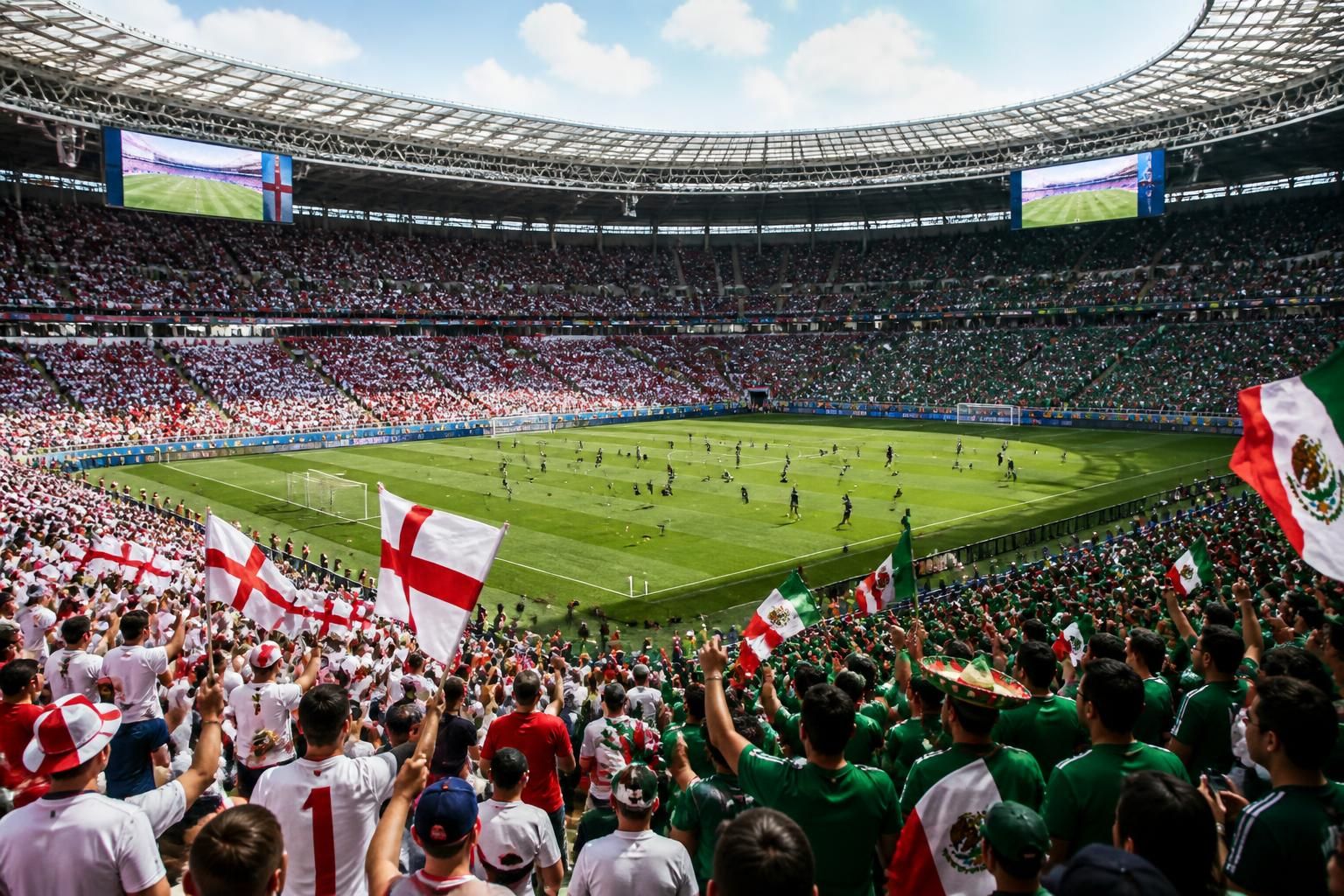
The England vs Mexico World Cup last-16 showdown in Mexico City was shrouded in confusion as FIFA first suggested an earlier kick-off before reverting to the original schedule. Plans to move the game six hours forward sparked outrage among officials from both nations, who were left scrambling to adapt. Ultimately, the match stayed true to its initial 01:00 BST start on Monday, despite looming thunderstorms threatening the day’s itinerary. The turbulent negotiations highlighted tensions between weather considerations, fan logistics, and the tight preparation window for players.
Brief:
- FIFA initially proposed rescheduling the England-Mexico match to 19:00 BST Sunday to avoid anticipated evening thunderstorms in Mexico City.
- Both English and Mexican football authorities pushed back, citing disruptions to preparations, travel, and fan experience.
- The fixture will now proceed at its originally planned kick-off of 01:00 BST Monday, a decision backed after thorough discussions.
- Weather remains a crucial factor in World Cup 2026 scheduling, with daily thunderstorms a common challenge.
- The Azteca Stadium’s high altitude adds another layer of complexity for players’ stamina and performance.
England vs Mexico Match Rescheduled Debate Reflects Football’s Scheduling Challenges
FIFA’s power to alter match kick-off times “at its sole discretion” was put under scrutiny when it proposed to advance the kick-off six hours earlier to 19:00 BST Sunday (12:00 local time). The rationale was clear: to avoid the known window of severe thunderstorms typically striking Mexico City in the early evening. Yet this weather reasoning failed to win over either the English or Mexican football associations, who were caught off guard by the abrupt shift.
From logistic nightmares surrounding fan travel, with over 3,000 England supporters slated to attend, to the practical demands of player preparation disrupted by sudden schedule upheaval, the proposal’s downsides quickly piled up. English winger Marcus Rashford labeled the idea “not ideal” but stressed team focus would remain unchanged regardless of game time. Meanwhile, Mexico’s manager Javier Aguirre publicly described the rescheduling idea as a “kick in the stomach,” bemoaning the lack of consultation despite his team’s reliance on routine.
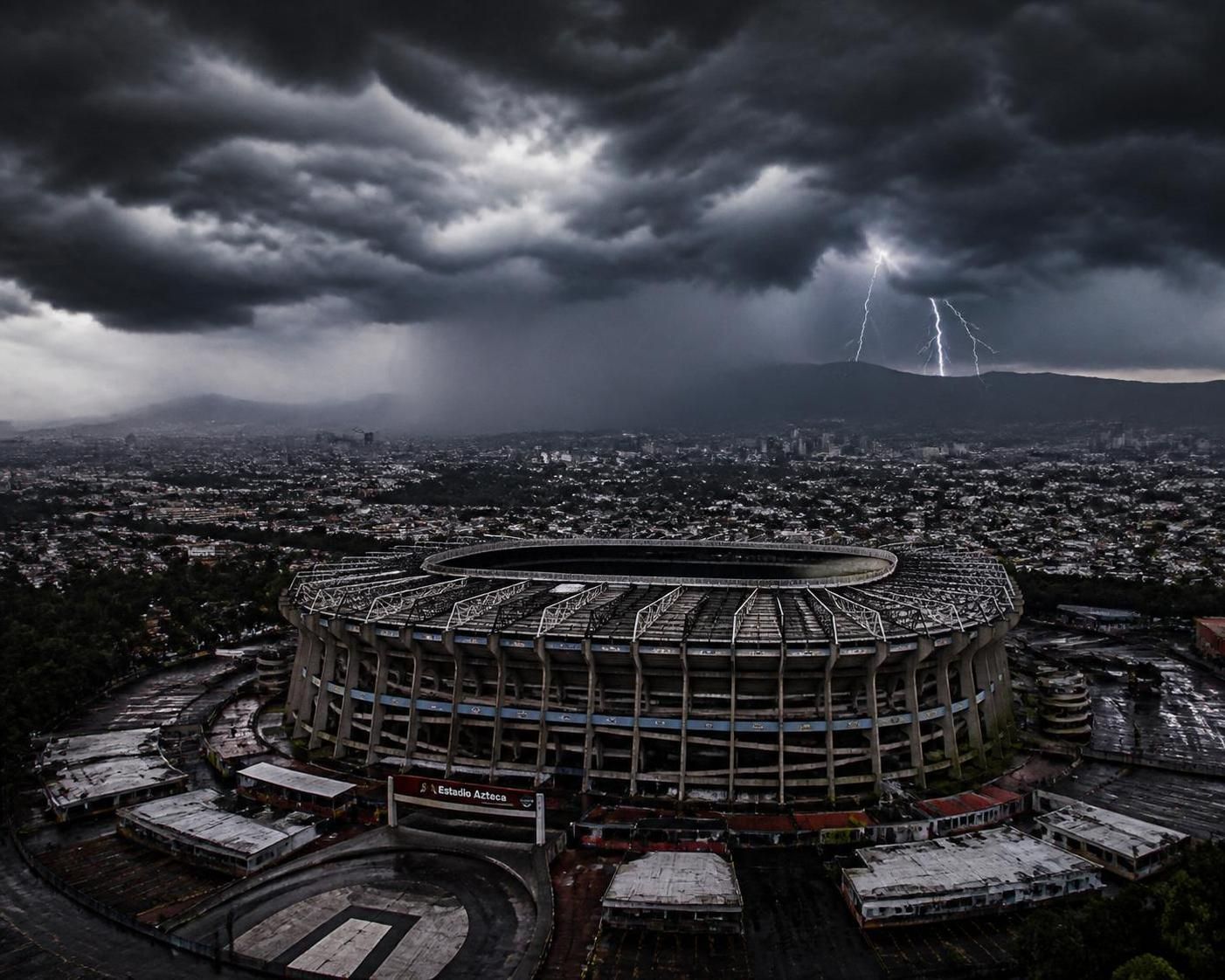
The Altitude and Weather Factor: Why Scheduling is Far from Straightforward
The Azteca Stadium looms not just large in history but also physically, with an imposing altitude of 7,220 feet above sea level. This altitude causes thinner air, diminishing oxygen intake, and increasing cardiovascular strain on players. It’s a challenge even for elite athletes, altering stamina and recovery, especially when combined with variable weather patterns.
Mexico City’s seasonal thunderstorms typically intensify during late afternoon and early evening—the very slot FIFA aimed to avoid. While the earlier 12:00 local start might evade the peak of storm activity, it brings its own challenges, including higher temperatures and possible midday showers. Such complexity illustrates why FIFA’s scheduling in this World Cup has been anything but straightforward, factoring in safety, athlete welfare, and the fan experience simultaneously.
Fans and Officials Clash Amidst Scheduling Turmoil
Any change to a match schedule ripples far beyond the pitch. For more than 3,000 England fans traveling to Mexico City’s Azteca Stadium, sudden alterations threaten costly travel plans and match preparation rituals. The English Football Association woefully noted the short notice and the arduous task of revamping logistics. Meanwhile, fans back in the UK eyeing the early Monday kickoff balanced excitement with practical concerns, like school attendance the following day.
Interestingly, the UK government preemptively extended pub opening hours until 5 a.m. during the tournament, anticipating these unusual kickoff times. The proposed earlier kickoff would likely have complicated these arrangements significantly, raising questions about preparedness on multiple fronts, from hospitality to public transport.
Broadcast and Coverage Dynamics Amid Time Changes
The match is set for live broadcast on major platforms like BBC TV, BBC iPlayer, and BBC Radio 5 Live, ensuring the intense soccer game reaches global audiences despite scheduling hiccups. Reports from Mexico suggested the BBC had a role in lobbying for an earlier kickoff, but BBC representatives firmly denied any involvement in the negotiations, underscoring the complexity of coordination between broadcasters, FIFA, and national associations.
Fans worldwide will no doubt be watching closely, not just for the spectacle on the field but for the logistics and controversies that often shadow such high-profile fixtures. The eventual decision to maintain the original kickoff time reflects a reluctant compromise weighted heavily by stakeholder pushback and practical concerns.
The England-Mexico tie perfectly exemplifies the multi-faceted dilemmas FIFA faces in orchestrating a global tournament across diverse climates and geographies. The lessons from this episode underscore the intersections of sport, weather, and fan culture, all colliding in a moment that transcends mere soccer.
For those interested in how international sports juggle such challenges, exploring logistical decisions in major sporting events adds valuable perspective on the broader impact of scheduling beyond just the game itself.