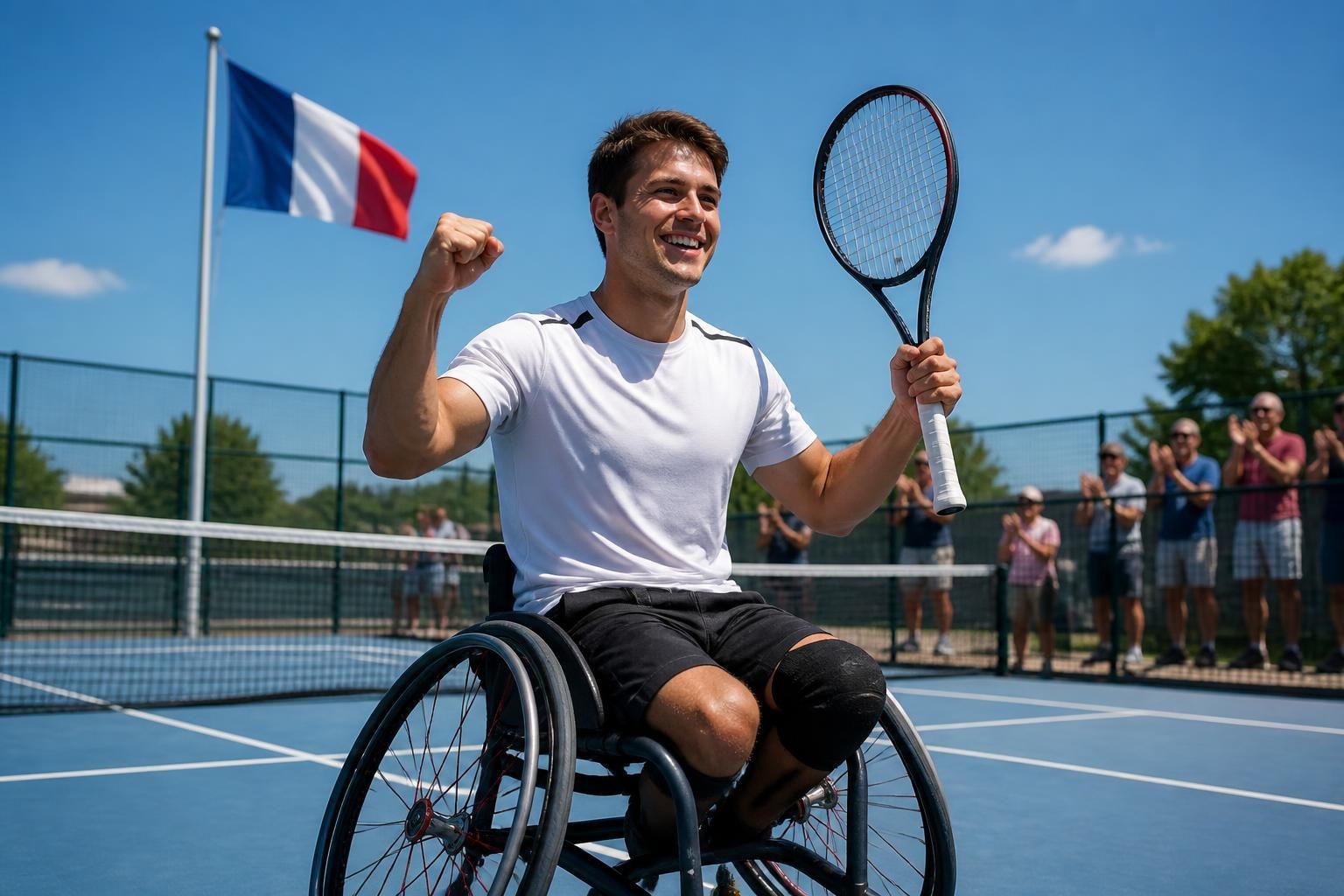
Corentin Guichard, a young tennis talent from Isère, recently clinched the prestigious title of French Champion in Adaptive Tennis, marking a significant milestone in the realm of Disability Sports and Paralympic Sports. At only 18, Guichard’s triumph at the national championships in Blois not only celebrates his personal skill and dedication but also highlights the growing prominence and competitive spirit of inclusive sports in France.
Having been molded at the Saint-Marcellin tennis club in Isère—where he also completed his civil service working closely with coach Vincent Leveque—Guichard represents a new wave of athletes breaking barriers in the sport. His adaptability and resilience shone through as he competed in the young category (under 21 years), overcoming challenges linked to his autism spectrum disorder (TSA) to stand out among his peers. This achievement underscores a broader shift in tennis, where wheelchair tennis and related adaptive disciplines are gaining wider recognition, supported by dedicated resources such as training at the Creps of Poitiers. For enthusiasts wishing to explore similar developments, the progression of adaptive tennis in Cherbourg offers interesting parallels.
Corentin Guichard’s Journey to Becoming French Champion in Adaptive Tennis
Born and raised in the tranquil surroundings of Vatilieu near Isère, Corentin’s initial foray into tennis began at Vinay before he rose to prominence through regional competitions. His victory at the March regional para-tennis adapted championship in Valence was a decisive moment that fired his qualification for the national level event two months later. His consistent high level of play—evidenced by a competitive ranking of 3rd series 15/2 in conventional tennis—proves the high calibre of athletic prowess adaptive sports athletes bring to the table.
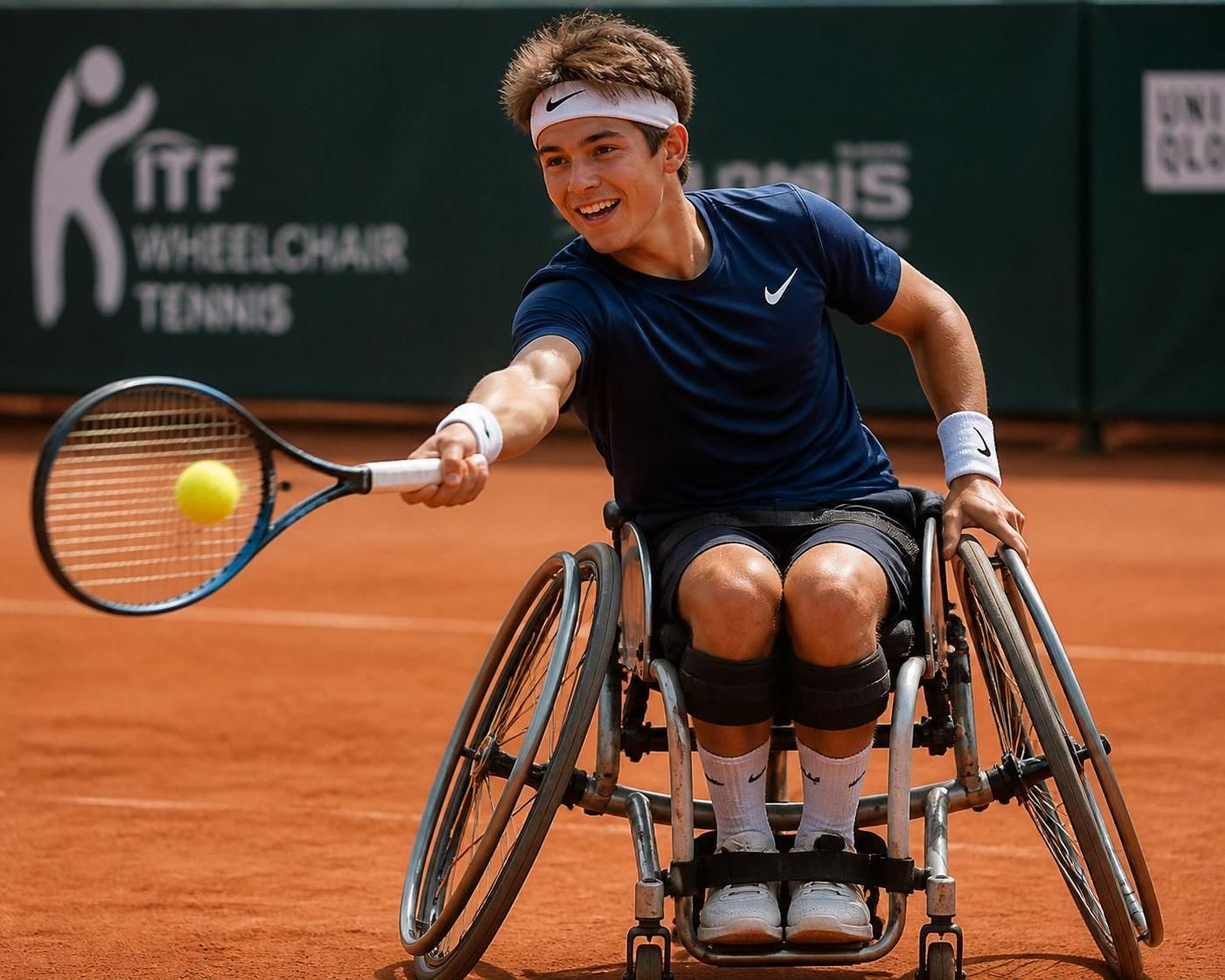
Guichard’s success also stems from the inclusive opportunities fostered by clubs like Saint-Marcellin, which encourage participation across all categories, including those with disabilities. This environment has played a critical role in enhancing his skills and confidence, culminating in his detection at the Blois championship and subsequent inclusion in the national adaptive tennis team. Looking forward, his rigorous training schedule at Creps Poitiers, alongside the national team, positions him well for future international competitions and a sustained sports career.
An Emerging Star in Disability and Adaptive Sports
The recognition of talents such as Corentin Guichard shines a light on the evolving landscape of disability sports in France and beyond. It reflects a broader ambition to integrate athletes of all abilities into competitive frameworks historically dominated by able-bodied formats. This inclusion not only boosts the profile of sports like wheelchair tennis but affirms the commitment to equal opportunity in sporting triumphs.
For those interested in the wider implications and stories within adaptive tennis, the rise of French champions parallels global trends. They echo the momentum of inclusive programs such as those showcased by the Grand Champion Adapted Tennis event, which highlights adaptive sports on an international stage. Corentin’s journey is emblematic of the progress toward comprehensive sports achievements that transcend physical limitations.
Adaptive Tennis: Growing Respect and Competitive Depth in Paralympic Sports
The strategic development of adaptive tennis programs across France mirrors a global tact of elevating Paralympic sports to new heights. Investments in accessible training centers and dedicated coaching—such as Guichard’s preparations at Creps Poitiers—reflect the intensified commitment to nurturing athletic excellence among players with disabilities. These efforts ensure that adaptive tennis gains strategic visibility aligned with traditional tennis tournaments.
Moreover, participation in inclusive sports like adaptive tennis serves as a powerful statement against stigmas associated with disabilities, offering compelling narratives of determination and skill. Through this lens, Corentin’s championship is more than an individual accolade; it is a testament to a broader cultural shift within sports communities embracing diversity and adaptive competition.
From Isère’s local courts to national titles, Corentin Guichard exemplifies the potential of adaptive tennis as a fertile ground for top-tier sports achievements. His story is sure to inspire upcoming players and draw continued attention to the dynamic sector of inclusive sports, providing momentum for the development of similar initiatives in other regions.