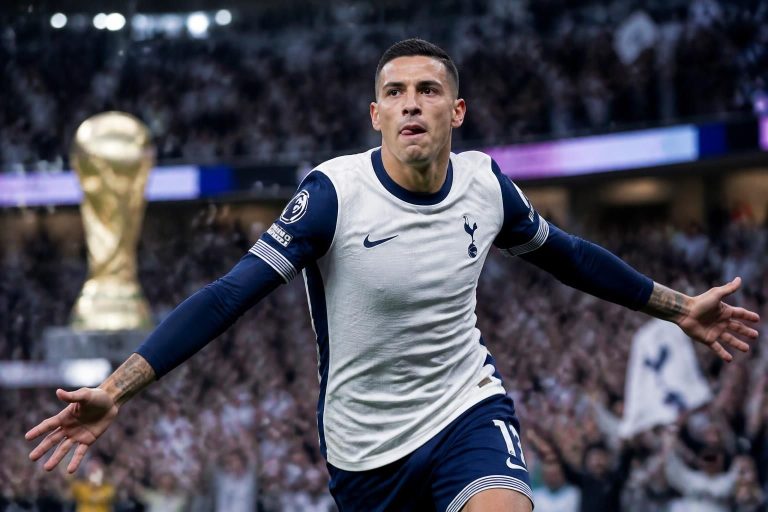
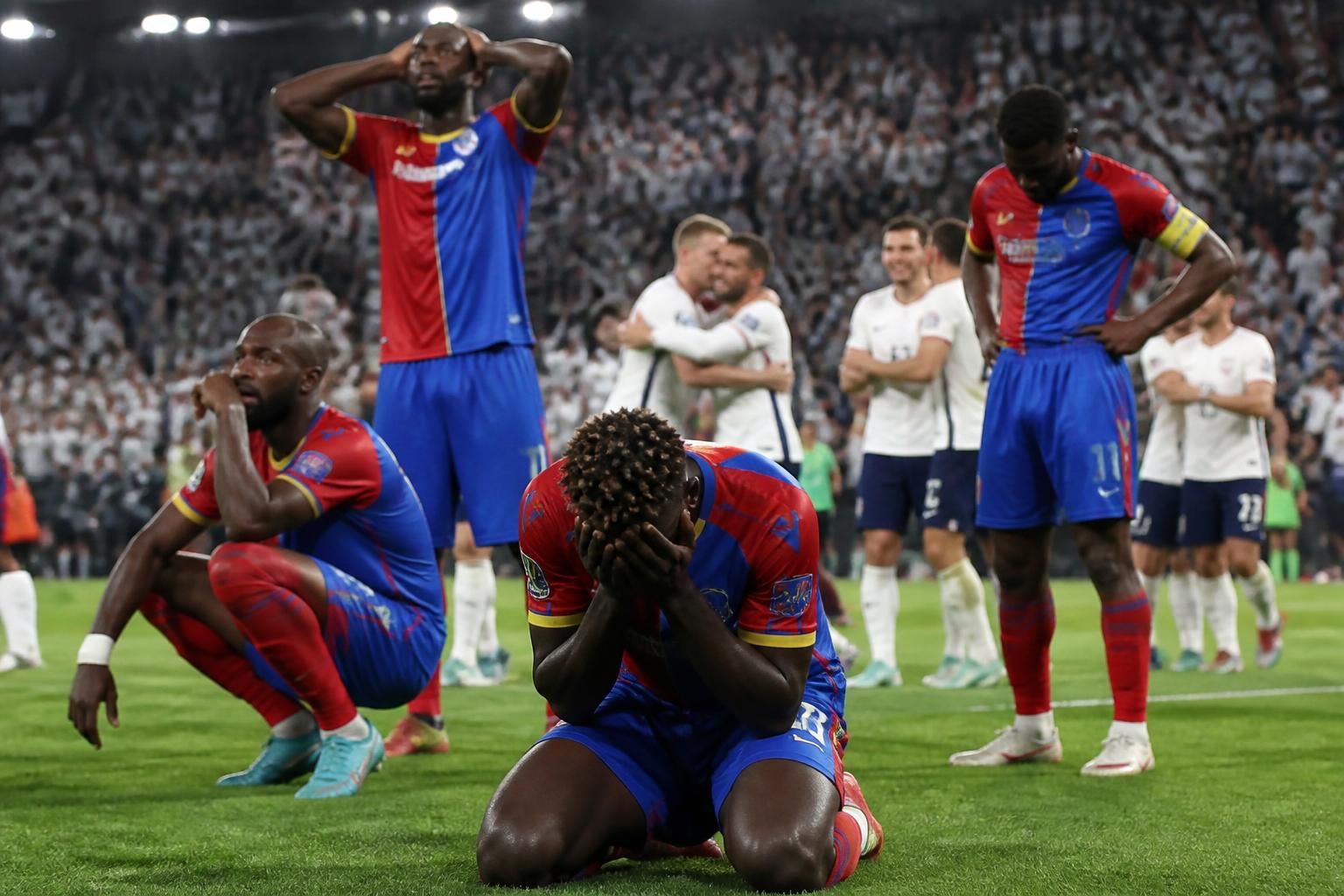
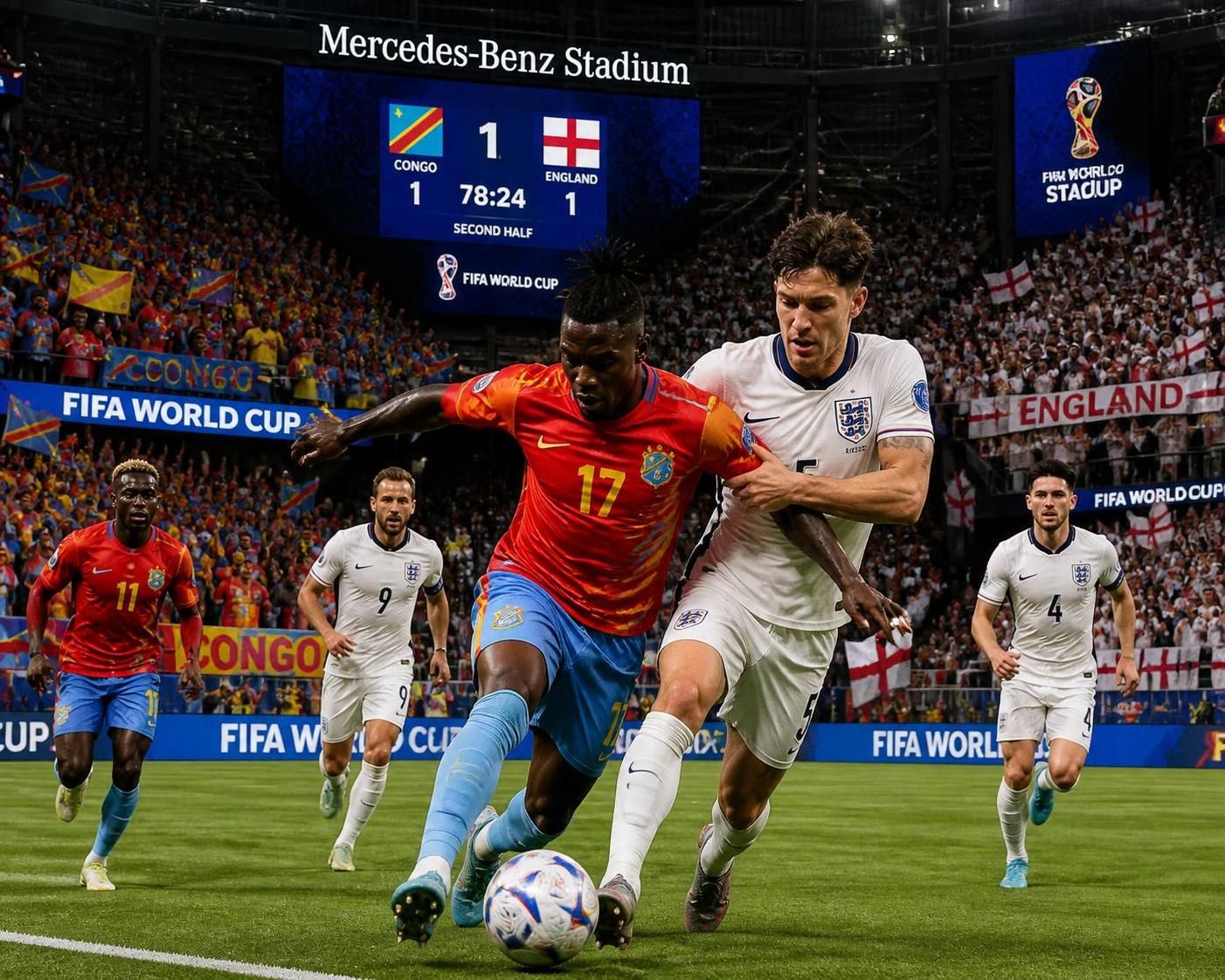
DR Congo’s valiant effort in the World Cup round of 32 against England ended in a crushing 2-1 defeat, casting a shadow over their historic journey in the tournament. The Leopards, making only their second World Cup appearance since 1974, stunned spectators by taking an early lead through Brian Cipenga at the Mercedes-Benz Stadium in Atlanta. Despite numerous chances created by England, goalkeeper Lionel Mpasi stood resolute, repeatedly denying the Three Lions and igniting hopes of a remarkable upset. However, the experience and composure of Harry Kane ultimately proved decisive as he equalized with a powerful header in the 75th minute before delivering the winning blow with a spectacular strike into the top corner eleven minutes later. England’s victory secured their place in the Round of 16 against Mexico, but for DR Congo, the tournament concluded with bittersweet memories: the pride of their first-ever World Cup win and participation in the knockout phase, against the heartbreak of elimination at the hands of a football powerhouse.
In Brief:
- DR Congo secured a shock early lead against England in a fiercely contested round of 32 World Cup match.
- Goalkeeper Lionel Mpasi’s heroics kept England at bay for much of the game.
- Harry Kane’s late equalizer and winner sealed England’s 2-1 comeback victory.
- The match marks DR Congo’s first World Cup win and knockout stage appearance since 1974.
- England advances to face Mexico next in a highly anticipated Round of 16 clash.
- The Leopards leave the tournament with newfound respect but heartbreaking elimination.
DR Congo’s Heartbreaking Exit and Historic World Cup Journey
The World Cup dream for Congo was alive and pulsing through every pass, every save, and every shot during their clash against England. Their journey inspired a nation long sidelined from the global football conversation. Since their turbulent 1974 campaign, where they competed as Zaire with disastrous results, the Leopards’ rise to this stage reflected a remarkable transformation in Congo’s football identity. This tournament, coming amidst ongoing challenges including the Ebola outbreak that strained preparations, saw Congo defy expectations and rekindle ambitions.
Taking the crowd by surprise, Brian Cipenga’s early goal seemed to signal the beginning of a fairy tale. The team’s defensive discipline and Mpasi’s steadfast presence denied England’s offensive pomp, momentarily tipping the scales. Yet, as the clock ticked down, the depth of England’s pedigree, most notably embodied in Harry Kane, came to bear. Kane’s two late strikes not only secured the win but brutally ended Congo’s quest for progression. This match highlighted the fine margins that separate triumph from heartbreak in football’s global tournament.
Harry Kane’s Clinching Moments Define England’s Comeback
England’s road to the next round was far from smooth, with DR Congo’s spirited resistance presenting a formidable challenge. The tournament’s knockout stagedemands resilience, and Kane rose to that challenge spectacularly. His equalizing header in the 75th minute shifted momentum, restoring equilibrium and deflating Congo’s earlier euphoria. Minutes later, Kane’s stunning strike into the top corner was a clinical reminder of his status as a world-class finisher.
Such moments encapsulate why England has been a dominant football force in recent World Cups, a journey extensively analyzed in coverage of Harry Kane’s England World Cup exploits. Their ability to capitalize on critical phases underlines a maturity that often eludes emerging squads like Congo. Although the Leopards showed promise, England’s experienced strike weapon was simply too decisive under pressure.
A Nation’s Pain and Pride in the Face of World Cup Elimination
The emotional rollercoaster extended beyond the pitch. The DR Congo coach Sébastien Desabre endured a double blow; apart from the agonizing defeat, he received news of his father’s death during the post-match press conference. Such heart-wrenching scenes personify the unpredictable human drama intertwined with global football.
Despite the heartbreaking elimination, Congo’s campaign offers invaluable ammunition for future qualification campaigns and tournaments. It underscores the growing quality and professionalism of African teams on the world stage, joining narratives alongside other underdog success stories that enrich the FIFA World Cup storylines.