
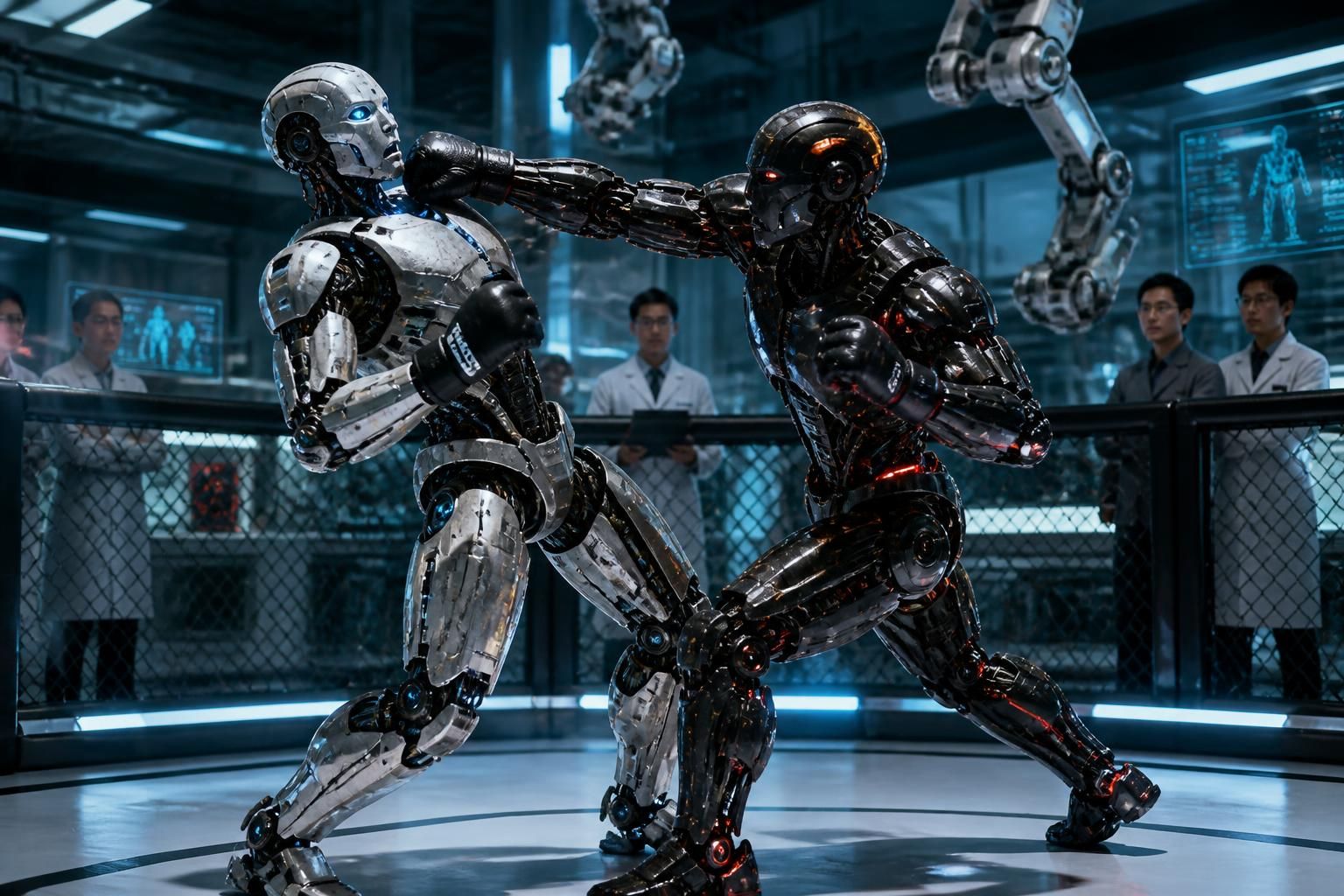
China is breaking new ground in the world of robotics and MMA by hosting a groundbreaking tournament where humanoid robots battle it out in a full-size MMA octagon. This event, held in Shenzhen, showcases not only the physical prowess of these mechanical fighters but also the sophisticated technology behind them — from advanced sensors and motion control to neural networks and AI decision-making. The Ultimate Robot Knock-out Legend (URKL) competition is more than a spectacle: it’s a laboratory of the future, pushing the boundaries of combat innovation and laying the groundwork for domestic robots that can learn, adapt, and respond in real-time. In a jaw-dropping match, one robot literally lost its head but kept fighting, a testament to how these machines integrate strength with remarkable adaptability. As combat sports demand full-body coordination and upper-limb capabilities, this robotics MMA cage fight provides a crucial testing ground for evaluating robot performance beyond mere power, delving into their cognitive agility and learning capabilities.
Quick Glance at the China Robot MMA Revolution 🤖🥊
🔥 First-ever full-scale humanoid MMA fight held in China’s Shenzhen city.
🔥 Robots equipped with cutting-edge sensors and AI algorithms engage in octagon-style combat.
🔥 One fighter lost its head during a brutal match yet demonstrated unparalleled learning and adaptability.
🔥 Event serves as a tech laboratory to develop next-generation domestic robots.
🔥 Ultimate Robot Knock-out Legend competition pushing robotics innovation like never before.
🔥 MMA provides a demanding environment to test robots’ coordination and intelligence.
How China’s Octagon Became a Laboratory for Next-Gen Robotics
When we think of MMA, human fighters usually come to mind, but China’s innovation turns that idea inside out. The URKL tournament in Shenzhen is far more than entertainment — it’s a live testbed for robotics technology in an intense combat environment. Here, the robots’ movements aren’t just pre-programmed punches or kicks; they involve real-time sensor inputs allowing complex motion control and strategic decision-making. Through the crucible of this octagon, engineers analyze how robots adapt to unexpected situations, such as damage or sudden changes in opponent behavior.
One standout moment was when a humanoid robot lost its head during a match but still managed to continue fighting effectively, showcasing the resilience and adaptability built into AI systems. This scenario vividly proves that these machines aren’t just about brute force; their algorithms learn on the fly, adapting tactics and improving responses, which is a leap forward in robotics combat. Moreover, this environment replicates the intense coordination required in any MMA fight — involving whole-body movement and precise upper limb control — offering invaluable data to enhance future domestic robotic companions.
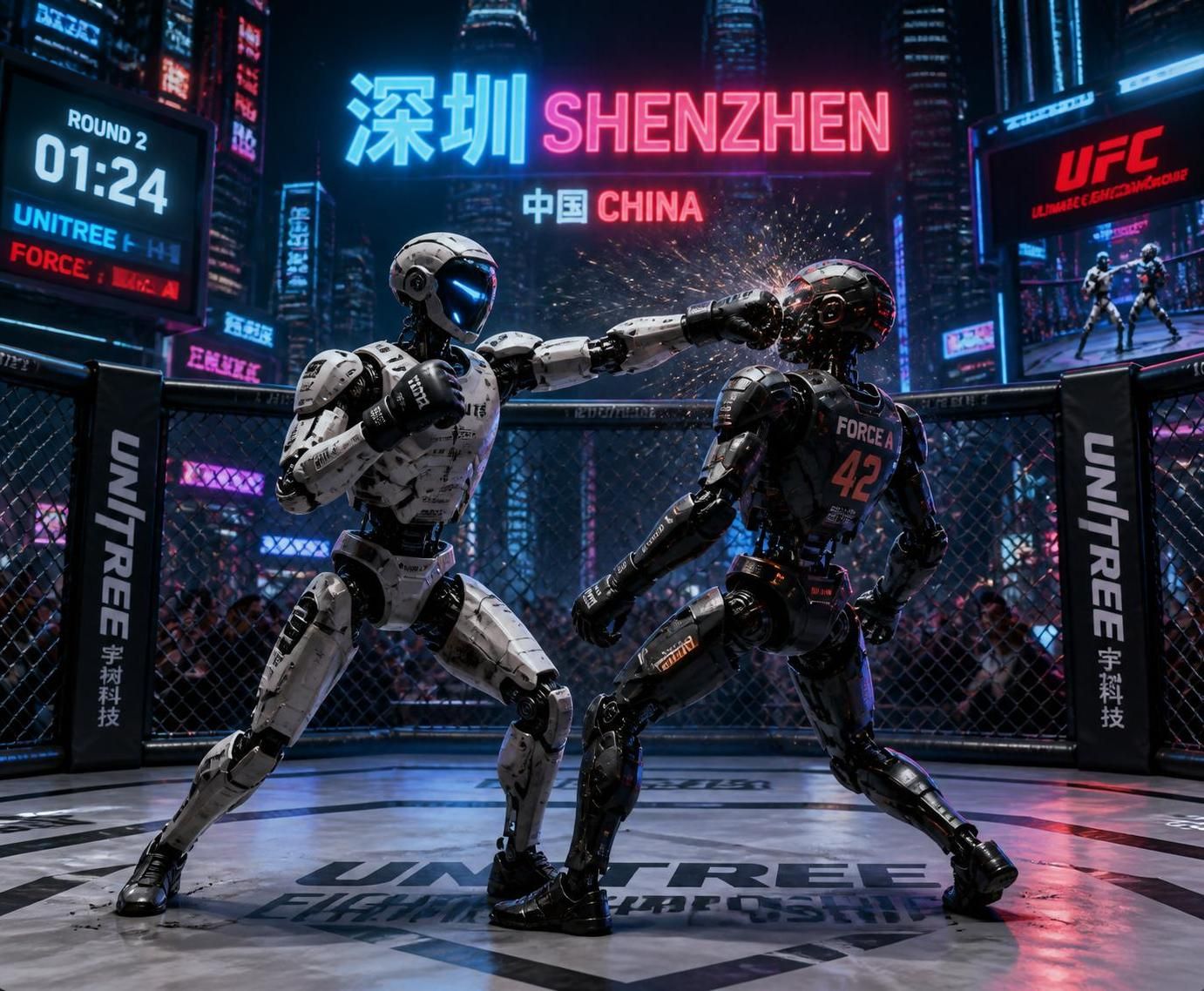
Harnessing MMA’s Physical Demands to Advance AI and Robotics
Mixed martial arts demand a unique blend of agility, power, and mental adaptability, making it an ideal platform to test and refine robotic performance. According to experts like Tian Feng, the former dean of SenseTime’s Intelligence Industry Research Institute, fight sports present massive challenges to coordination spanning the entire body and particularly the upper limbs. This complexity pushes the development of AI models that not only control precise motor actions but also implement sophisticated learning strategies under pressure.
The URKL competition isn’t just a showcase of robotic strength but a deeper investigation into how robots apply neural networks to learn and adapt mid-bout. It’s a glimpse into the laboratory that’s shaping the future of robotics—domestic bots that intuitively respond and adjust to humans in unpredictable environments. Here, MMA serves as the ultimate proving ground, moving beyond traditional lab tests into dynamic, high-stakes combat scenarios that influence robot design and AI sophistication on a grand scale.
From Octagon to Home: What Robot MMA Means for the Future of Technology
This collision of robots in the MMA octagon reflects more than just a novel tournament; it’s a milestone in technological innovation and robotics. The lessons learned in Shenzhen ripple far beyond the combat arena. By pushing robotic systems to their limits through intense physical bouts, engineers gain insights essential for crafting smarter, more capable robots for everyday life. The innovations in sensor technology, movement control, and AI learning fed by the competition directly inform how domestic robots of tomorrow will navigate complex human environments.
To witness one fight that ended with a robot still operating despite decapitation spells a shocking yet exhilarating reminder: these machines embody an extraordinary fusion of strength and cognitive flexibility previously unseen. The ongoing development of robots capable of real-time decision-making and adaptation signals a future where robotics and MMA could co-evolve, inspiring technology that’s as resilient as it is intelligent.