
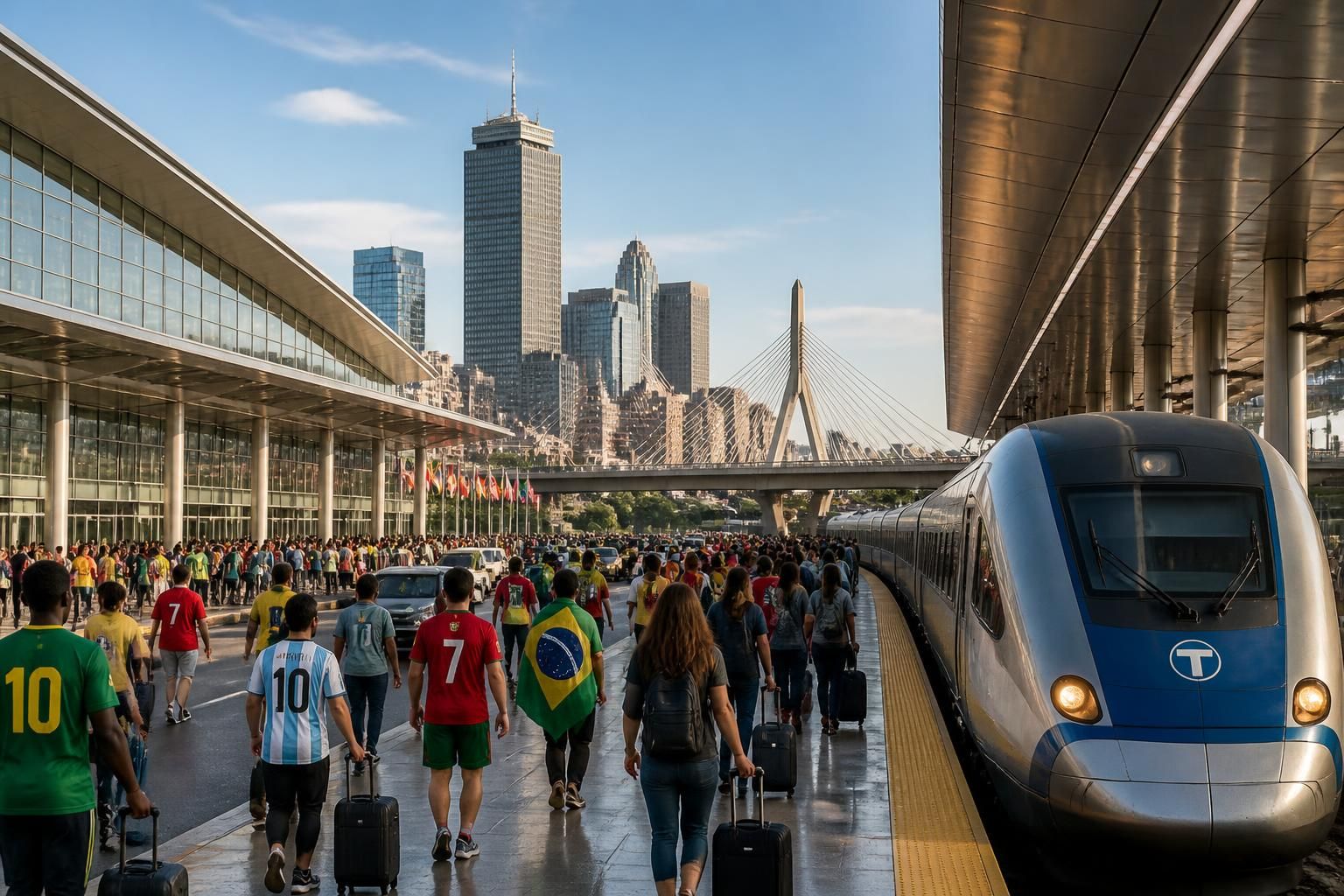
Boston is gearing up to host seven exhilarating matches for the FIFA World Cup 2026, setting the stage for a summer filled with electrifying football action. Situated about 22 miles south in Foxborough, the iconic Gillette Stadium — known locally as Boston Stadium for the event — becomes the epicenter of global soccer. For fans planning to immerse themselves in the spectacle, understanding the ins and outs of travel and transportation logistics is absolutely crucial for a smooth experience. From limited train tickets that promise direct access, to navigating Boston’s public transit system, every detail counts as the city anticipates an influx of passionate supporters hungry for world-class events.
As preparations surge ahead, FIFA and local organizers have established dedicated Boston Stadium Train services to whisk fans directly from downtown Boston’s South Station to the stadium and back, a one-hour journey that underlines convenience amid the excitement. Yet, public transit options like subway and bus don’t extend directly to the stadium, a point that highlights both strategic planning and inherent challenges of moving tens of thousands of spectators efficiently. Accommodation seekers will find Boston’s rich tapestry of historic charm blended with modern hospitality an attractive magnet, but they’ll want to book early given the surge that such a colossal event brings. Meanwhile, ticket availability, particularly for group stage matches, is tightly controlled via mobile apps, underscoring the need for advance planning.
Beyond the stadium, the Greater Boston area invites fans to soak up local culture and history, easily reachable through the well-oiled MBTA network and even ferry services. For those aiming to explore on a grander scale, connections to Amtrak trains offer a gateway to other major cities. Overall, the 2026 World Cup isn’t just about the games themselves; it’s a comprehensive travel experience where every leg of the journey is carefully woven to meet the demands of a truly global sports spectacle.
Efficient transportation options for the Boston FIFA World Cup 2026 matches
With the spotlight firmly on Gillette Stadium, the logistics of moving fans safely and swiftly take center stage. The unique Boston Stadium Train service is your primary lifeline on matchdays, shuttling spectators nonstop from South Station to Foxboro Station right next to the stadium. These express trains run only on the day of games and tickets are limited and exclusive to holders of valid World Cup match tickets — no walk-ups allowed. At $80, each ticket includes a return trip, but don’t expect last-minute availability; these digital tickets are already on sale for group stage matches and will be released for knockout rounds nearer the dates.
Each train ticket assigns you a boarding group from A to E, dictating your arrival time at South Station to streamline the boarding process. Accessibility isn’t an afterthought either — all stations and trains are fully accessible, with paratransit services like The RIDE assisting those with disabilities for seamless stadium access. However, Boston’s subway and bus networks don’t serve Gillette Stadium directly, placing the onus on this dedicated train line and private transport options. Fans are strongly advised to activate their tickets in the mTicket app on matchday and strictly adhere to boarding times to avoid chaos in what promises to be an immensely busy setting.
Practical tips for smooth matchday transit
The pre-match experience starts with careful preparation: only small clear bags or wallets are allowed onboard the Boston Stadium Trains, matching stadium security protocols to keep everyone safe. Late arrivals at South Station risk missing their assigned train, which departs about 90 minutes before kickoff to provide ample time for stadium entry. After the final whistle, return trips begin 30 minutes later and run every 15 minutes until the crowd is cleared, with connections at South Station available until early morning — a blessing for fans out to relish victory or reflect on the drama.
For international and domestic visitors flying into Boston, Logan International Airport stands as a well-connected gateway, with straightforward access to Boston’s transit system. Once in the city, navigating accommodation options near South Station, downtown, or even in Foxborough, can be the ticket to a stress-free World Cup journey. With the event’s scale, hotels and rentals are filling fast — securing places close to transportation hubs enhances your flexibility to catch multiple matches or explore local attractions during downtime.
Exploring Boston beyond the stadium during the World Cup
Boston’s rich history and vibrant neighborhoods offer a perfect contrast to the high-energy pulse of the World Cup. Fans can effortlessly hop on the MBTA subway, bus, or ferry to discover iconic sites like the Freedom Trail, Boston Common, and waterfronts. Those craving more can link their journey to Amtrak trains departing from central Boston stations, connecting to other soccer hotspots and major East Coast cities. Featuring dedicated paratransit services, Boston’s transit system ensures inclusion for all fans, allowing those with accessibility needs to join the celebration fully.
The city’s infrastructure has evolved with the World Cup in mind, balancing the influx of global visitors with sustainable urban mobility. This is not just about catching matches at the stadium; it’s about embracing a multifaceted experience that Boston’s unique culture and hospitality bring to light during this world-class football tournament. Curious fans might want to delve into detailed listings and comparisons of all host venues on platforms recapping World Cup 2026 locations or dive deeper into the distinctive atmospheres of participating cities via this insightful guide.
Latest updates on tickets and fan zones
Ticketing remains a critical focus as World Cup fever heats up. The mTicket system is now the official portal for acquiring Boston Stadium Train tickets, which provides a seamless digital experience and reduces scalping risks. Fans should keep updated on sales opening for knockout rounds. Meanwhile, Boston’s vibrant fan zones will host lively gatherings, live screenings, and cultural exhibitions, extending the World Cup spectacle beyond the pitch. These zones will be well-integrated with public transport, ensuring no one misses a moment.