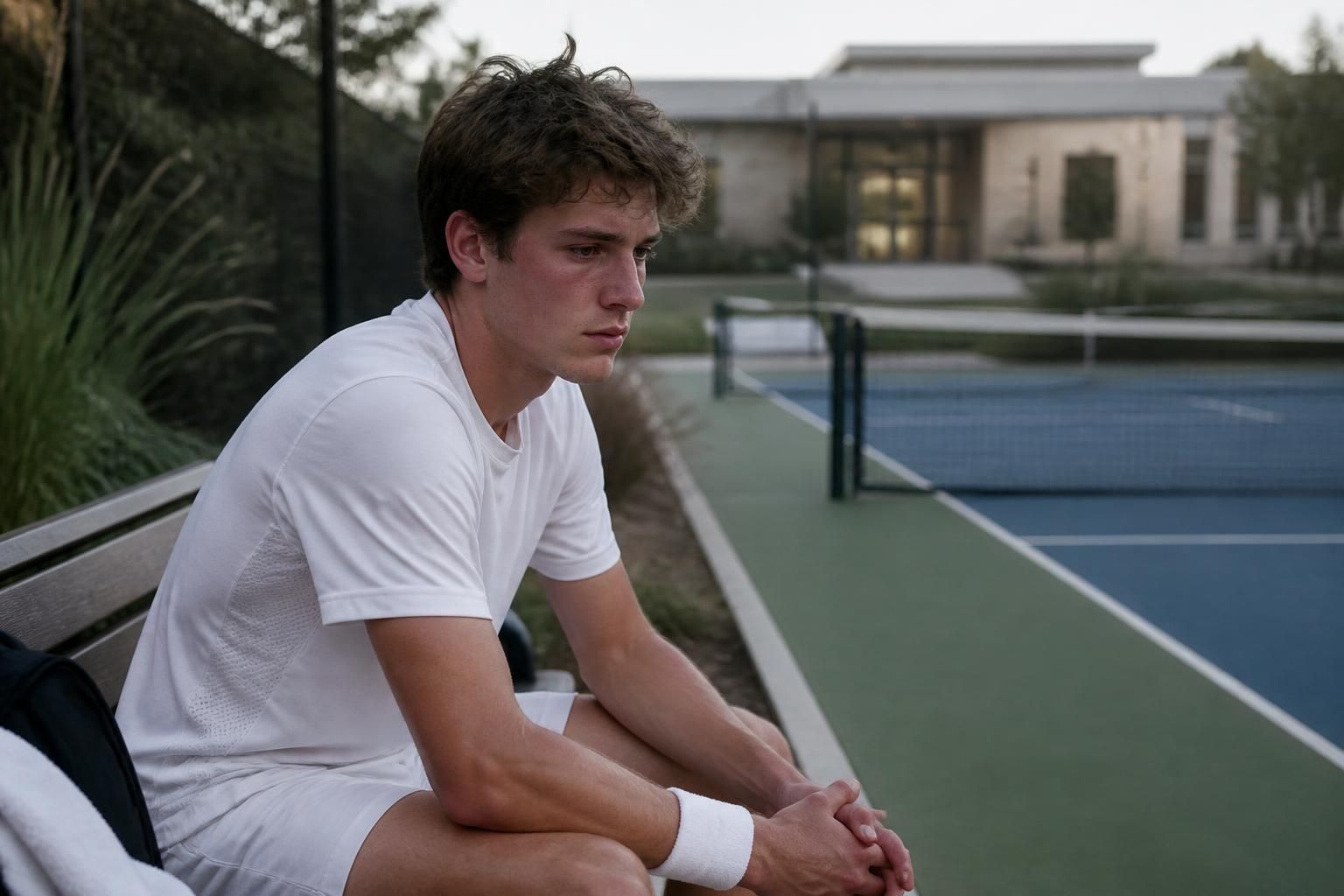
Loïs Boisson’s journey through the highs and lows of professional tennis has taken a challenging turn, marked by a grueling struggle with injuries and recovery. After an impressive breakthrough as a Roland-Garros semi-finalist in 2025, the 23-year-old French talent has found herself more entangled in rehab sessions than thrilling moments on the court. Her recent candid message on social media sheds light on the relentless battle she’s waging—not just against physical pain but mental fatigue marked by anxiety and doubts. This period away from competitive tennis has been frustrating, sparked by a misdiagnosed wrist condition and a knee hyperextension suffered at Wimbledon. Now ranked 292nd globally, Boisson remains determined, viewing these setbacks as painful but essential steps toward growth and a hopeful comeback. As she prepares for the WTA 1000 event in Toronto, all eyes will be on her effort to reclaim the fiery tennis that once captivated fans.
In brief:
- 🏥 Loïs Boisson admits to spending 18 out of the last 26 months in rehab, coping with injuries including a misdiagnosed wrist tendon inflammation and knee hyperextension.
- 🎾 The former Roland-Garros semi-finalist’s ranking has dropped to 292, reflecting her absence from tournaments and injury struggles.
- 💪 Despite setbacks, Boisson remains positive, embracing rehab and mental health challenges as part of her growth.
- 🎯 She aims for a strong return at the Toronto WTA 1000 tournament, starting with qualifying rounds.
- 🧠 Her story highlights the mental toll and anxiety athletes endure during injury recoveries, a vital aspect often overlooked in sports reporting.
The hidden battle behind Loïs Boisson’s enforced absence from tennis courts
While tennis fans recall Loïs Boisson dazzling at Roland-Garros, few truly fathom the severity of the physical hurdles she’s been confronting since her peak in 2025. The seven months sidelined due to a misdiagnosed wrist inflammation, termed the “syndrome du croisement”, alongside an aggravating knee injury sustained at Wimbledon, have translated into 18 months of rehab over just 26 months. Such a severe toll on any athlete’s body wouldn’t go unnoticed, yet the mental strain it imposes is equally crippling. Boisson shares a raw admission about enduring anxiety, doubts, and a persistent feeling of injustice—sentiments no doubt exacerbated by her disciplined approach to training and commitment to her sport.
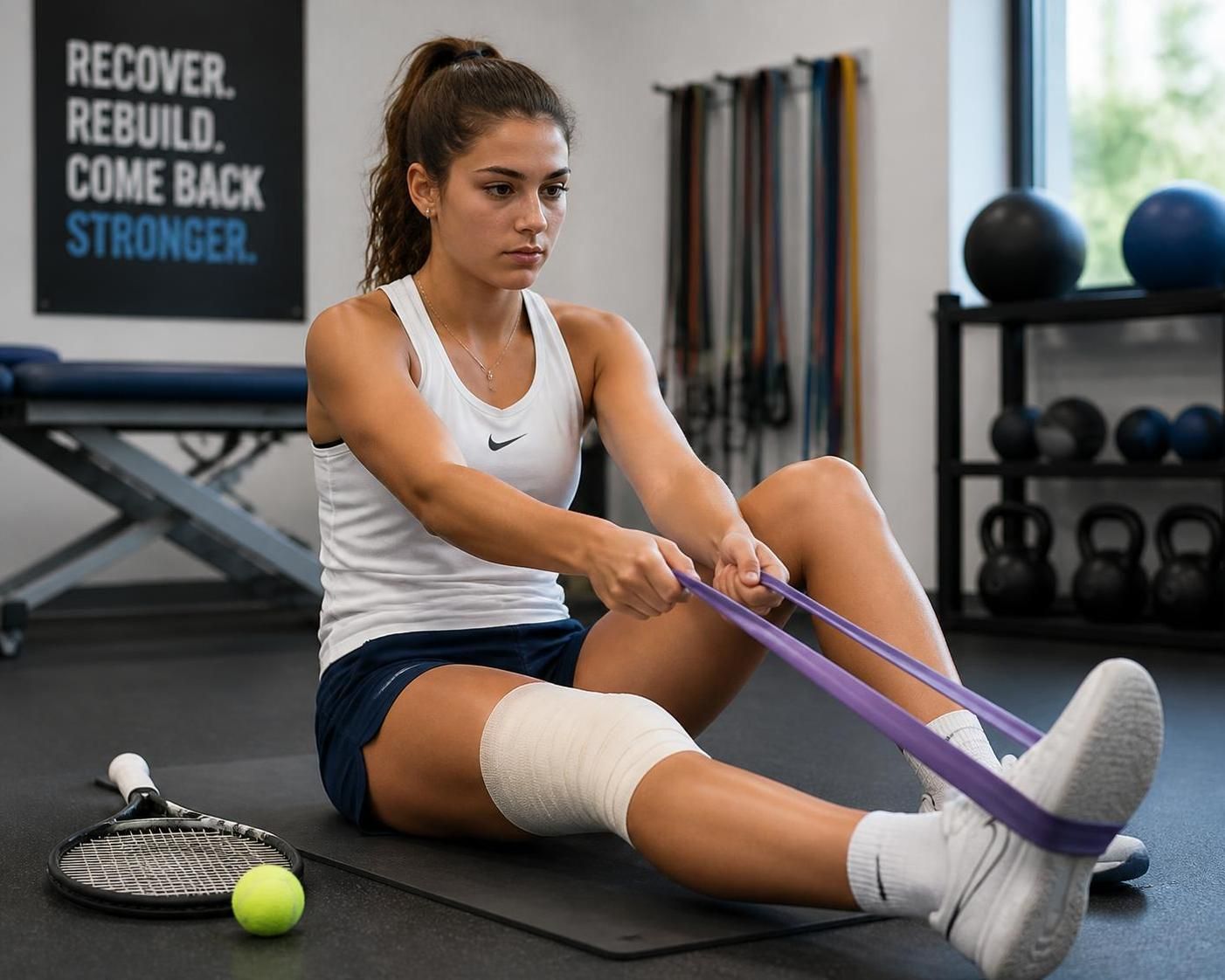
A career stalled by injuries and misdiagnoses: the high cost of recovery
It’s evident that the physical side of Boisson’s setbacks stems from both injury severity and medical oversight. The delayed diagnosis of her wrist tendon inflammation not only extended her absence but also compounded the complexity of her recovery process. Given the stakes of professional tennis today, where each match impacts rankings and earnings, her drop to 292nd in the world standings underscores how unforgiving the tour’s dynamics are. She missed opportunities, such as withdrawing from the Hamburg Open following her Wimbledon setback, severely limiting her ability to defend previously won ranking points. Here, we witness the devastating cascade effect an injury can have—slumping rankings, lost confidence, and potential sponsorship impacts.
Rehabilitation, mental health, and the quest for a comeback on the WTA Tour
What Boisson’s recent reflections emphasize is the integral role of mental health in an athlete’s rehab journey. The anxiety and relentless questioning of “why me?” resonate far beyond her case, touching on a broader conversation about the psychological toll of injury in elite sports. She recognizes the pain but also tries to pivot toward positivity, framing these difficult episodes as parts of her path to maturity and discovery—learning how to understand her body and mind better to optimize future performance.
Her planned return at the WTA 1000 tournament in Toronto will not just test her physical readiness but her resilience and hunger for competition after prolonged absence. With her protected ranking at 37, a provision designed to ease her path into main draws post-injury, the stage is set for a pivotal chapter in her career. This determination to push forward, despite the setbacks, aligns with inspiring sports comebacks seen in other disciplines, such as MMA and rugby, where athletes battle through injuries and mental struggles to reclaim glory (MMA comebacks) or bounce back from significant surgeries (rugby surgery).