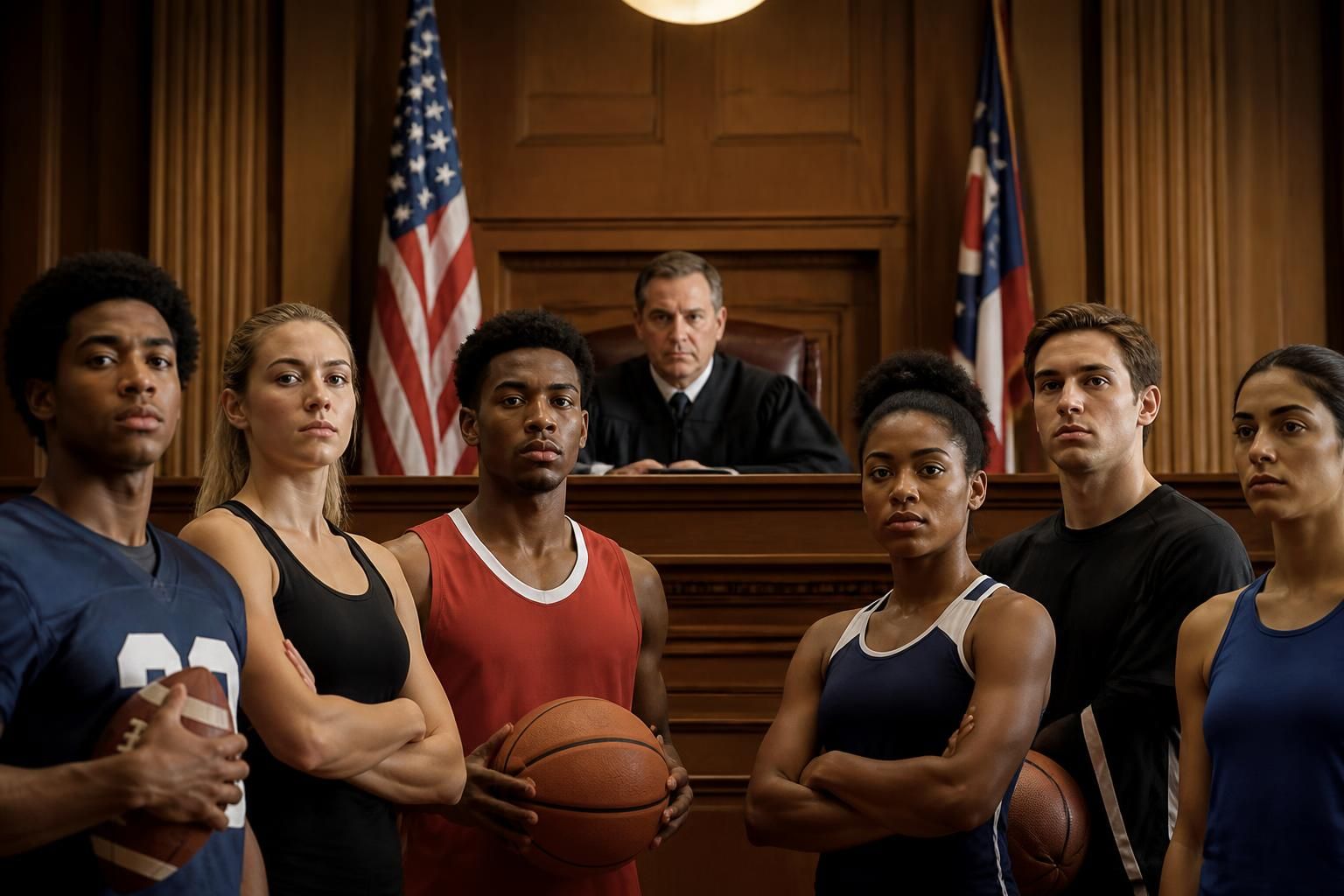
In a landmark decision that has sent ripples through college basketball, an Ohio judge has granted a preliminary injunction supporting 24 men’s and women’s college basketball players in their lawsuit against the NCAA’s new eligibility rules. 🏀⚖️ These athletes argue that the NCAA’s recently introduced age-based eligibility model unfairly cuts them off from competing beyond their fourth season, particularly targeting the graduating class of 2022. The court’s injunction now allows these players to enter the NCAA transfer portal and potentially play a fifth season, challenging the NCAA’s attempt to tighten eligibility restrictions.
This legal move follows the NCAA Division I Cabinet’s controversial overhaul of eligibility rules, which now limits athletes to five seasons of competition over five years starting with either full-time enrollment or after their 19th birthday. The ruling highlights the arbitrary nature of these new limits, with Judge Christopher Wagner condemning the NCAA’s policies as “arbitrary and capricious” and warning of “irreparable injury” to the players involved if the injunction wasn’t granted. 🚨 The NCAA, for its part, calls this decision “wrong” and signals an immediate appeal, while also pushing for Congressional action to stabilize college sports.
With major conferences like the Big Ten and Southeastern opposing certain legislative reforms designed to standardize eligibility, the conflict is far from resolved. This injunction not only gives these athletes a fighting chance but also questions the NCAA’s role and governance in college sports — shaking the foundation of how player eligibility is regulated nationwide. The road ahead seems set for a fierce battle over fairness, athlete rights, and the future of college basketball eligibility rules. 🏆
Ohio Judge Backs Athletes in Legal Battle Over NCAA Eligibility Rules
The decision by Hamilton County Judge Christopher Wagner to grant a preliminary injunction marks a significant legal pushback against the NCAA’s revised rules. These changes, approved by the NCAA Division I Cabinet, now impose an age-based restriction that effectively ends eligibility after five years from enrollment or age 19. The lawsuit, brought forward by 24 college hoops players who graduated high school in 2022 and never redshirted, asserts that the NCAA’s new framework unfairly blocks them from pursuing a fifth season. 🏀
Judge Wagner’s pointed criticism of the NCAA in his written decision sheds light on the disconnect between college sports governance and athlete welfare. He described the NCAA less as a volunteer association and more as a “highly profitable professional sports league” — a stinging indictment that questions the fairness of how amateur athletics are managed. The ruling specifically called the NCAA’s application of these rules “arbitrary and capricious,” emphasizing that denying these athletes a fifth year would cause “irreparable injury.”
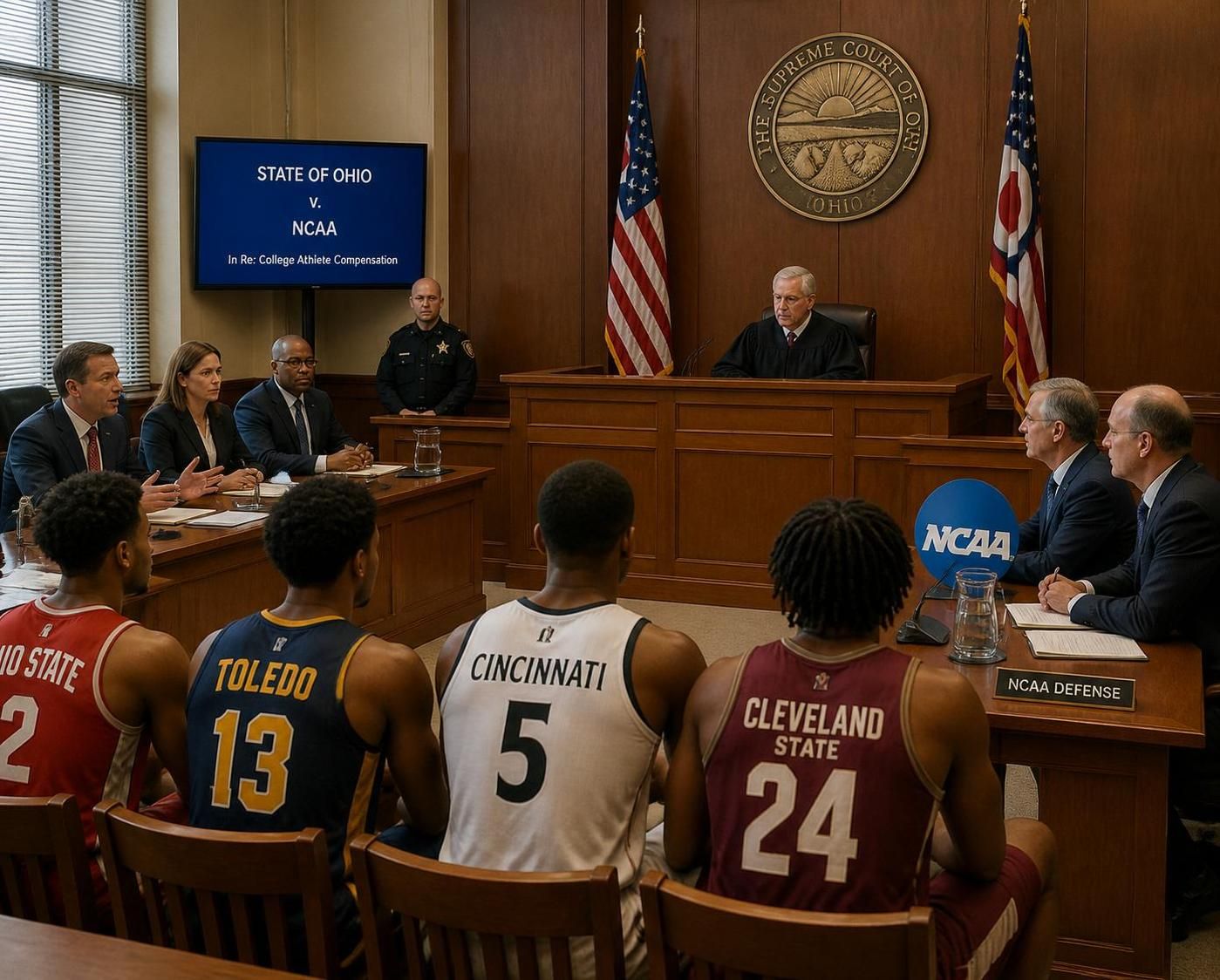
The Chalkboard Challenge: NCAA Eligibility Rules Under Fire
While the NCAA promotes the update as a way to streamline eligibility and eliminate complications like redshirts and waivers, it comes at a significant cost. Under the new policy, pre-existing eligibility expiration—based on the traditional four seasons in five years—offers no grandfathering, effectively barring these athletes from playing again. The exceptions for religious missions, pregnancy, and military service do little to soften the blow for injured athletes, who in past cycles could petition for an extension.
Attorney Ryan Downton, representing the plaintiffs, sees this ruling as a call for the NCAA to reconsider and extend eligibility opportunities to all similarly situated athletes from the 2022 class across all NCAA sports. The cohort affected feels particularly wronged, having planned their athletic careers under previous eligibility expectations and suddenly finding themselves sidelined. 🚫
NCAA’s Tough Stance and the Fight for Legislative Support
The NCAA’s swift response was to denounce the ruling as misguided and to pledge an immediate appeal, emphasizing the institution’s reliance on longstanding precedent and institutional expertise. Yet, the ruling and the ensuing uproar underscore the need for legislative clarity. The Protect College Sports Act, moving through Senate committees despite resistance from powerhouse conferences like the Big Ten and SEC, aims to bring stability and fairness to college sports eligibility standards. 🔥
This legal challenge adds fuel to the debate about athlete rights, compensation, and competition fairness, key issues that have dominated college basketball discussions in recent years. With the transfer portal now a pivotal feature in NCAA sports, this injunction elevates the stakes for both players and institutions far beyond just one sport season.