
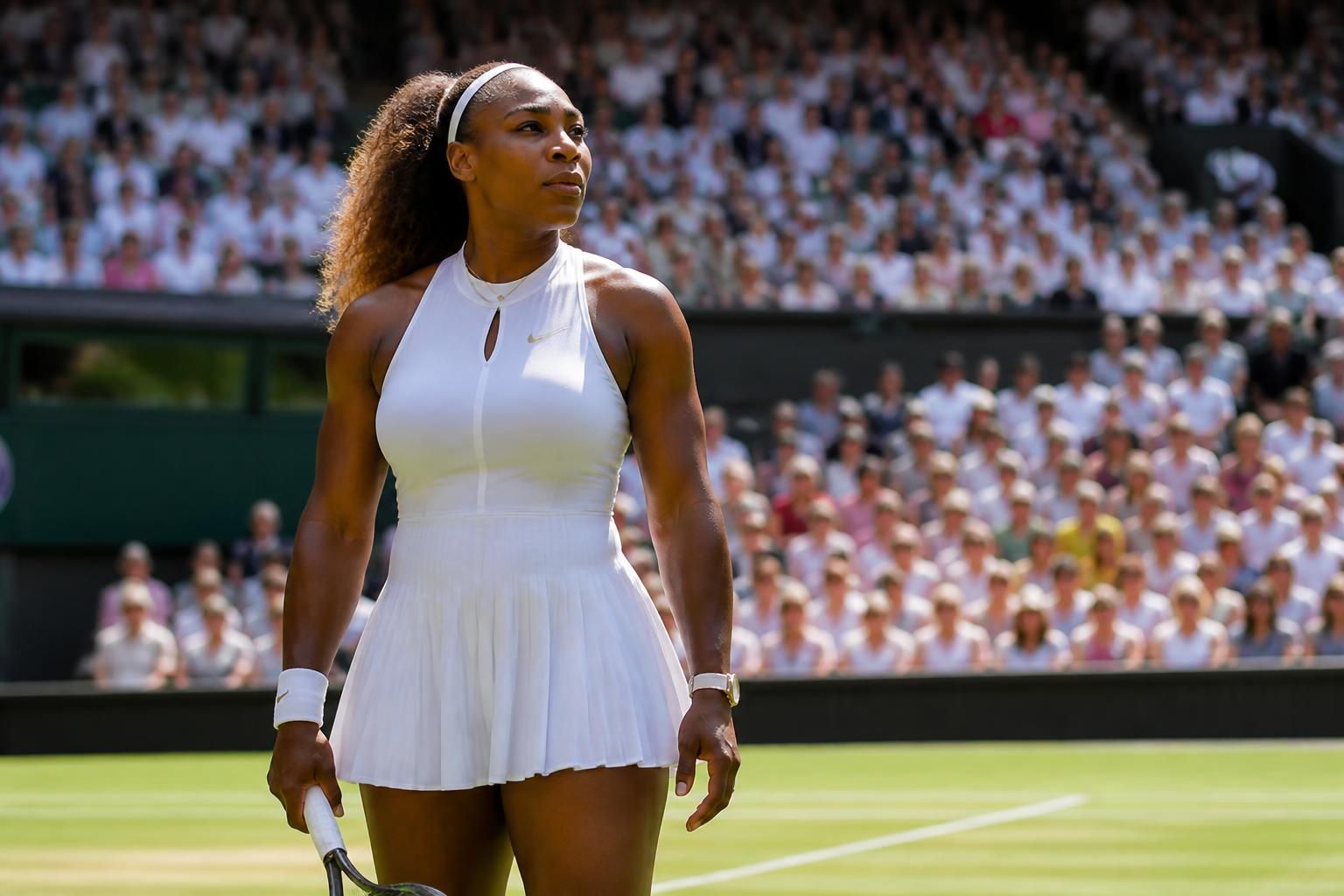
Serena Williams’ return to professional tennis at Wimbledon in 2026 has sparked waves of excitement and curiosity around the sports world. Four years after stepping away from the court following the 2022 US Open, where she was defeated by Ajla Tomljanovic, Serena is back—not just to play, but to compete at the highest level once again. At 44 years old, the legendary athlete is not only participating in singles competition but also teaming up with her sister Venus in doubles, despite lacking a current WTA ranking. This comeback is as emotional as it is historic, reminding us all why Serena remains a towering figure in tennis. From a strategic choice to wield the same Wilson racket from her pre-retirement days to her openly expressed motivations relating to family and passion for the game, her return is as multifaceted as it is genuine.
Here’s what you need to know about Serena Williams’ remarkable journey back onto Wimbledon’s iconic grass courts:
Why Now? The Motivation Behind Serena Williams’ Tennis Comeback at Wimbledon
Serena Williams has never been about fading quietly into the background, and her return is no exception. Her declaration that “the grass has given me some of the most memorable moments of my career” highlights the deep connection she holds with Wimbledon’s courts. Unlike a mere nostalgic stroll, this comeback is charged with a competitive edge. Having amassed an astounding 73 singles titles, including 23 Grand Slam victories between 1999 and 2017, Serena could have rested on any legacy pedestal. Yet, her drive remains palpable.
The tennis legend’s decision isn’t just a personal victory lap but is also tied to family inspiration—her children witnessing her in action and the irreplaceable thrill of high-level competition. Her candid reflections emphasize that the journey is about relishing the atmosphere and rigor she has known her entire life, not merely the accolades. As she put it, “being an athlete at the highest level is the best thing you can be,” and the chance to do it once more fuels her comeback spirit. This sentiment aligns with the growing narrative around Serena’s career revival, punctuated by the wildcard doubles entry with Venus that created a media frenzy even before her singles debut.
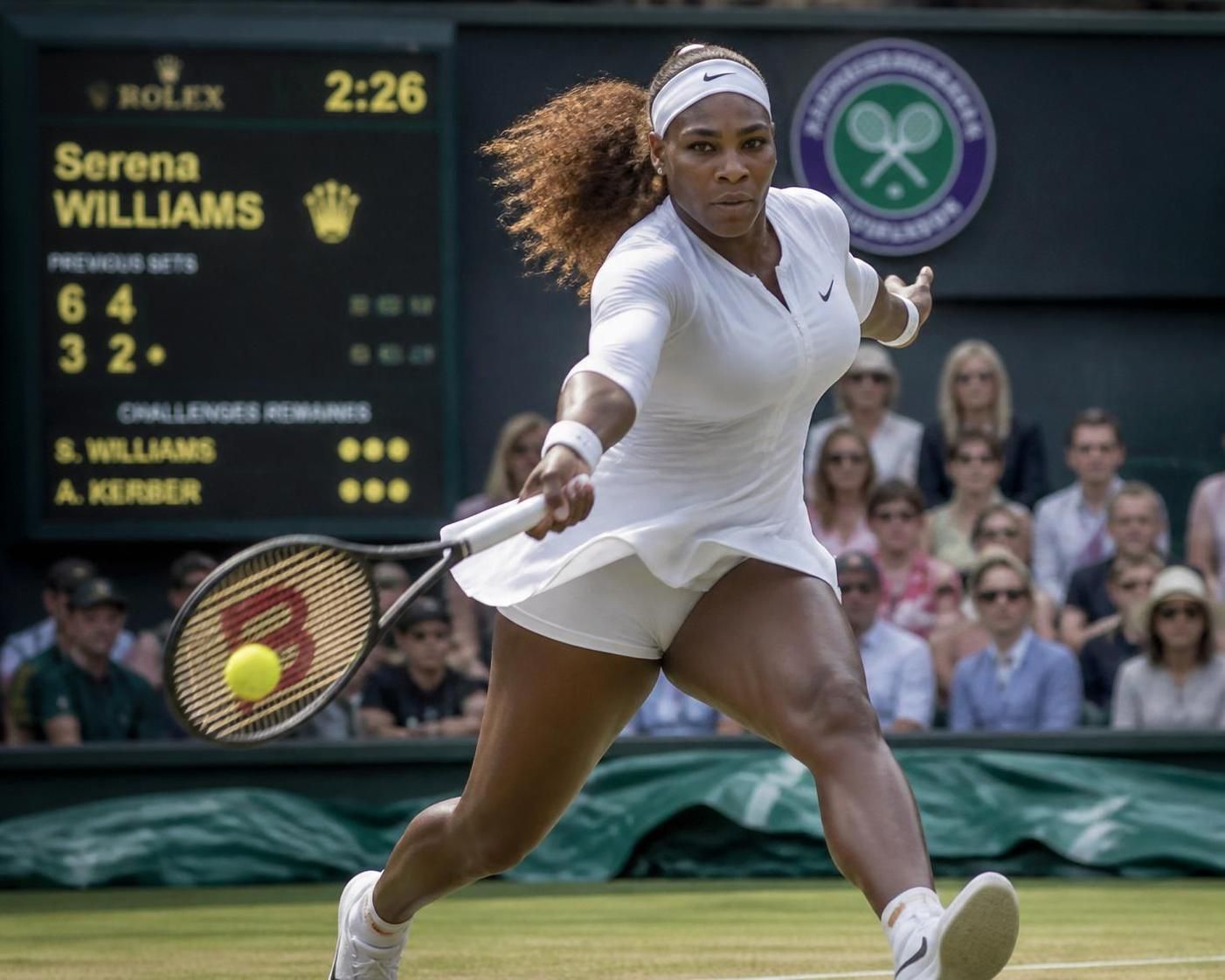
Reentering the Competition: Challenges and Expectations for Serena Williams at Wimbledon
Serena’s comeback faces its trials: no WTA ranking, years away from singles competition, and a younger generation reshaping the ATP and WTA Tour landscapes. Yet, her approach is smart and measured. By choosing to keep the same Wilson racket from her last professional matches, her team believes she’s tapping into a familiar setup to ensure smooth reentry into competitive tennis. The choice reflects a focus on comfort and consistency rather than radical change, underscoring her understanding of what it takes to compete effectively after a long hiatus.
Fans and critics alike watch keenly to see how the seven-time Wimbledon singles champion will navigate these hurdles. The stakes are high, but so is interest. Serena’s presence enhances the tournament’s prestige and elevates attention on the ongoing shifts in tennis’s competitive hierarchy. Her participation even raises questions about the impact of athletes who return later in their careers, challenging traditionally held views on sports longevity and performance. Meanwhile, Serena’s doubles partnership with Venus at Wimbledon adds a nostalgic yet competitive element that amplifies the family dimension of this comeback.
Serena Williams’ Return: A Statement Beyond the Scoreboard
The competitive element is undeniable, but Serena’s return transcends mere wins or losses. It’s about legacy, resilience, and the profound emotional ties woven through her career. Statements from former players like John McEnroe suggest that Williams’s motivation is singular and ambitious—returning not just to play but to contend for another Grand Slam title. This sentiment energizes expectations but also puts a spotlight on how extraordinary her journey remains, especially as she balances motherhood with elite athleticism.
Serena’s reappearance at Wimbledon serves as a reminder that the sport is as much about spirit and personal meaning as it is about rankings and titles. Her presence challenges the norms of professional tennis, inspiring athletes and fans alike to rethink their assumptions about the arc of a sports career. It also intensifies the narrative around Wimbledon 2026, making it not only a competition but a stage for a historic comeback.
Building Momentum: What Serena Williams’ Comeback Means for Tennis in 2026
As Wimbledon unfolds, Serena Williams’ presence is a catalyst for renewed enthusiasm within the tennis world. Her comeback story intertwines with ongoing updates in player rankings and tournament results, energizing discussions about the future of both women’s and men’s tennis circuits. With a legacy marked by 14 Grand Slam doubles titles and an Olympic singles gold medal, Serena’s continuing journey reminds us that sports careers don’t have to follow a fixed timeline.
Moreover, Serena’s dynamic return aligns with broader developments in tennis, such as emerging stars shaking up the WTA top 10 and notable withdrawals affecting tournament draws. Observers can track how Serena’s performance might influence rankings, player confidence, and the competitive landscape. For fans eager to dive deeper into tennis news, this comeback enriches the dialogue about what it means to compete and succeed at any stage, reaffirming why Serena Williams remains iconic.
For more insights on Serena Williams’ journey and broader tennis developments, check out the detailed coverage on her Wimbledon return and the exciting dynamics leading up to tournaments in 2026.