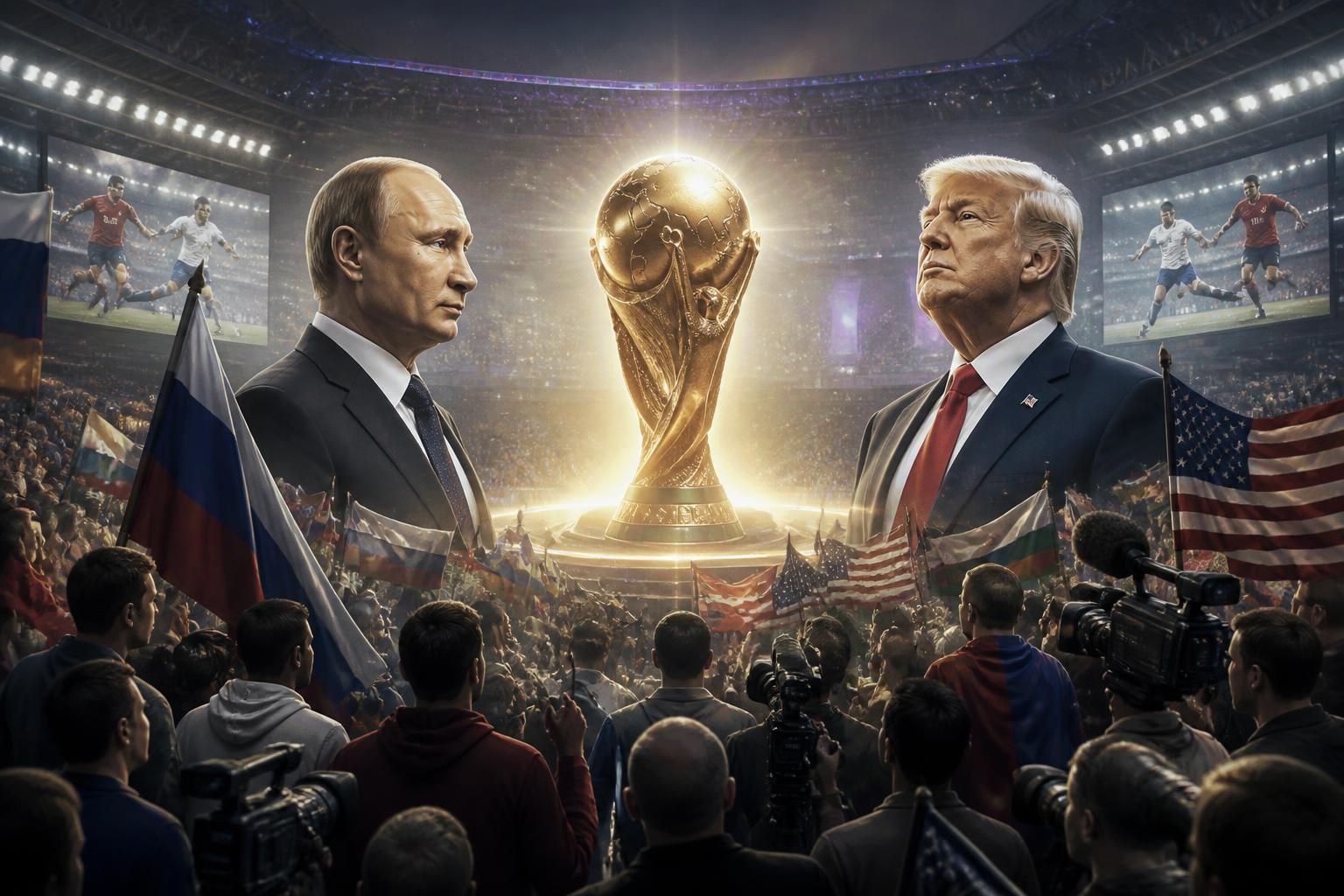
The World Cup, that spectacular circus captivating billions, has morphed far beyond a mere football festival. From Vladimir Putin to Donald Trump, the tournament increasingly doubles as a stage for political influence and media manipulation, blurring lines between sport and statecraft. Putin’s 2018 Russia World Cup presented a carefully curated image to soften his authoritarian grip, seducing global audiences with pomp and show. Fast forward to 2026, and Donald Trump is steering the event with his unmistakable flair for spectacle, embedding the tournament within his “America First” narrative. This isn’t just about football — it’s about wielding sports diplomacy as a propaganda weapon, twisting public perception and leveraging nationalism to reshape international relations.
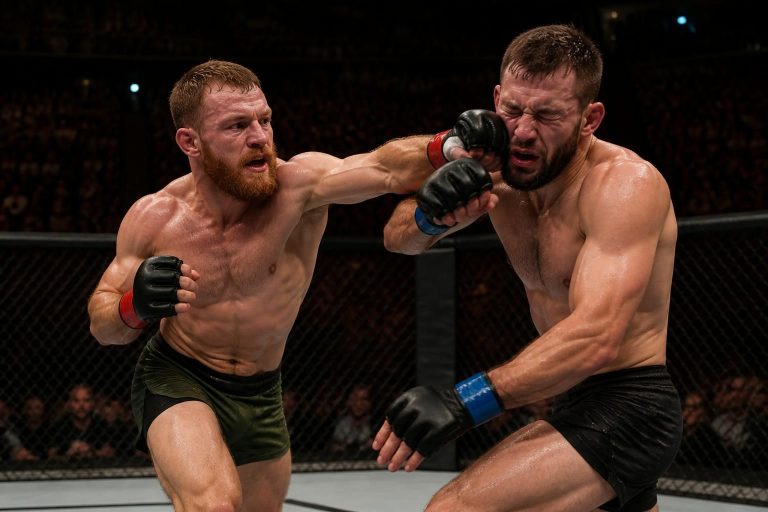
Though known mainly for his love of combat sports like MMA and boxing, Trump has cleverly adopted the World Cup to project power and influence far beyond the pitch. With strategic moves such as relocating the 2026 World Cup draw from Las Vegas to Washington D.C.’s Kennedy Center, he’s signaling tight control over the event’s symbolic value. But here’s the twist: these maneuvers echo Putin’s tactics from years prior, revealing a challenging pattern of leaders transforming global sporting events into political battlegrounds. The stakes are huge, with millions watching and world leaders jockeying for soft power through the shared language of sport.
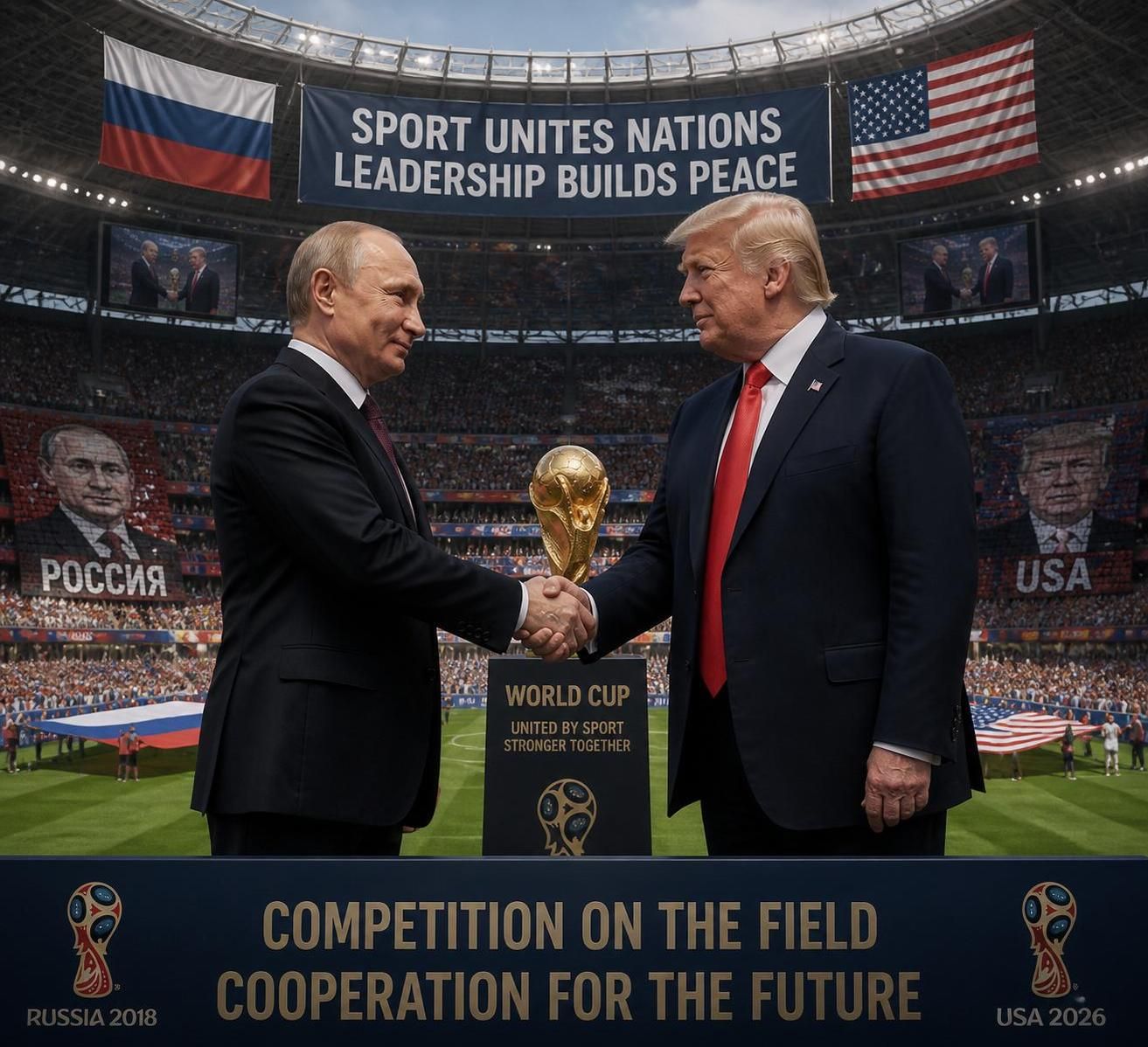
How Vladimir Putin Turned the World Cup into a Soft Power Spectacle
Back in 2018, Vladimir Putin leveraged the World Cup to polish Russia’s image amid international criticism. Using the event as a megaphone, he showcased a seamless, hospitable country, glossing over its authoritarian excesses with a parade of fan zones, cultural exhibitions, and security displays. The tournament served as a front for media manipulation, calming negative narratives and promoting nationalism under a global spotlight. Yet beneath this carefully staged facade, the realpolitik remained unchanged — the World Cup was a calculated exercise in sports diplomacy, a way to assert Russia’s relevance without firing a single shot.
From Stadiums to Strategy: Putin’s Playbook on International Relations
Putin’s strategic use of the World Cup echoed classic sportswashing tactics — camouflaging tough political realities behind a spectacle of football and fanfare. It highlighted how much power a global event holds beyond the pitch. The Kremlin’s gripping tight control over logistics, visa policies, and security mirrored the regime’s intolerance for dissent back home. The tournament was less about the game and more a theater of soft power, sending a message of resilience and control to the world’s eyes.
Donald Trump’s 2026 World Cup: A New Era of Nationalistic Propaganda
While Trump’s passion for combat sports like MMA is well-documented, his dive into soccer’s big league reveals a shrewd political maneuver. The US-led 2026 World Cup has morphed into a stage for his America First agenda, intertwining sport and ideology in ways the world hasn’t seen before. The abrupt decision to shift the draw ceremony to Washington D.C. symbolizes more than logistics — it asserts political dominance and national pride. Entrusting FIFA’s president Gianni Infantino to present the World Cup to Trump in the Oval Office isn’t happenstance; it’s a calculated blend of sport and statecraft to amplify a nationalistic narrative through one of the globe’s most watched events.
Manipulating the World’s Game: Trump’s Propaganda and Power Play
Trump’s approach reveals a bold willingness to push the boundaries of public perception and international relations by embedding nationalistic fervor within the World Cup’s global appeal. This politicization raises questions about the integrity and future of the sport, as well as the potential for sporting mega-events to become pawns in wider geopolitical chess matches. Whereas Putin leaned on spectacle to mask authoritarianism, Trump channels his penchant for showmanship to cement legacy and rally domestic support. Both exploit the vast reach of football as an unparalleled conduit for propaganda.
Understanding these dynamics is crucial as the 2026 FIFA World Cup unfolds, because the beautiful game is no longer just a game — it’s a potent vehicle for projecting power and shaping global narratives in a volatile world.