The 2026 FIFA World Cup is poised to captivate audiences worldwide, marking a significant evolution in the tournament’s history. This edition introduces an expanded roster, featuring 48 national teams, and a newly structured competition that begins with a round of 32 knockout stage rather than the traditional round of 16. From the opening match where the host nation Mexico will clash against South Africa, to subsequent fixtures involving powerhouse teams such as the United States, Brazil, and Germany, the stakes are higher and the global football landscape broader. As the groups finalize their standings, the tournament promises intense competition, with tiebreakers hinging on goal differences, head-to-head results, and fair play scores. This comprehensive glance at the current standings and matchups reveals both expected powerhouses and intriguing underdogs, setting the stage for a World Cup defined by diverse tactical battles and national pride.
Key takeaways:
- The 2026 World Cup features 48 qualified national teams, enhancing global representation and tournament complexity.
- Host team Mexico has made a solid start, topping Group A with a win over South Africa.
- Groups show a competitive balance, with multiple teams tied on points urging reliance on tiebreaker criteria.
- The knockout phase expands to 32 teams including the top two of each group plus the eight best third-placed teams.
- Tiebreakers apply a nuanced sequence starting with head-to-head results, then goal difference, goals scored, fair play, and FIFA rankings if necessary.
- Key fixtures to watch include heavyweight clashes in Groups D, E, and J, where traditional football giants strive to assert dominance.
Dynamic Standings in a World Cup Expanded Landscape
The expanded 48-team format stewarded by FIFA adds layers of intrigue and unpredictability to the tournament. This shift translates into twelve groups hosting a blend of traditional powerhouses and emerging teams, each battling not only for top spots but also for the coveted ranking among the best third-place finishers to progress past the group stage. For example, Group A sees Mexico leveraging home advantage with a robust 2-0 victory over South Africa, while South Korea’s narrow win over Czechia places them squarely in contention, reflecting the thin margins that dominate the early phase standings.
Meanwhile, Group B epitomizes equilibrium with Canada, Bosnia and Herzegovina, Qatar, and Switzerland all locked at one point apiece after initial matches, reflecting the high stakes and minimal room for error. Such tight grouping forces reliance on FIFA’s intricate tiebreaker system, underlining how every goal scored or conceded now carries heightened significance. Across the groups — be it Scotland’s narrow win in Group C or the United States’ commanding 4-1 victory over Paraguay in Group D — the tournament testifies to both the quality and unpredictability of global football in 2026.
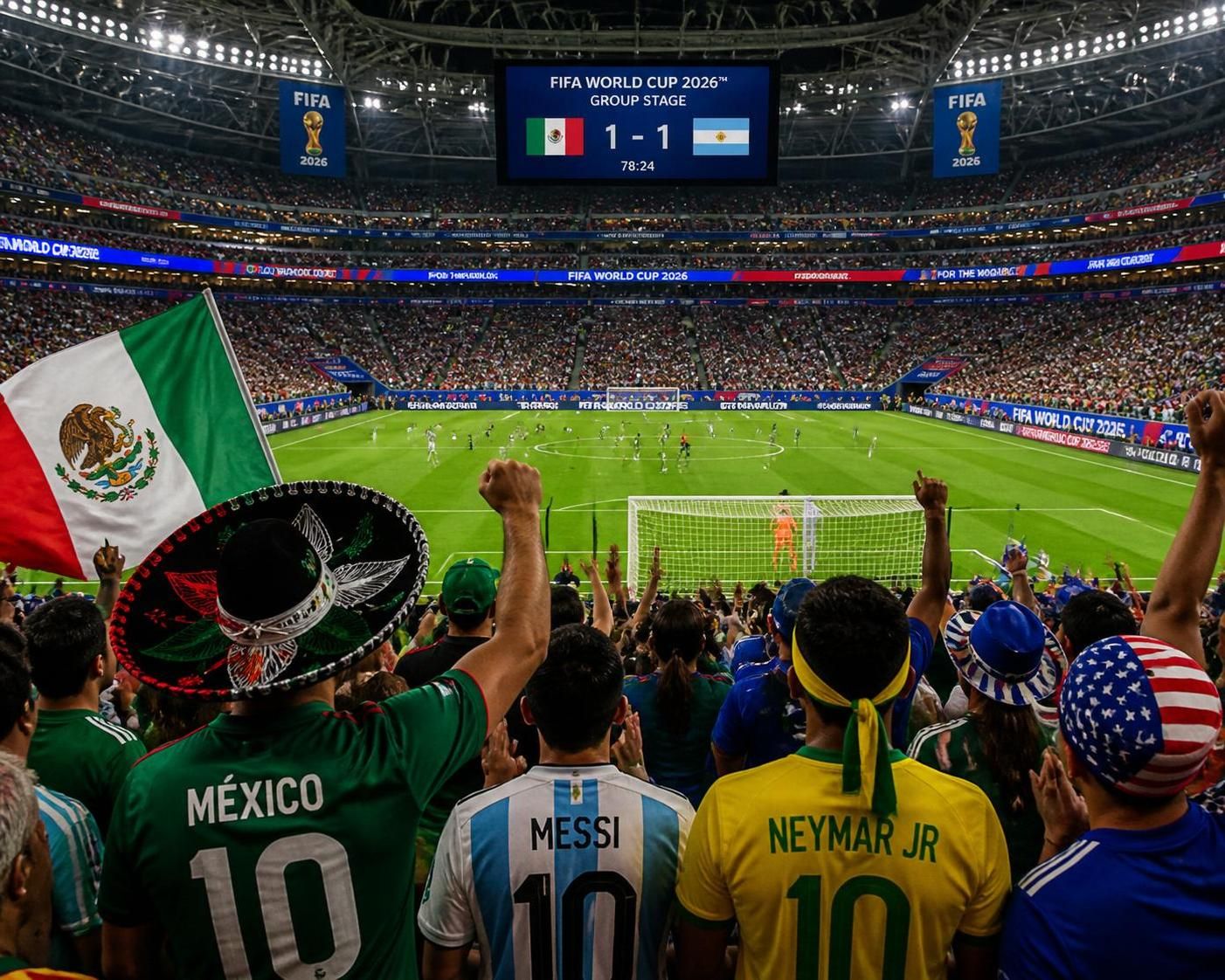
Crucial Fixtures and Tactical Battles Shape Group Outcomes
The schedule is peppered with decisive battles that might not merely resolve group positions but determine the fate of entire teams. Matches like Germany’s 7-1 thrashing of Curaçao in Group E underline the gulf in class between some nations, but also raise the question of consistency needed to advance beyond the group phase. Similarly, in Group F, Sweden’s convincing 5-1 victory over Tunisia contrasts with the stalemate between the Netherlands and Japan, highlighting tactical rigidity versus attacking fluidity, themes that resonate beyond this group alone.
The intensity is palpable in the coveted duel between United States and Australia in Group D, where both teams seek to solidify their standing among top contenders. Meanwhile, the tactical approaches from groups with frequent draws, such as Group G featuring Belgium and Egypt, spotlight a cautious strategy employed by some, possibly safeguarding positioning and energy for later knockout rounds. These varied tactical narratives are part of the fabric that make the FIFA World Cup unpredictable and fiercely competitive.
Navigating the Nuances of Tiebreakers and Third-Place Qualifications
With multiple groups exhibiting deadlocks on points, FIFA’s layered tiebreaker rules come into sharp focus. The first stage prioritizes head-to-head results and goal differences among tied teams, a system designed to reward direct superiority over rivals rather than overall performance alone. When this fails, the broader criteria of overall goal difference and goal-scoring prowess apply, emphasizing the importance of offensive strategy. Notably, the fair play conduct score can tip the scale, spotlighting discipline as a critical component of competitive success.
Perhaps most revolutionary is the introduction of the best third-placed team qualification, a chance for squads narrowly missing the top two to secure a lifeline. Here, the ranking metrics mirror main tiebreaker principles, giving multiple teams across differing confederations hope for advancement. This feature introduces an added layer of strategy, as teams monitor results across the broader tournament landscape, making each goal and foul a potential determinant of survival. For enthusiasts tracking detailed World Cup standings and fixtures, understanding these nuances is essential for grasping the tournament’s unfolding drama.
Broad Implications for National Teams and Football’s Global Future
The 2026 World Cup, beyond showcasing elite football, signals a transformative moment for the sport’s global dynamics. Nations like Canada, returning as group contenders, and underdog teams such as Curaçao, challenge conventional power hierarchies and expand football’s geographic reach. This diversification fosters a richer tournament narrative but also exposes weaknesses in currently dominant teams, pressing tactical evolution and squad depth more than ever.
Moreover, the extensive tournament duration and increased fixture load test physical and psychological endurance, prompting teams and coaches to innovate preparation methodologies. As the World Cup unfolds across the tri-nation hosts USA, Mexico, and Canada, logistics and fan engagement reach unprecedented levels, encapsulating football not just as a sport, but as a cultural phenomenon with vast social impact. For those eager to delve deeper into predictions and team analyses, resources like World Cup 2026 winner prediction offer comprehensive insights alongside spirited debate.