
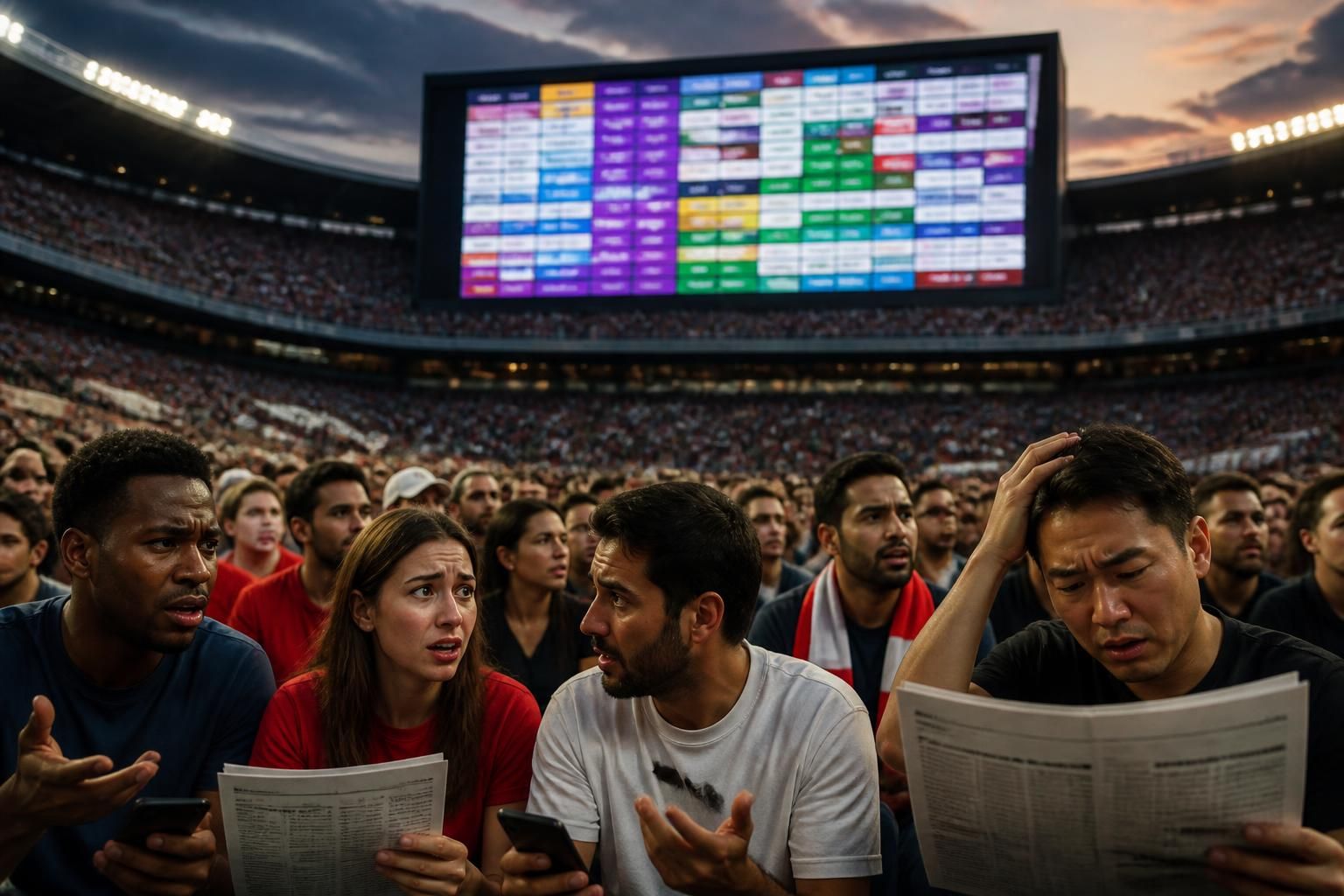
The 2026 FIFA World Cup has ignited a unique kind of tension well before the final whistle. The expansion to 48 teams and the sprawling geography across the United States, Canada, and Mexico present a logistical puzzle that FIFA claims to have solved—but at what cost? The newly unveiled World Cup schedule reveals kickoff times that cater mainly to North American audiences, relegating millions of football fans in Europe and Africa to the margins of live viewership due to inconvenient and, frankly, punishing match timings. Night owl fandom has turned into a necessity rather than a choice, exposing a glaring disconnect between host nations’ benefits and global supporter experiences.
Brief overview:
– The FIFA tournament’s expanded format involves matches spread across multiple time zones, complicating live viewership worldwide.
– To safeguard players from extreme heat, many games are slated for late evening or midnight local times, pushing UK and African fans to watch in the early hours.
– Social media buzz highlights widespread frustration among football fans about the lack of daytime matches in Europe and Africa.
– FIFA defends the schedule citing player welfare and logistical hurdles, but the backlash suggests a mounting divide between organizational strategy and fan interests.
– The scheduling controversy risks overshadowing the tournament’s sporting spectacle, introducing unforeseen concerns for one of soccer’s biggest global events.
Global Fan Reactions Expose the Rift in the 2026 FIFA World Cup Sports Schedule
The latest FIFA World Cup schedule has become a lightning rod for frustration, particularly among European and African fans whose passion now competes against unforgiving clock hands. With 13 different kickoff times spread unevenly across 16 host cities, fans accustomed to leisurely afternoon viewing find themselves pushing into the small hours. Cities like Kansas City, San Francisco, and Vancouver host matches that kick off as late as 5 a.m. BST, while Mexican venues add to the graveyard shift by scheduling games well past midnight for overseas viewers.
Supporters have seized social media to voice their displeasure. The consensus is clear: football fans are exhausted, struggling to balance workdays with live match attendance. Anfield’s lament, “Not having World Cup football during the day is an absolute joke,” encapsulates the sentiment of many. Meanwhile, calls for an earlier start in North America reflect a demand for greater consideration of global audiences. These reactions illustrate the tension between the business interests of host countries and the worldwide nature of the soccer event.
Impact on European and African Audience Engagement
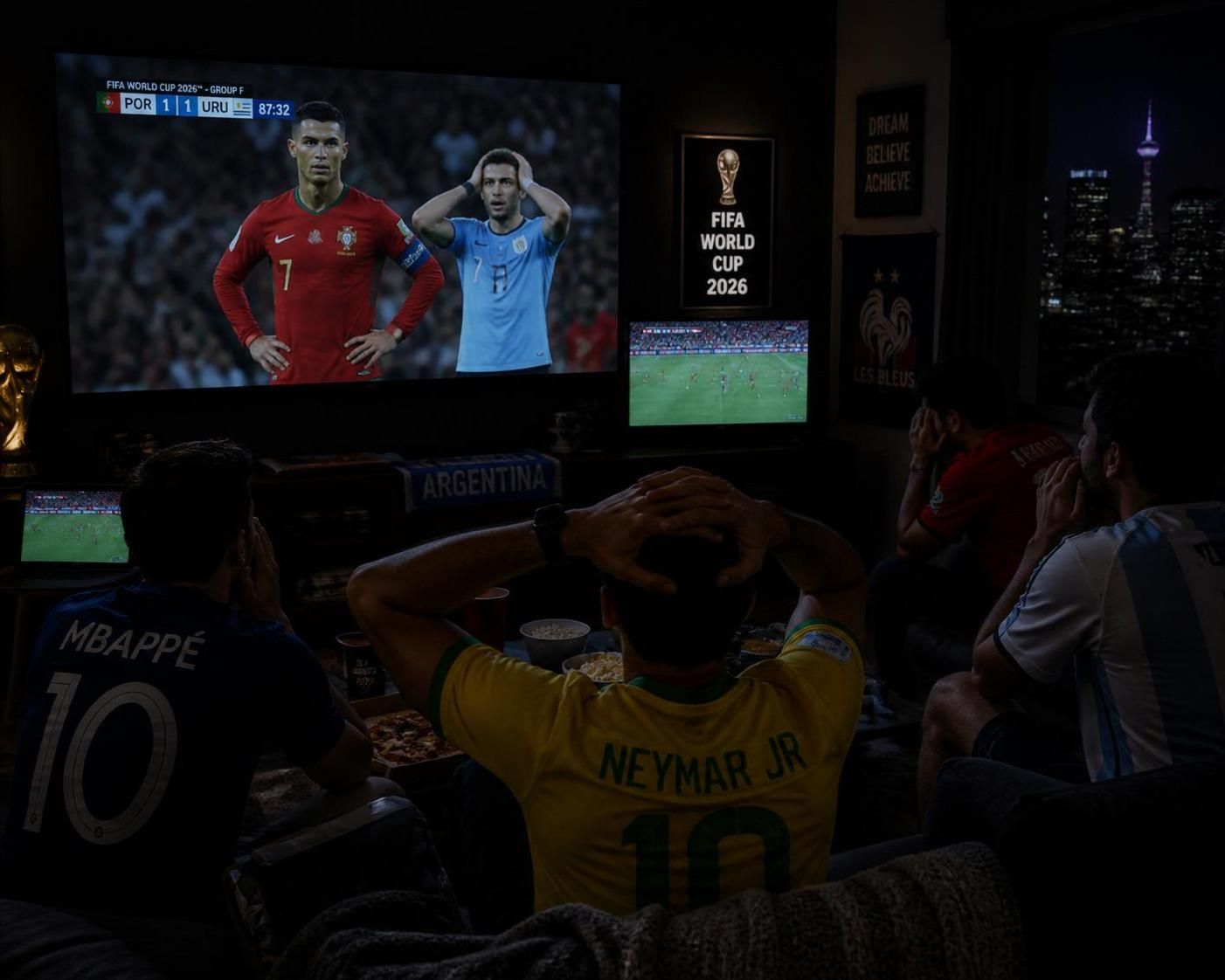
In Europe and Africa, the ripple effects of the tournament concerns are tangible. Many UK fans report sleepless nights and disrupted daily routines as matches unfold from midnight well into early morning hours. Following a survey by EE, it is evident that over 80% of UK football fans feel the inconvenient scheduling will reduce their live viewing, with many resorting to following only their national teams or knockout matches.
Africa faces similar challenges, where local kickoffs stretch until 5 a.m. in North African countries operating at UTC+1, and South African fans contend with late-evening starts ending past midnight. Anecdotes from the continent reveal remarkable fan dedication but underline a growing exhaustion that could dampen the celebratory spirit typically associated with the World Cup.
FIFA’s Justification and the Contested Logistics of the 2026 World Cup
FIFA defends the complex sports schedule by emphasizing the unprecedented challenge of coordinating games across three countries and 16 cities. Central to the explanation is the protection of players against the notorious North American summer heat, a factor that forced evening and nighttime kickoff times to prevent heat stress, a concern echoed from last year’s Club World Cup feedback.
While some matches still cater to European audiences with more reasonable evening kickoff times, the majority’s timing raises questions of fairness and accessibility. The knockout rounds promise slots more aligned with European and African prime time, but for the group stages, fans must continue facing grueling viewing hours. This controversy plants a seed of doubt about whether the tournament’s format and host selection genuinely serve global football fans or merely local commercial interests.
In addition, the scheduling intricacies connect directly with site-specific issues; for instance, fans looking toward venues like Guadalajara have voiced concerns similar to those affecting other host cities scattered across Mexico’s stadiums and beyond. Observers also monitor the implications on major North American hubs such as Los Angeles, where match timing affects the local atmosphere and global broadcast reach simultaneously.
Media Coverage Amplifies Fan Discontent and Anticipation
Media outlets and streaming platforms are witnessing a spike in viewership—but not without its drawbacks. Fan reactions are channelled into debates on social media platforms and forums, reflecting both annoyance and an undying passion for the football tournament. There’s an emerging narrative about fan fatigue, reduced live attendance in key markets, and escalating calls for FIFA to rethink future scheduling.
Nevertheless, the magnitude of this FIFA World Cup remains unmatched, driving intense scrutiny of every decision made by the organizers. Whether this approach to scheduling will become a blueprint or a cautionary tale for mega-sporting events remains to be seen. As millions of football fans sacrifice sleep to witness the global spectacle unfold, the question lingers: has the balance tipped too far in favor of commercial and climatic concerns at the fans’ expense?