
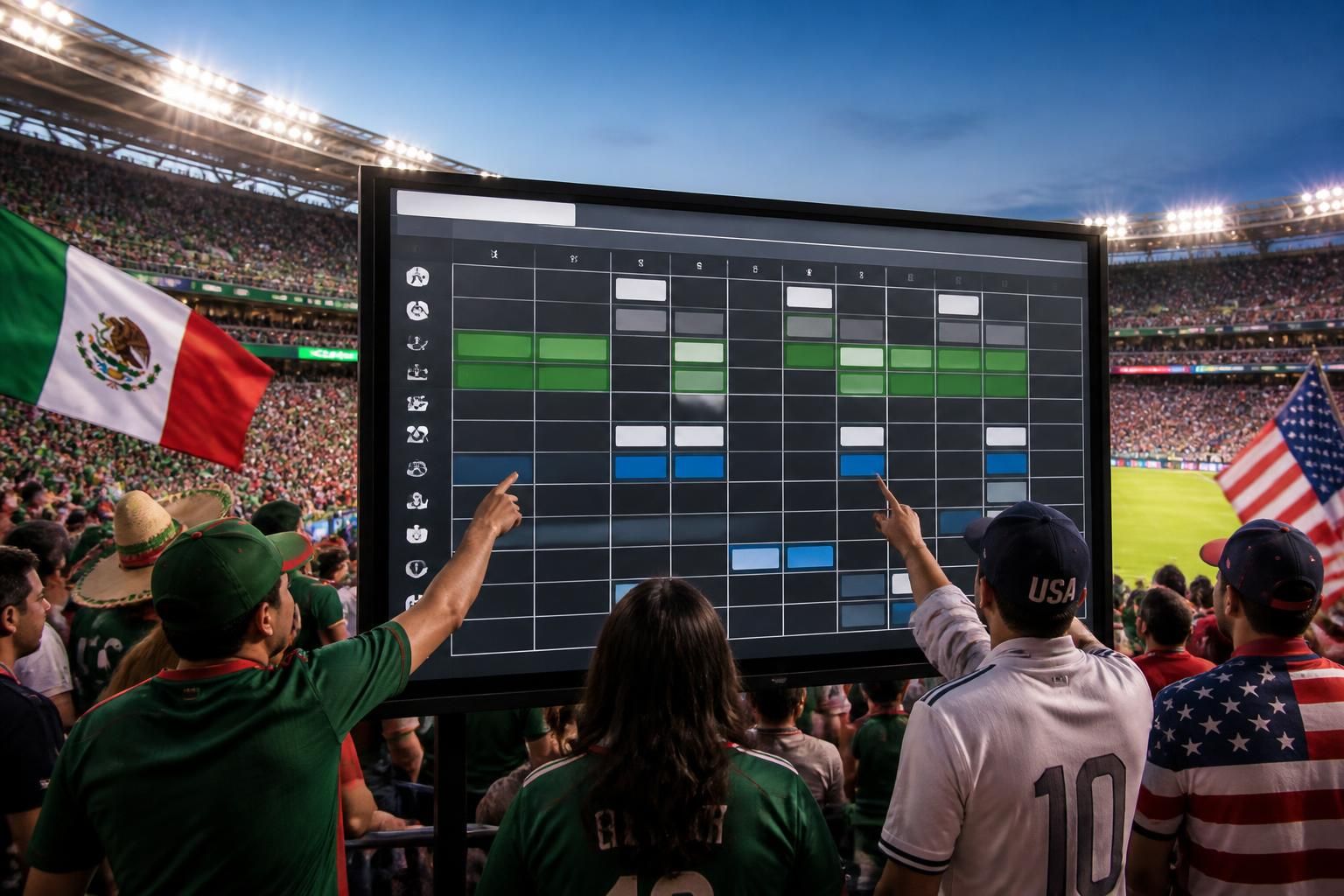
The FIFA World Cup 2026 promises to be a sprawling spectacle, set across North America’s grand stage with the United States, Mexico, and Canada as hosts. This tournament isn’t just another edition; it’s the largest and longest ever, featuring a colossal 104 matches over five weeks. The spotlight particularly rests on the journeys of US Soccer and Mexico, whose match dates and venues are critical for fans tracking the tournament’s pulse. Mexico takes an assertive opening step on June 11 in Mexico City, facing South Africa, immediately setting a tone of intensity and expectation. The US follows a day later in Los Angeles, squaring off against Paraguay, marking the inception of what could be a defining campaign at SoFi Stadium for Ricardo Pepi and his teammates. The schedule intricately weaves through 16 venues, capturing the diverse fan bases and climatic contrasts across the host cities. It’s a meticulous mosaic of soccer brilliance, logistics, and fan fervor, culminating at the iconic Meadowlands with the championship clash on July 19. All eyes will be locked on the match timings and critical fixtures, from tense group battles to the knockout stage drama that defines international soccer’s grandest tournament.
In Brief:
- The 2026 FIFA World Cup delivers 104 matches across three nations, marking the tournament’s most ambitious chapter.
- Mexico’s campaign kicks off June 11 in Mexico City against South Africa, an early test before matches in Guadalajara and a return home to face Czechia.
- US Soccer’s key dates begin June 12 at SoFi Stadium against Paraguay, with subsequent group games in Seattle and another in Los Angeles.
- Strategic venues like Los Angeles and Monterrey feature prominently in hosting crucial fixtures.
- The tournament timeline spans from June 11 to July 19, with every fixture crucial for navigating group stages and knockout rounds.
FIFA World Cup 2026 Complete Schedule: Navigating Key Match Dates for US Soccer and Mexico
Amidst the monumental scale of the 2026 FIFA World Cup, the schedule lays bare the intensity and strategic demands placed on teams and supporters alike. Mexico’s momentous opener on June 11 against South Africa in the vibrant heart of Mexico City sets the tournament’s initial pace. The significance of this match cannot be overstated—it establishes Mexico’s intent on home turf before shifting to Guadalajara for a decisive encounter against South Korea on June 18. The return to Mexico City on June 24 to face Czechia closes their group stage commitments, demanding consistent top form against varied styles of play.
In contrast, the United States’ introduction to the tournament, slated for June 12 at the iconic SoFi Stadium in Los Angeles, pits them against Paraguay. This venue, as detailed on the dedicated page about the Los Angeles 2026 FIFA World Cup site, is more than just a stadium; it’s a cauldron where home advantage and global expectation collide. Seattle’s Lumen Field hosts the US’s second group match against Australia on June 19, a game that could very well pivot the trajectory of their tournament. Closing their group phase back at SoFi Stadium on June 25 versus Türkiye, the US squad must deliver resilience and tactical acuity.
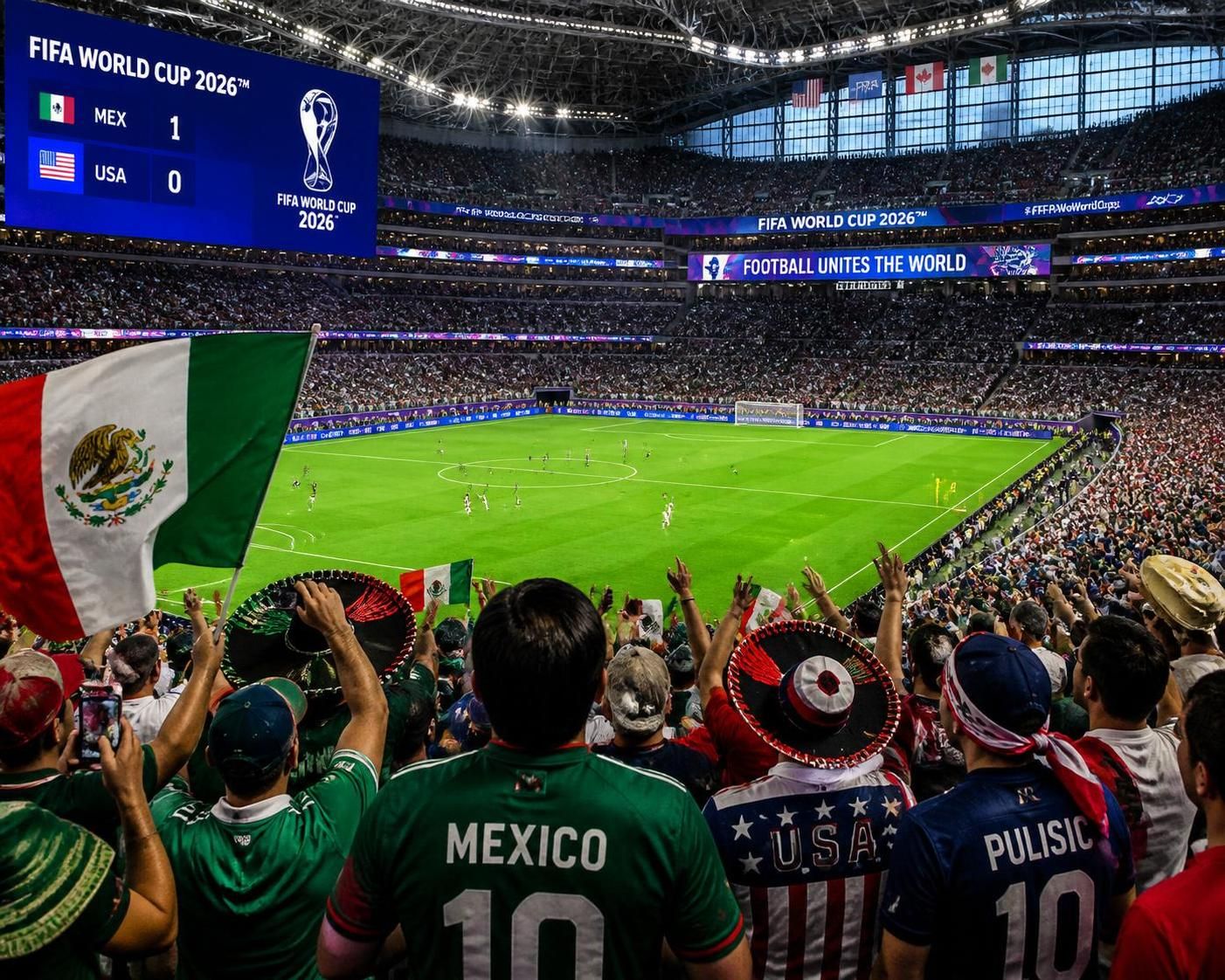
Strategic Implications of the Scheduling on US Soccer and Mexico’s Campaigns
The distribution of match venues across disparate cities from Los Angeles to Guadalajara demands sharp adaptability from both the US and Mexican national teams. Travel logistics combined with the pressure of back-to-back high-stakes games require a depth in squad selection and tactical flexibility. For Mexico, playing in front of a fervent home crowd, especially in Mexico City’s Estadio Azteca, adds a layer of psychological weight and expectation that can be both an asset and a burden.
The US faces a unique advantage in hosting matches at home grounds with varied climates and altitudes, pushing the coaching staff to optimize training and recovery programs. The US’s training camps, such as those announced in Texas, are strategically designed to prepare for these challenges, as highlighted on the Dallas 2026 World Cup page. This careful planning underlines the indispensable connection between scheduling and team performance when stakes are highest.
Critical Tournament Dates Across North America: Group Stage to Final Showdown
The tournament’s group stage unfolds with a meticulous cadence, beginning June 11 and culminating in high-voltage clashes that will decide the Round of 32 participants. The wide geographic spread — 16 venues across three countries — is unprecedented, testing organizational prowess and fan engagement alike. From the earliest days with underdog matchups like South Africa vs. South Korea on June 11 to powerhouse showdowns such as Brazil vs. Morocco on June 13 in East Rutherford, every fixture carries distinct narratives and stakes.
Knockout rounds intensify starting June 28, where the pressure escalates in venues like SoFi Stadium and Estadio Azteca. The Round of 16 and quarterfinal stages see escalating match importance and fan fever as national dreams hang in the balance. Semifinals on July 14 and 15 at Arlington and Atlanta will set the feel of what promises to be a fitting climax. The final, slated for July 19 at MetLife Stadium, will inevitably etch itself into the lore of international soccer, wrapping up a tournament already sized by its ambition.