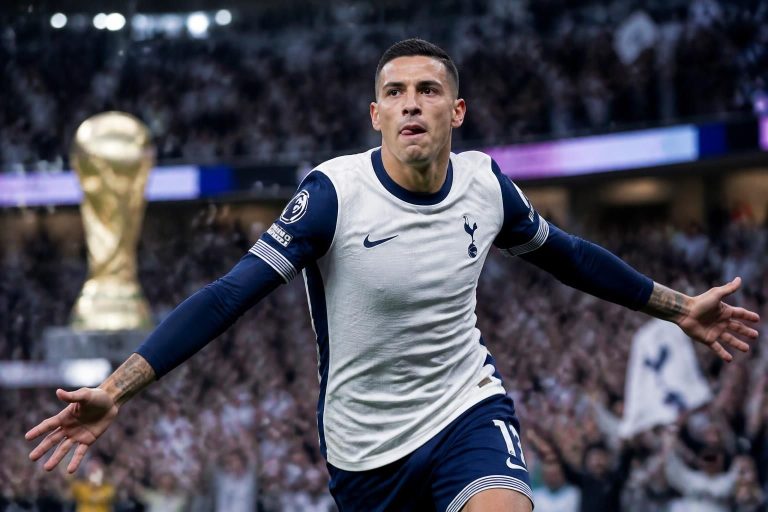

With the World Cup 2026 set to be the grandest spectacle yet, the release of the group compositions has ignited excitement and speculation across the footballing world. Hosted across three nations — the United States, Canada, and Mexico — the tournament features an unprecedented 48 teams, reshaping the traditional tournament dynamic. This expanded team draw ushers in a new era with 12 groups, each promising intrigue, fresh narratives, and unexpected clashes.
The football groups reveal a blend of football giants and emerging underdogs, ensuring a knockout-stage lineup richer in diversity and drama. From Mexico’s historic opening night at the Estadio Azteca to potential blockbuster matchups like Brazil facing Morocco again, the tournament is poised for compelling storylines that will ripple beyond the group stage.
Logistical undertakings for the 2026 edition are equally daunting and ambitious. Multiple host cities, such as Los Angeles and Monterrey, have beefed up their infrastructure, balancing the challenge of travel between venues with delivering high-quality fan experiences. The new format adds up to 104 matches, almost double previous totals, stretching venues and organizers alike but enhancing tournament expectations to new heights.
Let’s dive into what these tournament groups look like, how the format innovations will shape the competition, and which teams are standing tall as favorites — plus the surprises lurking just around the corner.
World Cup 2026 group compositions and format innovations unveiled
The shift to 48 teams divided into 12 groups of four stands as the centerpiece of this World Cup’s group stage overhaul. Forget the controversial 16 groups of three from recent debates; FIFA has returned to the trusted four-team group model, preserving competitive integrity and excitement. This means every match counts, and no nation can afford complacency.
Top two from each group automatically advance, but uniquely, eight of the best third-place teams will also make the leap to a freshly introduced Round of 32. This expansion of the knockout bracket promises a longer, more unpredictable tournament, creating opportunities for underdogs and giants alike to shine or stumble under pressure.
With the official draw completed on December 5, 2025, notable alignments have emerged. For example, Group A’s host Mexico is set to open against South Africa in a nostalgic rematch of 2010, while Group F promises a thrilling Netherlands vs. Japan showdown, rekindling past World Cup battles.
Host nations gearing up amid logistical marvels and challenges
Spanning a staggering 16 cities across three countries, the 2026 World Cup is a logistical masterpiece. Hosts have invested heavily in stadium renovations and transport infrastructure to meet the demands of the expanded match schedule. Cities like Los Angeles and Monterrey are at the heart of fan hubs, offering not just matches but vibrant cultural experiences that elevate the fan journey.
However, the multi-nation format introduces travel challenges rarely seen before. Fans following their teams face long cross-border trips unless their group’s matches are clustered in one nation — such as Mexico’s Group A or the USA’s Group D. This dynamic is set to reshape how supporters plan and experience the tournament, blending fascinations of continental exploration with football passions.
Moreover, the United States, having secured matches at iconic venues including the MetLife Stadium in New Jersey for the final, benefits from decades of event-hosting experience but must still tackle the scale of this tripartite operation. Similarly, Canada and Mexico leverage the opportunity to boost their football cultures and international profiles with world-class hosting.
Top contenders and dark horses in the 2026 World Cup football groups
While powerhouses like Brazil, Germany, France, and Argentina remain favorites, the tournament’s new layout invites a slew of underdog narratives. Debutants like Haiti and Curaçao bring fresh energy and the hope of history-making runs. Morocco’s recent semifinal heroics keep them under the spotlight, and teams such as the United States, Mexico, and Canada hope home advantage gives them a sustainable edge.
Among the interesting setups, Group E pairs Germany with newcomer Curaçao — an absolute clash that pits tradition against fresh ambition and is already capturing imaginations. Similarly, Group K pairs Portugal and Uzbekistan, blending old cracks with new stories, setting the stage for compelling matches (check out the matchup analysis).
Familiar rivalries will reignite with renewed intensity. England and Croatia face off again, a pairing that carries history, tension, and suspense. And don’t overlook the USA’s group, where domestic fans can rally fervently behind their team amid well-placed contenders Paraguay, Australia, and Türkiye.
What 2026’s expanded tournament means for football fans and the game’s global growth
The record-breaking 48-team format means more diversity — with nations from all corners of the globe stepping onto the world’s biggest stage, enriching the tournament’s cultural and sporting fabric. It brings about thrilling narratives of football’s rising nations and underdog stories that fans yearn for.
More teams mean more matches — 104 in total — providing ample chances for memorable football magic. Though questions about fixture congestion and competitive balance linger, the structure favors an inclusive, electrifying spectacle. The Round of 32 will add an extra knockout drama layer, potentially reshaping how surprises unfold in the latter stages.
On a practical note, fans planning their World Cup trips must navigate a range of costs, from $2,750 to over $10,000 for group stage attendance, combining ticket prices, accommodations, flights, and essentials. The host cities’ initiatives to streamline fan experience reflect this growing demand and showcase the tournament’s potential to connect football lovers at a massive scale.
Historic precedents and what to expect from the 2026 group stage matchups
This World Cup’s group stage opens with Mexico hosting South Africa at the Estadio Azteca, a match loaded with historical resonance and pressure. Across the groups, expect high drama—from the European giants battling in tightly-contested pools to African and CONCACAF nations seeking to break new ground. The group stage will be a carnival of styles, strategies, and ambitions.
Key tactical battles will unfold. Germany’s blend of youth and experience confronts the raw enthusiasm of first-time qualifiers, while France braces to defend their crown amid ruthless challengers. The seismic possibility of a Messi-Ronaldo pathway continues to fascinate, while fan favorites like Brazil endeavor to conquer once more.
As each group feeds into the newly minted Round of 32, predictions become thrillingly volatile. The expanded format demands resilience and adaptability, rewarding the teams with tactical ingenuity and mental strength. It’s a format that aims to keep viewers on the edge of their seats until the final whistle in New Jersey.
For a deeper dive into key group stage match-ups and football analysis, check out detailed predictions like Mexico vs. South Africa and Scotland vs. Morocco predictions, where the stakes and storylines become more vivid and personal.