
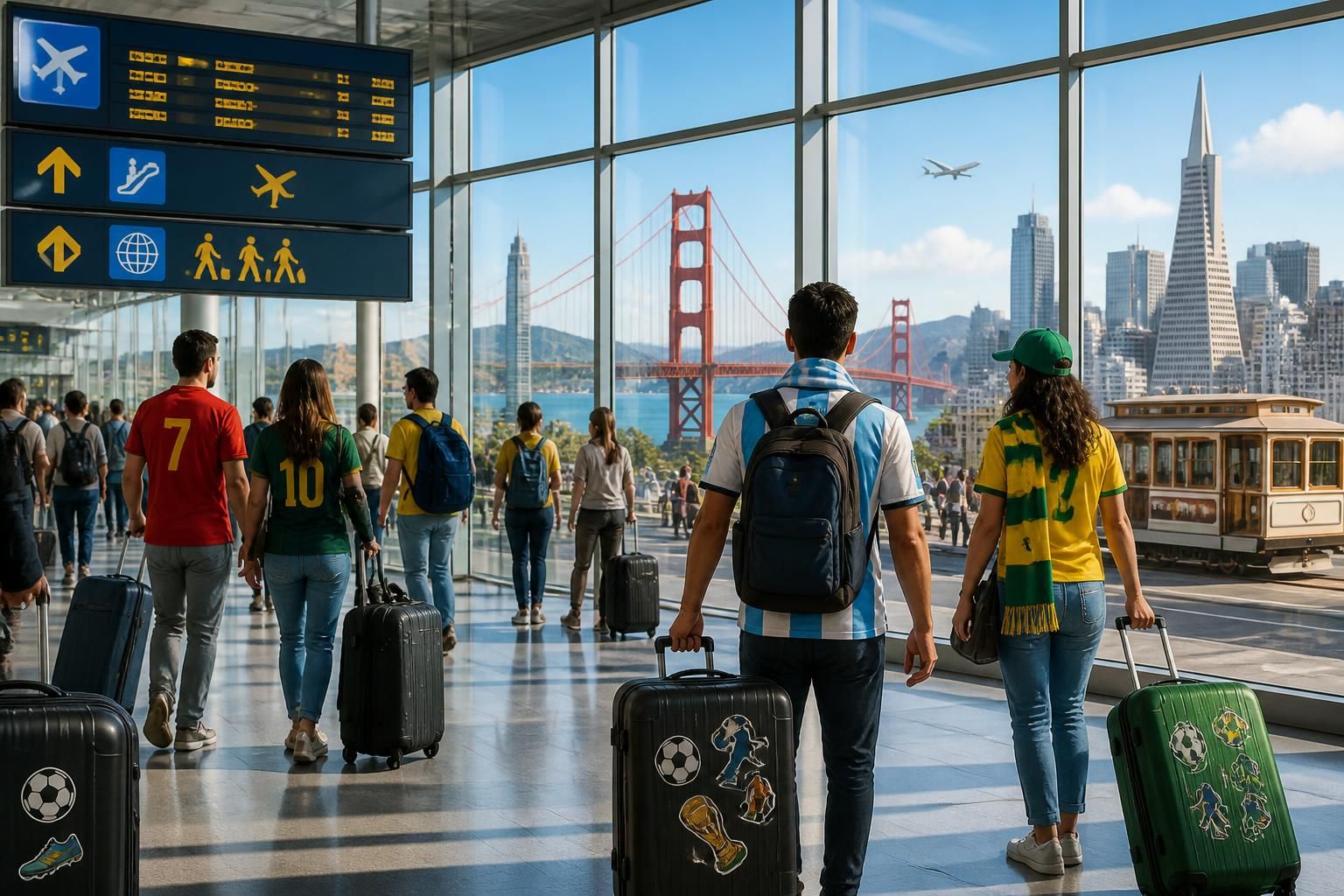
As the 2026 FIFA World Cup approaches, the San Francisco Bay Area transforms from a tech and culture hub into a pulsating arena for football fans worldwide. Hosting group-stage matches and a crucial Round of 32 encounter at the renowned San Francisco Bay Area Stadium, better known commercially as Levi’s® Stadium, the region is preparing for an influx of global visitors determined to witness the sport’s biggest spectacle. This rapid escalation will test local infrastructure and transport systems, turning what should be smooth journeys into a trial by congestion and crowds for unprepared fans.
San Francisco’s unique blend of innovation and scenic beauty offers a mesmerizing backdrop to the tournament, but getting there and navigating the event demands meticulous planning. Silicon Valley traffic, limited parking, and packed public transit during match days pose significant challenges. Meanwhile, the expansion of the tournament to 48 teams introduces fresh excitement but also logistical complexities, setting a new standard for global football events. Away from the pitch, the city’s diverse neighborhoods and vibrant culinary scene invite visitors to explore beyond stadium gates, making local discovery as important as the matches themselves.
The question isn’t just how to reach Levi’s Stadium—it’s how to move efficiently in the Bay Area, keep costs reasonable, and ensure safety throughout an almost month-long sporting pilgrimage. This travel guide unpacks those layers, delivering essential insights on flights, accommodation, local transit, and event travel tips to secure a memorable, hassle-free World Cup experience. Strap in, because this isn’t your average game day; it’s a logistical puzzle demanding savvy strategies for travelers ready to immerse themselves in world-class football.
Key takeaways for your 2026 World Cup trip to San Francisco Bay Area:
- 🌍 Levi’s Stadium in Santa Clara is the central venue, hosting five group matches and a Round of 32 game.
- 🚗 Driving is discouraged due to parking restrictions and heavy Silicon Valley traffic on match days.
- 🚆 Extensive but crowded public transit options include VTA Light Rail, Caltrain, BART, and ACE Rail, requiring early planning.
- 🏨 The South Bay offers a broad range of accommodation options from luxury tech district hotels to budget chains.
- 🍽️ The region’s diverse dining across Santa Clara, Sunnyvale, and San Jose pairs well with football fandom.
- ⚠️ Expect stringent security protocols and bag policies at the stadium, impacting entry times.
Comprehensive Directions and Transportation to Levi’s Stadium for World Cup Matches
Positioned about 45 minutes south of downtown San Francisco, Levi’s® Stadium anchors the Bay Area’s 2026 World Cup staging. Despite this manageable distance, the region’s infamous traffic congestion—especially along the US-101 and I-880 corridors—will amplify during match days. Relying on private vehicles without pre-paid parking is a recipe for frustration, given the stadium’s strict parking controls, regulated vehicle entry times, and extended exit delays that visitors must endure.
Alternatives to driving include several public transportation modes. The VTA Light Rail’s stop at Great America Station drops fans a stone’s throw from the stadium entrance, offering a green and practical option. Caltrain connects San Francisco with Mountain View, where a transfer to VTA links to the stadium. BART, San Francisco’s rapid transit backbone, serves stations like Milpitas and Warm Springs, necessitating a VTA shuttle to reach Levi’s. While offering an environmentally friendly choice, these options are expected to be overcrowded, demanding fans plan ahead to avoid being stranded in packed crowds.
For visitors keeping it pedestrian-friendly, staying near Great America Parkway or adjacent corporate campuses allows walking access. Nevertheless, the sprawling Silicon Valley layout means some treks might test endurance, especially in summer heat. With the above in mind, reliable pre-booked chauffeurs or shuttle services rise as the top recommendation, delivering punctuality, comfort, and a stress-free transit experience indispensable for such a world-class event.
Local Transit Strategies to Navigate San Francisco Bay Area Efficiently During FIFA World Cup
Public transit infrastructure in the Bay Area—though expansive—is set for its sternest test yet. The combination of dense urban centers, sprawling suburbs, and multiple transit agencies makes navigating the systems daunting without prior knowledge. Expect human waves in VTA Light Rail cars and Caltrains during match days, with limited seating and longer wait times. Coordination between BART, VTA, Caltrain, and ACE Rail schedules seldom accounts for such massive single-event surges, so savvy travelers should secure off-peak travel where possible.
Given the environmental push for greener event travel, public transportation remains an essential part of the plan but one that demands flexibility and early arrival at stations. The surge forecast highlights the importance of mapping out transfer points and having real-time transit apps loaded onto phones. For those who want to fly into the various nearby airports — San Francisco International (SFO), Oakland (OAK), or San Jose (SJC) — seamless connection to local transit is vital, but expect peak-time delays.
Accommodation and Neighborhoods to Consider for Your 2026 World Cup Stay in San Francisco Bay Area
The South Bay and Silicon Valley dominate lodging options for World Cup fans attending matches at Levi’s Stadium. From luxury suites nestled in tech-forward hotels near Santa Clara and San Jose airports to mid-range chains along Tasman Drive and budget motels scattered across the area, there’s something for every budget. But booking early is critical—room scarcity is expected as global visitors descend for the tournament’s spectacle.
Each nearby neighborhood offers a distinctive vibe and amenities. Santa Clara provides unmatched proximity, making it a favorite for those prioritizing simple stadium access. Sunnyvale balances price with comfort, appealing to families and groups looking for a relaxed atmosphere. San Jose shines with lively nightlife and an array of international cuisine, especially around Santana Row. Palo Alto and Mountain View attract techies and gourmands alike with upscale dining and organic eateries.
The World Cup’s demand has also pushed the limits of short-term rentals, so newcomers should verify accommodation legitimacy and safety to avoid last-minute disappointments. Familiarity with local transit and match-day transport will keep you connected, no matter your base camp choice.
Event Travel Tips and What to Expect Inside San Francisco Bay Area Stadium
Security at the stadium is tight. Fans should prepare for metal detectors, bag screenings, and strict entry rules aligned with FIFA’s global event standards. The clear bag policy limits what can be brought into the stadium, so packing light and compliance with regulations is a must to avoid delays.
The modern San Francisco Bay Area Stadium accommodates roughly 68,500 spectators with an eco-conscious design highlighted by a green roof and energy efficiency. Seating spans from close-to-pitch lower bowls to upper decks with panoramic views and exclusive luxury suites. Family-friendly zones and accessibility services, including ample ADA parking, wheelchairs, and assistive devices, reflect thoughtful design that aims at inclusiveness.
Food offerings run the gamut from vegan options to rich American grills, supported by plentiful water refill stations and free Wi-Fi throughout. Expect sun exposure in some stands during afternoon matches and plan accordingly with sun protection. Gates generally open 2-3 hours pre-kickoff, with possible extended hours for marquee games, making early arrival advisable.