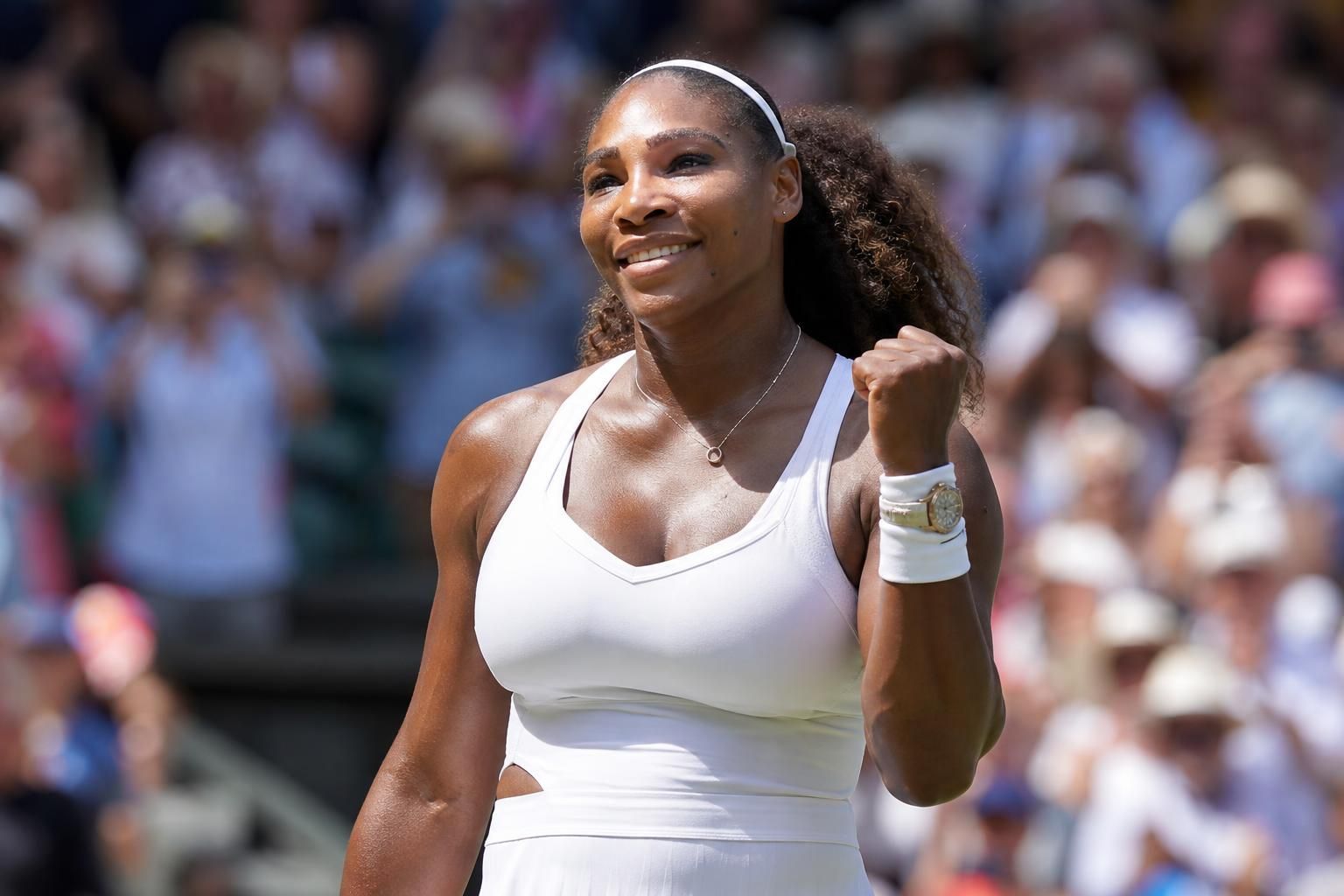
Serena Williams, iconic in the world of women’s tennis, is making a sensational comeback at age 44. The tennis legend has accepted a wild card to compete in doubles at the prestigious WTA 500 HSBC Championships at the Queen’s Club in London, scheduled from June 8 to 14. This announcement marks her return to professional tennis nearly four years after stepping away from competitive play following the 2022 US Open.
The excitement surrounding Serena’s triumphant return is palpable among fans and experts alike. Having dominated the tennis world with 23 Grand Slam singles titles and a total of 73 singles trophies over her illustrious career, the 44-year-old athlete comeback is more than a nostalgic nod to the past—it’s a bold statement that she remains a formidable force on the WTA Tour. Few expected this move after her announcement that she was “evolving away” from the sport, yet Serena’s reintegration onto the anti-doping testing list hinted that this was more than mere speculation.
John McEnroe and Mats Wilander, tennis legends themselves, are already speculating beyond the doubles event at Queen’s Club. McEnroe envisions Serena potentially returning to singles in the upcoming Wimbledon tournament, while Wilander finds it hard to believe she is travelling across the pond solely for doubles matches. Such endorsements from former world number ones underscore the high expectations surrounding Serena’s comeback and the impact it could have on the competitive landscape.
Serena Williams’ comeback shakes the foundations of professional tennis
Absent from the circuit since her 2022 US Open exit, Serena’s return comes nearly a year after her sister Venus Williams restarted her career at 45. This sibling dynamic adds an intriguing chapter to tennis history, reminding us of the remarkable longevity possible in modern women’s tennis. Serena’s decision disrupts typical narratives of athletic decline with age, proving that even sports icons are redefining what it means to compete beyond conventional timelines.
The tennis community has greeted this news with both admiration and curiosity. Lindsay Davenport, another former world number one and the captain of the US Billie Jean King Cup team, expressed surprise but support, recognizing that Serena’s presence will be a much-needed “boost for women’s tennis.” This comeback isn’t just about Serena playing again; it’s about shaking up the current generation who may have never witnessed her prime firsthand.
With a second daughter born in 2023, Serena joins a rare group of mothers returning to the top levels of professional sports. This fact adds layers to her story, highlighting the balance of personal life and elite athletic performance. It also shines a spotlight on evolving attitudes within the WTA Tour about maternity and comeback opportunities.
Challenges and expectations on Serena’s path back to the spotlight
It won’t be smooth sailing. At 44, Serena faces the physical challenges that come with age and an extended hiatus. Nevertheless, her resilience and competitive spirit have been her trademarks throughout her career. If history teaches us anything, it’s that Serena Williams never steps onto the court without aiming to win.
The choice to focus initially on doubles at the Queen’s Club appears strategic—allowing Serena to gauge her game rhythm on grass ahead of Wimbledon. Grass courts suit her aggressive style, and success here might well pave the way for a singles return. This setup also offers younger players the rare privilege of facing one of the greatest athletes in the game’s history, enriching the WTA Tour’s competitive fabric.
The broader tennis world is watching closely. Will Serena’s return redefine longevity in sport? Can she compete physically and mentally against tennis professionals often a generation younger? These questions add an intense layer of intrigue to the tournament circuit this season, especially with Wimbledon on the horizon.
Legacy and impact of Serena Williams’ return in 2026
Martina Navratilova, whose record Serena surpassed for longest gap return by a former world number one, welcomed the news warmly. Serena’s return isn’t just personal—it symbolizes a shift in women’s tennis, inspiring athletes to push boundaries beyond age or traditional career arcs.
For tennis fans and players alike, Serena’s journey brings history and modern competition face to face. The WTA Tour’s endorsement and the reception from peers underscore her ongoing role as a sports icon whose influence transcends trophies and titles.
Interestingly, this comeback also highlights an emerging focus within the sport on motherhood and career balance. Serena’s return after having two children challenges lingering stereotypes and encourages the next generation of athletes. Those who followed the recent developments in women’s tennis, such as Aryna Sabalenka’s rise at Roland Garros, will note how the WTA is undergoing a renaissance blending experience and youthful ambition.