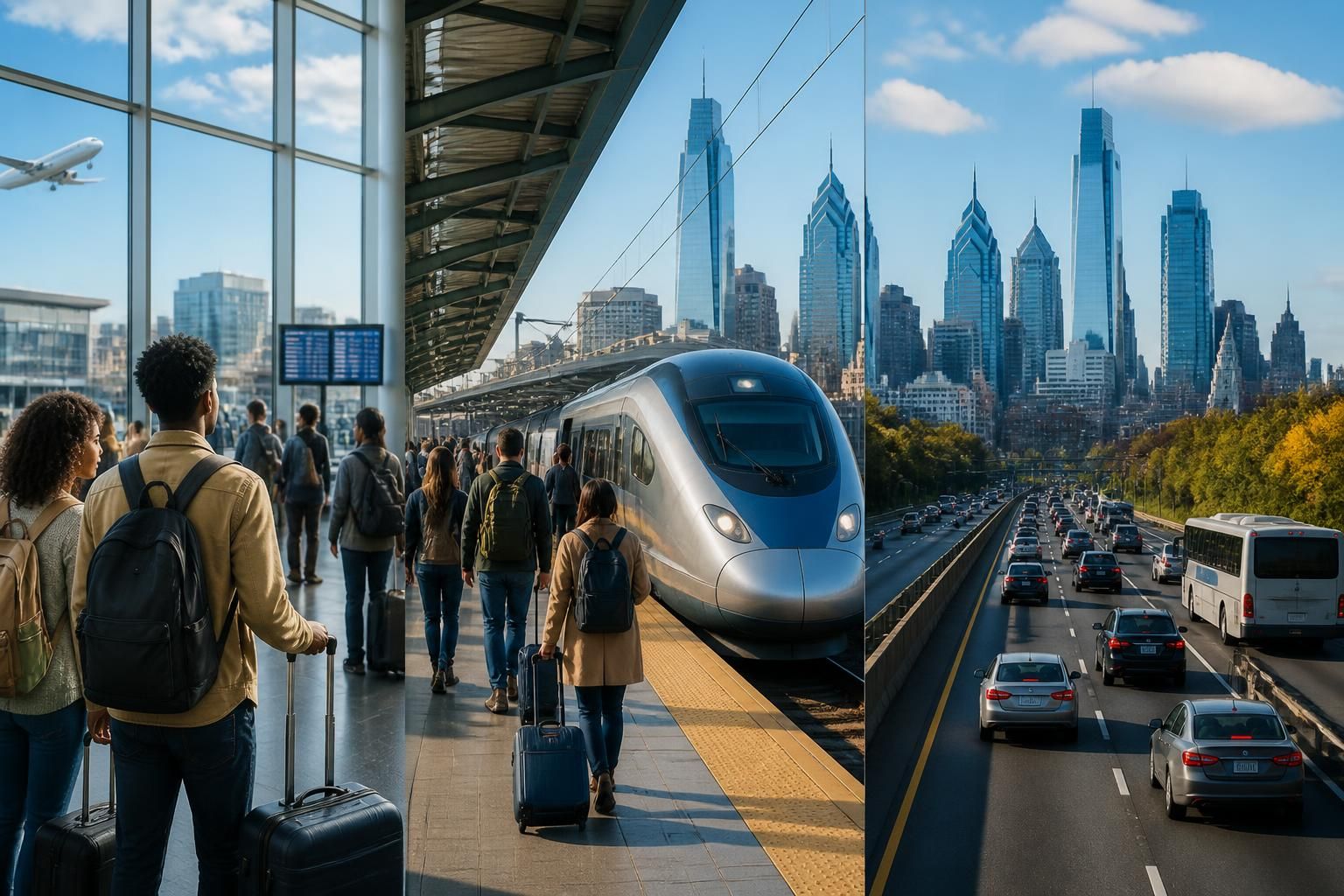
As the world’s gaze shifts towards Philadelphia for the FIFA World Cup 2026™, the city is far from resting on its laurels. Hosting six high-stakes matches, including a pivotal Round of 16 game scheduled on the notable date of July 4th—coinciding with America’s 250th anniversary celebrations—Philadelphia is positioning itself as a central hub of sports and history intertwined. But with global fans set to descend on this iconic city, questions about seamless travel and transportation options become vital. Rather than leaving it to chance, the city’s transit authority, SEPTA, has meticulously planned to accommodate tens of thousands of eager spectators, blending accessibility with convenience.
Getting to Philadelphia’s Lincoln Financial Field, where all matches will be held, promises a blend of strategic rail connections, bus services, and even bike-sharing options, all designed to navigate the anticipated crowds. And this isn’t just about getting to the stadium—fans aiming for vibrant FIFA Fan Festival™ celebrations at Lemon Hill will find equally precise transit solutions. With ticketing options, travel directions, and late-night services all streamlined under SEPTA’s umbrella, the question isn’t if fans can get to where they want, but rather how quickly and comfortably.
Yet, it would be naïve to gloss over the potential logistical hurdles. The city faces the challenge of balancing the influx of global visitors with its existing urban rhythm. Will Philadelphia rise to the occasion or buckle under the pressure? As the games approach, it becomes clear that success hinges on meticulous preparation, efficient use of public transit resources, and savvy fan compliance with designated routes and services. Let’s dive into what’s on offer for those planning to make Philadelphia their World Cup headquarters.
In Brief: ⚽ Philadelphia is set to host six matches at Lincoln Financial Field during the FIFA World Cup 2026, including a Round of 16 knockout match on July 4. 🚆 SEPTA will ramp up services on the Broad Street Line, Market-Frankford Line, and Regional Rail with added late-night trains. 🚌 Bus routes and Indego bike sharing expand options, especially for access to the FIFA Fan Festival™ at Lemon Hill. 🆓 Free rides after matches from NRG Station sponsored by Airbnb signal an effort to ease fan transit. 📅 Match days will demand proactive planning due to high hotel occupancy and busy streets. For a comprehensive look at host cities and locations, check here and details on host cities here.
Mastering Philadelphia’s Transportation Landscape for the FIFA World Cup 2026™
The preparation by SEPTA to shoulder the massive demand is commendable. They anticipate a staggering 31,000 riders per match, pushing their system to its limits halfway through June and early July. The primary artery for fans, the Broad Street Line—also known as the B train—offers direct access to NRG Station, strategically located to serve Lincoln Financial Field. Supplementing this, the Market-Frankford Line (L train) and Regional Rail lines provide alternative pathways, with practical transfer points like 15th Street/City Hall Station making navigation intuitive for visitors.
What sets SEPTA apart is the extension of services beyond traditional hours. Evening games warrant late-night operations, with key lines running every 30 minutes into the early morning hours. This assures supporters won’t find themselves stranded post-match—crucial for a tournament spilling into the night. Moreover, a noteworthy collaboration with Airbnb brings free rides home from NRG Station starting at halftime, showcasing a scalable model for public-private cooperation in major sporting events.
Getting to Lincoln Financial Field: From Rail to Ride
The stadium’s connectivity isn’t left to chance. Riders arriving via Amtrak at the renowned 30th Street Station have a convenient transfer sequence, walking to Drexel Station to board key rail lines head to the stadium. For those crossing from New Jersey, the PATCO line drops riders at 12th/13th & Locust Street Station with a brisk walk or transfer to SEPTA services. For the first-time SEPTA riders, a detailed guide is available to demystify the payment process, which embraces modern contactless options ensuring speed and ease in fare handling.
Additional fan marches scheduled pre-match promise an electric atmosphere, though the logistics are still being finalized. SEPTA pledges updated travel directions once routes are set, providing a safe and celebratory passage to games.
FIFA Fan Festival™ at Lemon Hill: Celebrating Beyond the Stadium
For those who can’t snag match tickets, the FIFA Fan Festival™ at East Fairmount Park’s Lemon Hill offers an alternative pulse-point of soccer fervor. Accessible by bus routes 32, 48, 7, and 49—with extended services through the summer—the festival merges live broadcasts with food and fanfare in a communal setting. Philly PHLASH, though not operated by SEPTA, adds another layer to this transit tapestry, ensuring rounds of joy extend beyond the stadium gates.
Indego bike sharing supplements this with new docks near the Sports Complex and pop-up stations near Lemon Hill itself. This green transportation option not only lightens traffic woes but encourages sustainable, nimble movement around event nodes, with pass options adapted for casual and long-term visitors alike.
Travel Tips: Tickets, Parking, and Navigating the City
Tickets remain the golden ticket for stadium access, and the city expects intense interest, especially for marquee matchups like Brazil vs. Haiti and the Round of 16 face-off. Visitors without prior experience navigating SEPTA’s system can lean on on-site SEPTA Ambassadors stationed at major hubs for guidance—those blue-vested helpers are invaluable for reducing transit anxiety.
Parking is functional but limited, with paid lots and garages requiring pre-planning. The SEPTA Park app offers a smart solution to handle daily fees, but fans are nudged towards public transit options to beat congestion. The region’s multilingual transport and accommodation services aim to offer tours and travel packages that encompass stadium access, match tickets, and comfortable stays.
With so much at stake, Philadelphia’s success will rely on not only the city’s infrastructural beef-up but also the goodwill and cooperation of traveling fans. Navigating crowded streets and packed venues requires readiness, patience, and a pinch of sportsmanship—after all, the World Cup is as much about community as competition.