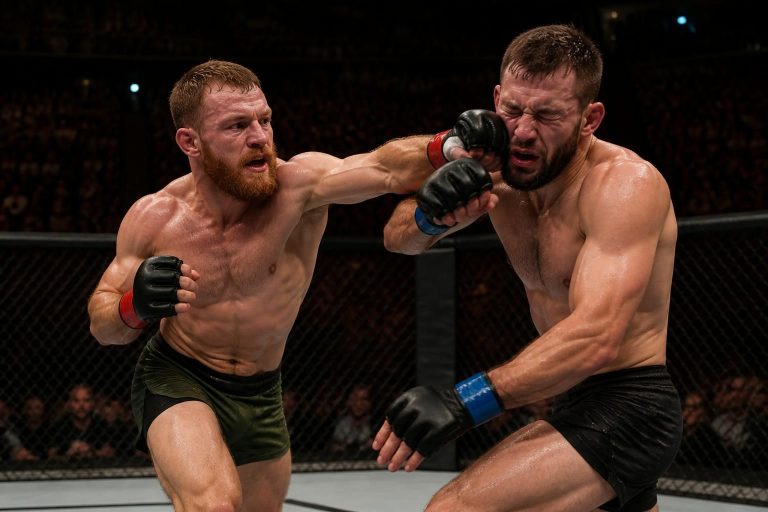
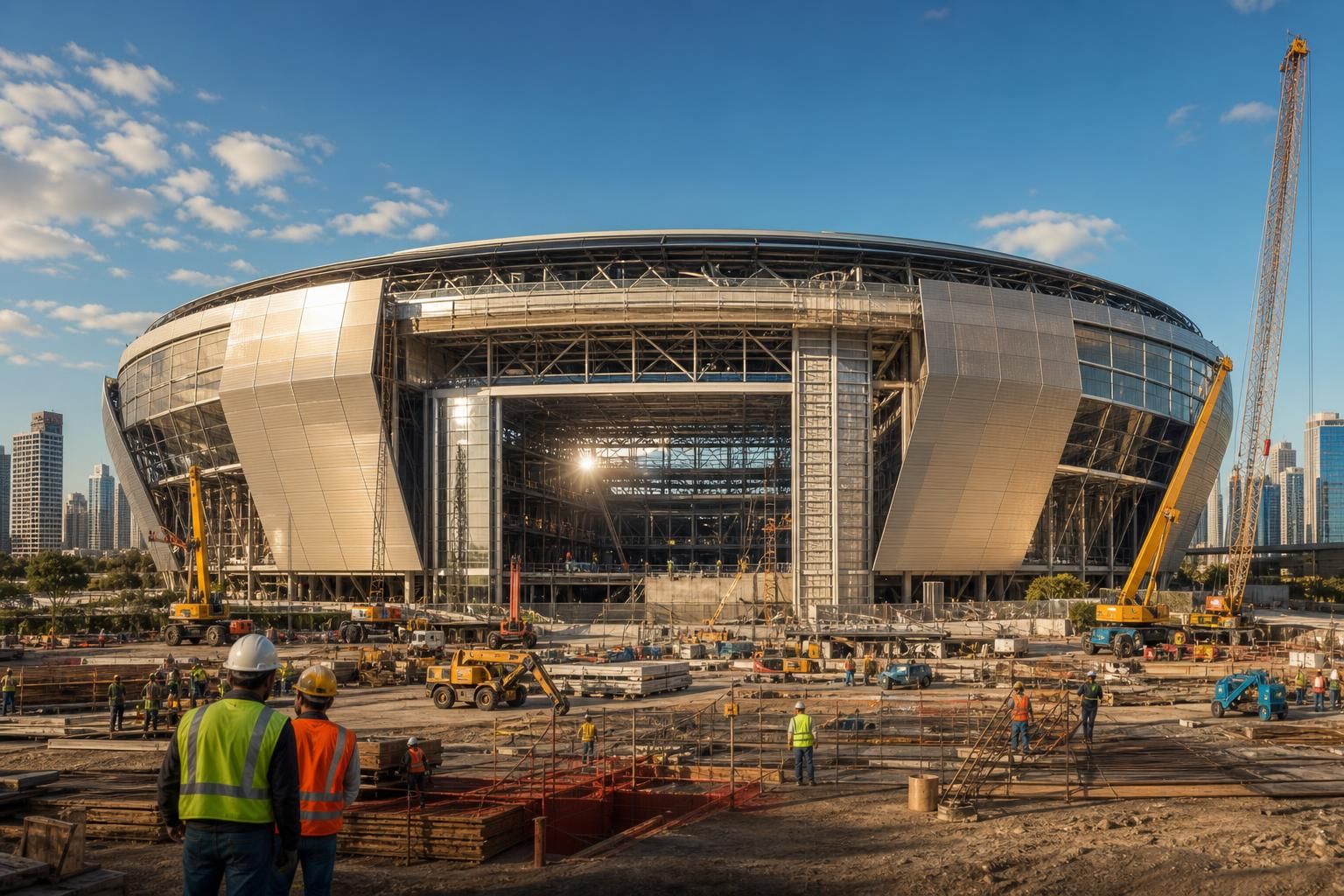
Construction is underway for one of the most unprecedented Mixed Martial Arts fight events set for June 14th on the iconic South Lawn of the White House. This MMA Arena will host a stunning lineup of six fights, including a high-stakes showdown between France’s Ciryl Gane and Brazil’s Alex Pereira for the interim heavyweight title, as well as a main event featuring Spain’s Ilia Topuria taking on Justin Gaethje for the lightweight belt. What raises eyebrows is the scale and the financing of this epic fight. With a jaw-dropping $60 million budget dedicated solely to the event, from the temporary arena construction to post-event grounds restoration, UFC’s CEO Dana White has made it crystal clear: No Public Funds will be used. Every dollar is coming through private funding, reaffirming that taxpayers won’t have to foot the bill for this spectacle.
The attention to detail is massive—an octagon cage with a surrounding fence will be installed, along with grandstands to accommodate approximately 4,500 guests directly on the lawn. In addition, up to 100,000 fans can catch the fights from a nearby park via giant screens. These figures alone highlight the logistical prowess behind orchestrating such a grand sports venue within federal grounds. This isn’t just a celebration of the UFC’s dominance in Mixed Martial Arts; it’s also tied to the country’s 250th anniversary, adding layers of patriotic spectacle to the sporting event. Trump, a well-known MMA fan and an avid supporter of combative sports, definitely sees this as a rare moment blending culture, politics, and entertainment on a historic scale.
Massive Arena Construction for UFC’s Historic Fight Event Without Public Money 💥
The ongoing arena construction in front of the White House is a marvel of engineering and planning. Giant cranes are busy assembling a massive metal arch that will support lighting rigs for optimal fight visibility. Unlike typical stadiums, this temporary installation demands special care—after the event, $700,000 is earmarked just to replace the grass that’ll endure weeks of rigorous activity. The UFC is on the hook for every cent, making it clear that this fight event is strictly funded via private means. The White House administration confirmed that no governmental or taxpayer funds will be involved, dismissing any concerns about public financing.
This strategic decision not only ensures smooth political relations but also sets a precedent for future sporting spectacles on federal grounds. Despite all the grandeur, some controversy lingers since the cost and logistics are immense for an event that lasts just one night. Yet, UFC’s commitment stands firm, showing the scale of ambition behind staging a fight card at such a monumental location. Enthusiasts can’t help but juxtapose this with other large-scale sporting promotions that often lean heavily on public dollars.
Key Matchups Fueling the Excitement at the MMA Arena on June 14th 🥊
The card packs intense drama: Ciryl Gane vs. Alex Pereira is an intriguing clash for the interim heavyweight championship. Both fighters bring contrasting styles and formidable skills, promising an electrifying match-up. Meanwhile, Ilia Topuria, virtually unstoppable with an undefeated record, steps into the main event to take on the rugged Justin Gaethje, ranked second among UFC’s top fighters. This fight isn’t just for a belt; it’s a battle for dominance within one of the most competitive divisions in MMA.
Fans interested in following up on recent developments around international MMA records and fighters can deepen their insights by reading about rising stars in French MMA and the sport’s global expansion. The event will serve as a showcase for elite combatants and regional pride, further amplifying UFC’s unrelenting growth trend. In combination with the epic fight atmosphere created by the prestigious location, it’s clear why this event is one of the most talked-about sports happenings this year.
Political Ties and Private Funding: The UFC’s Commitment to No Public Money 💵
Leading up to this event, UFC CEO Dana White confronted the growing skepticism about governmental funding head-on, stressing the private funding structure backing the arena and fight card. The organization is absorbing the whole cost, including setup and teardown, showing serious investment in the UFC’s brand and its cultural influence. Trump’s association with the UFC has provided added political flavor to this unique event, yet White emphasizes that this is about honoring the nation’s 250th anniversary and putting on a first-class sporting event, not politics.
This clear stance on funding rejects the criticism often levelled at major events that request taxpayer subsidies for their hefty budgets. UFC’s approach here provides a case study in how an elite-level fight promotion manages to navigate the financial and political intricacies of staging a major mixed martial arts event on government property. The buildup has also stirred fresh enthusiasm around the sport, influencing other venues and cities planning their own major fight nights without relying on public funding. Curious readers can discover more about the ongoing political ties in combat sports via Trump’s recent White House promotions, offering context to this collaboration.