With the countdown at just 31 days until kickoff, the 2026 FIFA World Cup is already buzzing with anticipation, reshaping the landscape of international football. This edition is not just another tournament; it’s a sprawling celebration hosted across three North American giants—the United States, Canada, and Mexico. The expansion to 48 teams introduces a fresh dynamic, promising more thrilling encounters but also stirring debates over squad depth and strategic adaptability. Analyzing team lineups amid evolving player form reveals emerging leaders and tactical plots shaping the upcoming spectacle. Meanwhile, host cities are ramping up to deliver world-class venues, blending cutting-edge infrastructure with the rich cultural textures of their regions. The looming question is not just which team will lift the trophy but how the multi-nation hosting and the new competition format will influence soccer tactics and the resilience required from squads. From star-studded favorites to dark horses, the stage is set for remarkable football drama underpinned by strategic chess matches on the pitch.
In brief:
⚽ The 2026 World Cup debuts a 48-team format spread across three host countries, demanding adaptation in team strategies.
🌟 Established stars like Christian Pulisic and Kylian Mbappé are poised to lead, but key roster decisions remain, especially for the USMNT.
🚧 Host cities are investing heavily in logistics and stadium upgrades, ensuring top-tier facilities and fan experiences.
🎯 Traditional powerhouses like Brazil, France, and Argentina remain favorites, while emerging nations and tactical surprises loom as potential disruptors.
🧐 Squad depth and managing player fitness under intensified travel and climatic conditions are expected to be decisive factors.
Projected Team Lineup Insights and Player Predictions for the 2026 World Cup
The complex web of player selections highlights the balancing act coaches face when assembling their squads for the 2026 World Cup. Looking specifically at the US men’s national team under Mauricio Pochettino, the process combines a healthy blend of proven veterans and promising talents who have matured since the previous World Cup cycles. The likes of Christian Pulisic, Tyler Adams, and Chris Richards exemplify players who have moved from hopeful prospects to key figures within the team’s core strategy. Yet, there’s still an open contest for crucial roles such as the starting striker position and central midfield—a chess game where soccer tactics are directly tied to player versatility and form.
Behind these headline names lies a rigor in curation: Matt Freese appears the calm and reliable first-choice goalkeeper, while the defense sees an interesting battle among heavyweights like Tim Ream and the youthful dynamism of Miles Robinson. This kind of positional competition typifies the challenges American coaching staff must navigate, ensuring a squad that is not only technically skilled but tactically flexible enough to shift gears against varied international opponents.
USMNT Starting XI and Tactical Outlook
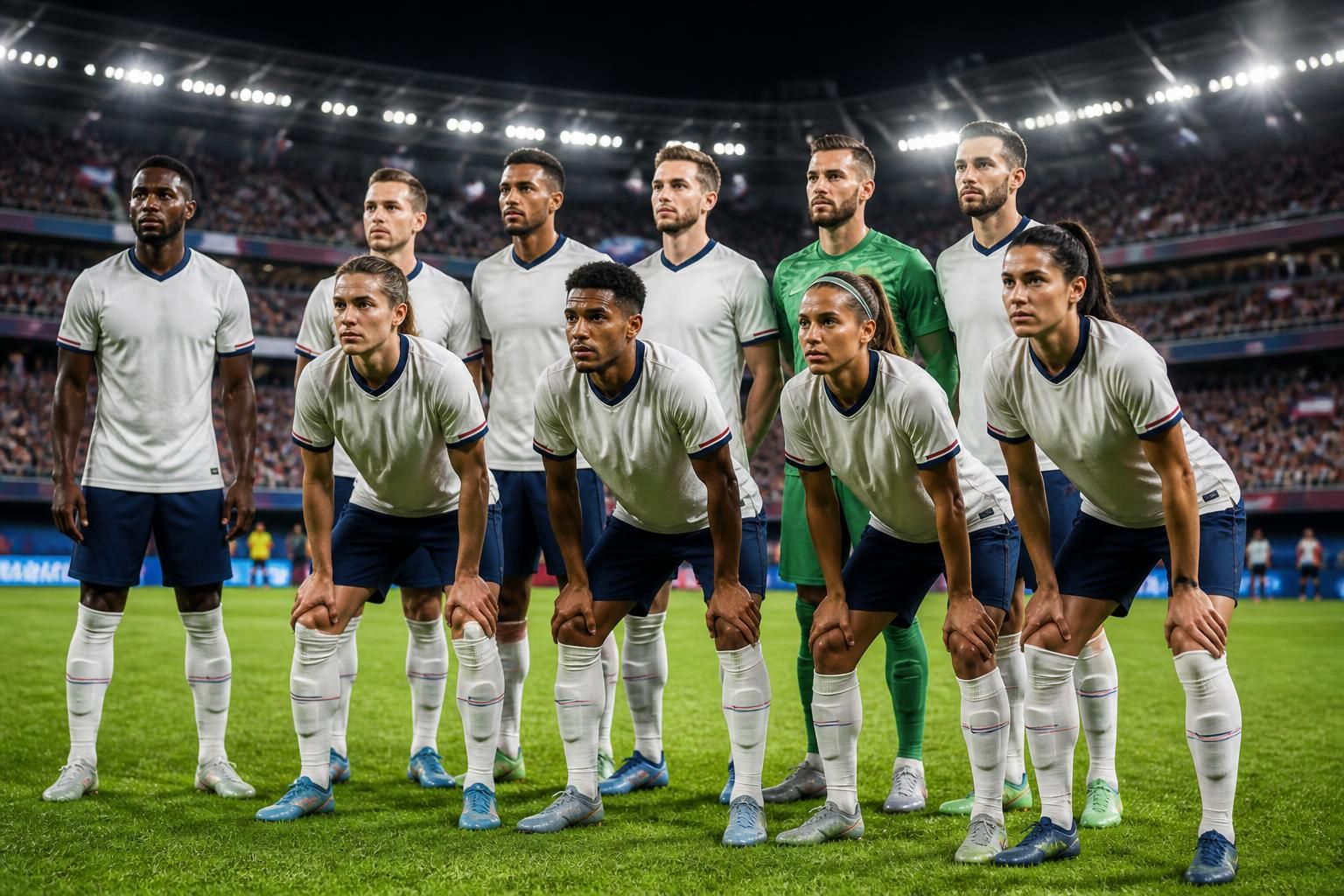
Pochettino’s predicted starting eleven blends experience with agility, a combination essential for managing the high stakes and intense schedule imposed by the tournament’s expanded format. The backline, anchored by Chris Richards, aims to provide aerial strength and positional discipline, critical attributes when facing powerhouse offenses. Meanwhile, the midfield is marshaled by Tyler Adams, whose leadership and relentless work-rate are likely the engine behind the team’s pressing game. Creativity and attacking impetus will center around Malik Tillman and Brenden Aaronson, players whose evolving roles mirror shifting team strategy and tactical innovations seen in recent international fixtures.
Upfront, the forward line is poised to be pivotal with Folarin Balogun and Ricardo Pepi competing to become the primary goal threat, supported by Tim Weah’s versatility on the wing and wing-back positions. This fluidity in attack underscores the necessity of adaptable frontline players who can toggle between counterattacking pace and sustained possession play.
How Host Nations are Shaping the 2026 World Cup Experience
Hosting the world’s biggest football event simultaneously across the United States, Canada, and Mexico presents colossal logistical challenges but also transformative opportunities. Each country brings a unique flavor and infrastructure readiness—the United States with iconic stadiums in cities like Los Angeles and Toronto, Mexico rekindling football fervor in Monterrey, and Canada making its debut on this stage with a palpable energy in cities such as Vancouver. These developments promise heightened fan engagement and innovative matchday experiences, albeit accompanied by travel and climate considerations that could significantly impact match previews and team preparations.
Leveraging these diverse environments requires astute tactical adjustments and mental resilience from participating teams. The management of such variables will be critical as squads navigate the tournament’s demanding pace and travel distances. This complexity adds an extra layer of intrigue and a new dimension to football analysis frequently overlooked in previous editions.
Competition Format Changes and Their Impact on Team Strategies
The shift to 48 teams and 16 groups of three introduces unpredictable dynamics that challenge traditional soccer tactics. With fewer group matches, each game gains heightened importance, compelling coaches to adopt more aggressive yet risk-aware strategies. The new knockout phase starting with 32 teams will test endurance and squad rotation policies extensively. This creates a fertile ground for tactical experimentation but also calls for depth across all positions, where injuries or dips in player form can derail a campaign.
Understanding these nuances is essential to framing sensible player predictions and lineup selections. The increased squad size allows head coaches the latitude to balance specialists with versatile all-rounders, adding complexity to the final roster decisions. These elements converge to make the 2026 World Cup a grand stage not just for individual brilliance but for strategic mastery at the highest level.
Global Favorites and Emerging Contenders Ready to Surprise
The list of pre-tournament favorites firmly positions Brazil, France, Argentina, Spain, and England as the powerhouses, each boasting key players who carry not only skill but experience in navigating high-pressure environments. Brazil’s mix of youthful flair, with players like Vinícius Júnior, against the tactical nous of France’s Kylian Mbappé exemplifies the duel for supremacy. However, it’s wise not to underestimate the rising tactical discipline and ambitious squads from African and Asian nations, who bring new challenges to the impending global contest.
These teams, alongside tactical dark horses, have every chance to disrupt the established order, fueled by prior experiences and improved infrastructure highlighted in detailed analyses similar to those found in this comprehensive World Cup preview and insights from host cities outlined at world cup cities preparation. Their ever-improving squad depth ensures the 2026 tournament will be as much about strategy and adaptability as about raw talent.