
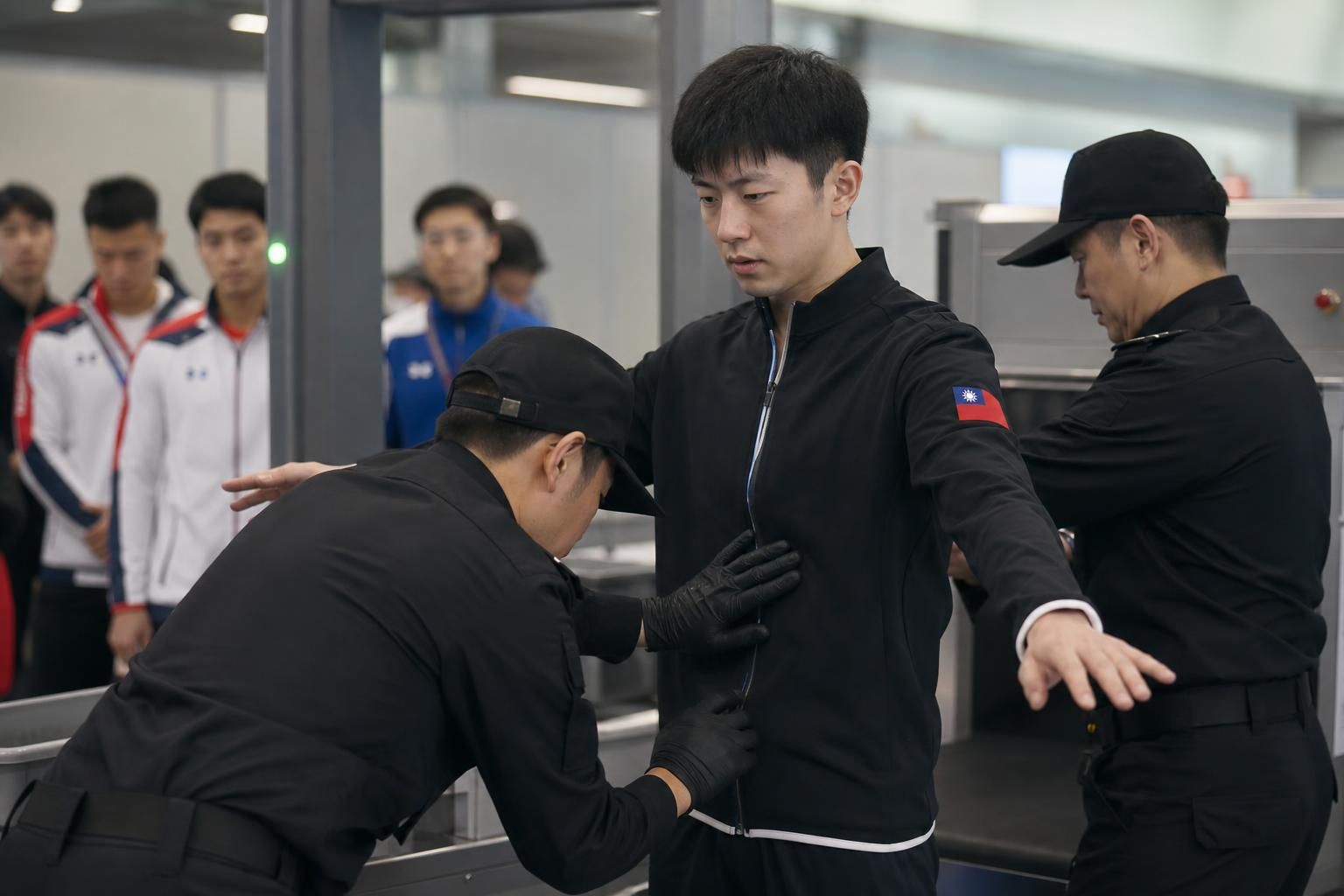
🚨 The world of table tennis is currently rocked by a significant scandal involving Taiwanese star Cheng I-ching. At the 2026 World Team Table Tennis Championships held in London, Cheng reported experiencing inappropriate conduct during a security check prior to her match. This disturbing allegation has not only gained attention from international sports bodies but has also triggered an immediate investigation. The incident raises urgent concerns about sports ethics, athlete behavior, and the integrity of event security protocols. The International Table Tennis Federation (ITTF), along with World Table Tennis (WTT) and local organizers, expressed deep unease regarding the claims and emphasized the necessity for all athletes to be treated with respect and protected from misconduct. Meanwhile, Taiwan’s sports authorities have voiced staunch support for Cheng, underscoring the imperative to guarantee a safe and fair environment for competitors worldwide.
📰 The episode highlights persistent challenges faced by athletes, especially women, in upholding their dignity and safety amid stringent but essential security measures at high-profile international sports events. Cheng, ranked 21st globally in singles, has chosen to speak out not only to seek justice for herself but to shed light on wider systemic issues within sports venues. This controversy adds a complex layer to the ongoing debate over how security processes must be balanced with respect for personal boundaries — a vital topic for all disciplines, but particularly pressing in the fast-paced and globalized world of table tennis. As investigations proceed, the sports community watches keenly, knowing that the outcomes here could set critical precedents for protective standards at future competitions.
Table Tennis Scandal Unfolds: Taiwanese Player Faces Allegations of Inappropriate Security Check Conduct
The 2026 World Team Table Tennis Championships in London were marred by a troubling incident involving Cheng I-ching, a leading Taiwanese player. Cheng, aged 34 and ranked 21st worldwide, reported an episode of inappropriate physical contact during a mandatory security screening as she and her team arrived to prepare for competition. This event stirred an immediate response from Taiwan’s Ministry of Sports and the Chinese Taipei Table Tennis Association (CTTTA), who publicly backed the player.
The CTTTA clarified that the incident occurred as the women’s team entered the arena to warm up. Subsequently, security protocols were reviewed, and the implicated officer was suspended pending an investigation. Organizers issued an apology, acknowledging the breach of trust inherent in the allegations. The International Table Tennis Federation (ITTF) also declared its deep concern and commitment to ensuring all athletes encounter secure and respectful environments, regardless of the heightened threat levels that prompted the rigorous entry procedures.
The Importance of Safeguarding Athlete Welfare Amid Heightened Security Measures
While security must be robust — especially in the climate of elevated threats in the UK — it cannot come at the cost of athlete dignity or safety. The ITTF made clear that stricter protocols should always be administered with professionalism and respect, a standard the accused actions clearly defied. Sports ethics demand that no player ever endure violations under any pretext, and Cheng’s case has magnified these critical conversations.
Cheng herself, through social media, connected her experience to a broader reality faced by countless female athletes. Her resolve to speak up reflects a shift in sports culture, where silence is no longer an option. She emphasized that her stand aims to protect all women competing worldwide from similar mistreatment, an appeal that resonates far beyond table tennis.
Impact on International Sports: How the Incident Questions Security and Athlete Behavior Standards
This scandal is not an isolated issue but a symptom of wider concerns about player investigation policies and the enforcement of respectful treatment at major events. With security staff operating under intense pressure, the potential for overreach or misconduct must be met with zero tolerance. The ITTF and World Table Tennis face the urgent task of reinforcing training, oversight, and accountability to prevent recurrence.
The Taiwanese team continued their tournament with mixed results, showing resilience despite the upheaval. They defeated South Korea 3-1 yet succumbed to China and Romania in subsequent matches. Cheng, however, has not played since the incident, underscoring the personal toll inappropriate security conduct can levy on athlete performance and wellbeing.
For insights into similar competitive environments and sports culture shifts, readers may find valuable perspectives at this detailed analysis on Cheng I-Ching’s scandal and how bias and ethics in tennis club activities are being challenged today.
Examining the Protocols: Balancing Security and Respect in Global Sporting Events
With the upcoming trajectory of these investigations, sporting organizations worldwide will likely revisit their security and athlete interaction protocols. A key challenge will be calibrating the tension between necessary protective measures and the imperative to uphold fundamental athlete behavior standards. The incident involving Cheng I-ching is a potent reminder that safeguarding wellbeing is inseparable from securing venues.