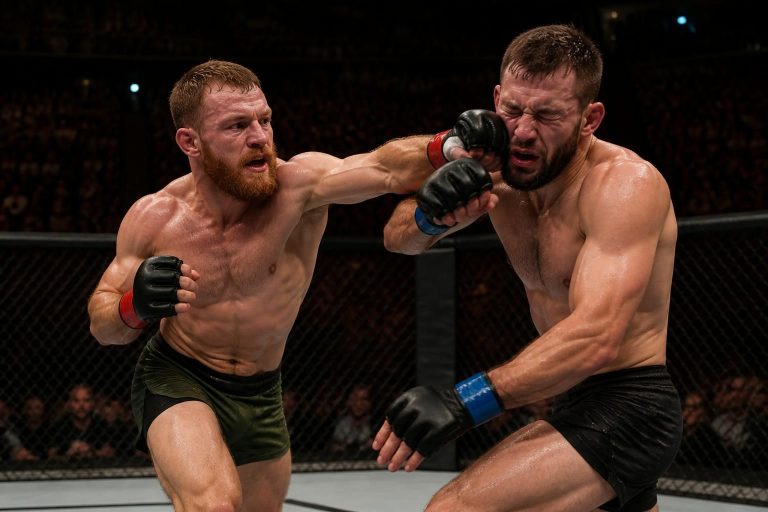
Diving into the world of MMA for kids might seem daunting at first. After all, this sport only gained full legal status in France six years ago and carries a reputation for its intensity and physical demands. Yet, the truth is far from the myths. Tailored youth training programs have evolved to focus on safety, discipline, and skill development while carefully avoiding head strikes and limiting techniques to foster confidence without compromising wellbeing. These classes don’t just build physical fitness; they equip children with self-defense abilities, sharpen their mental resilience, and nurture a well-rounded athletic prowess. However, jumping into the cage requires a look beyond the hype: costs for membership often surpass those in other sports due to MMA’s multifaceted nature, making budgeting a key consideration for any parents. Moreover, the surge in popularity has caused a bottleneck in club admissions, especially near big cities, demanding early planning for enrollment. Ultimately, understanding these nuances offers families a clearer picture of what it really means to embark on this martial arts journey.
Getting a grip on child enrollment in MMA today means balancing enthusiasm with scrutiny. Clubs often charge between 150 to 500 euros annually depending on location and frequency of sessions, notably with Paris at the higher end. The required gear, though essential, remains surprisingly affordable – around 150 euros for standard gloves, shin guards, and compression wear. Importantly, kids practicing MMA shave off expenses on sports shoes thanks to barefoot training. For young aspirants aiming at amateur competition circuits like the MMA League Junior, some travel across the country is inevitable, though participation remains reserved for roughly 10-15% of the youth enrolled. With the booming interest – over a 300% hike in licensed youngsters in half a decade – early sign-ups become almost non-negotiable to secure a place in quality clubs. Knowing when and where to register – ideally in June for the upcoming season – is crucial to dodge last-minute rejections and ensure the best coaching experience for developing future champions.
How Safety and Discipline Shape Youth MMA Training
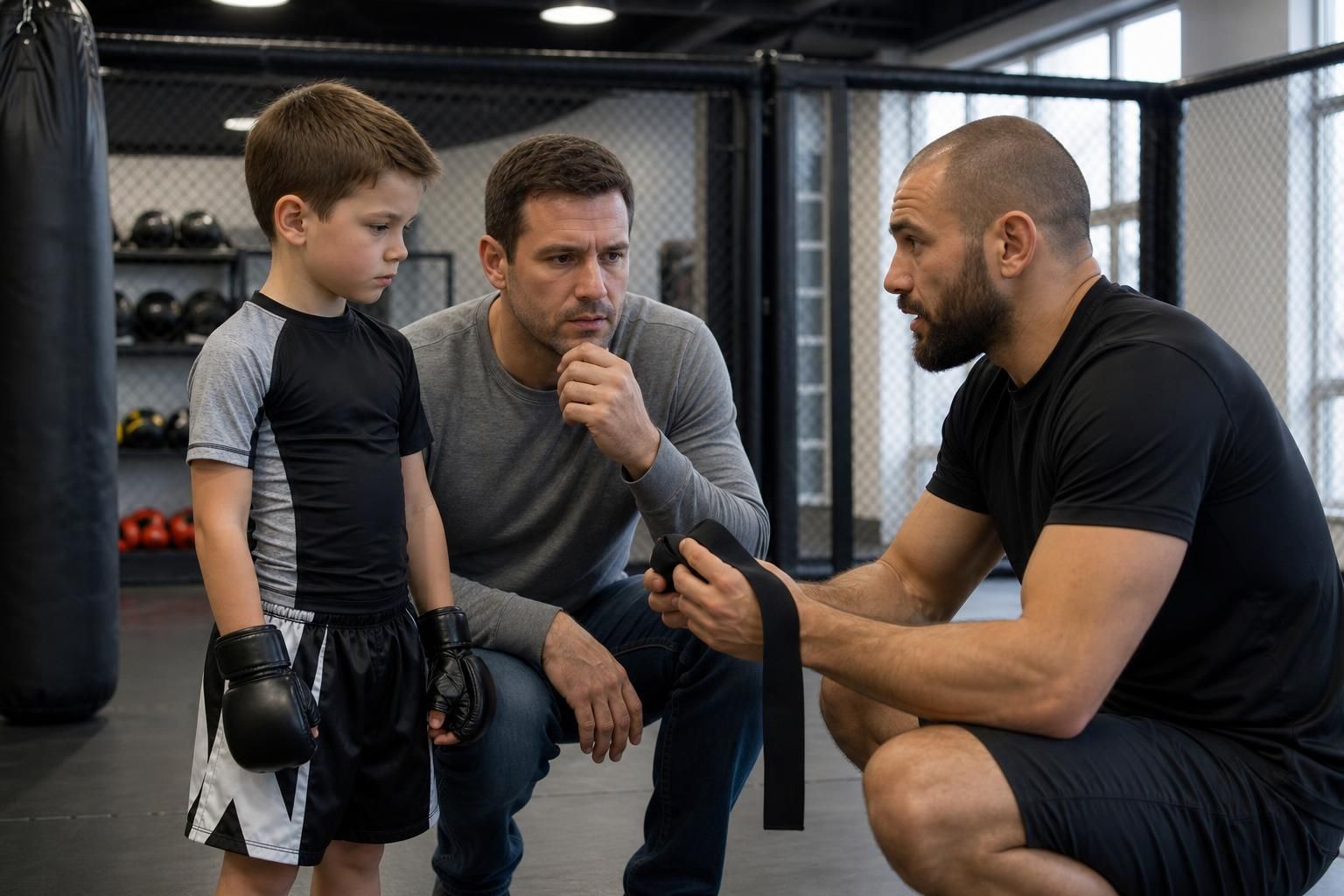
Despite lingering concerns about violence, modern youth MMA training emphasizes strict safety protocols and disciplined coaching. Unlike the full-contact bouts seen in professional circuits, classes for children restrict techniques extensively, eliminating strikes to the head and violent maneuvers. This protective approach promotes an environment where skill development thrives alongside a sense of respect among peers. Coaches certified in child-specific methods guide participants through progressive physical fitness routines that also train coordination, endurance, and tactical thinking. The goal is less about confrontation and more about fostering a strong mindset that can translate into self-confidence and resilience in everyday life. Clubs adopting these standards report enhanced retention rates and greater parental trust as a result.
Choosing the Right Club: What Parents Should Know
The explosion in MMA’s popularity means more clubs than ever before, yet demand still outpaces supply by a large margin. Parents must weigh factors such as the reputation of coaching staff, safety records, and class structures before committing. Unlike team sports with weekly matches, youth MMA competitions are sporadic, reducing constant weekend disruptions but requiring some parental commitment for travel to key events. Particularly in urban hubs like Paris, clubs may charge premium prices, reflecting more intensive programming and higher overhead costs. Transparency about training expectations, injury prevention, and progression pathways for kids helps separate casual gyms from those genuinely invested in nurturing young talent.
Understanding Costs and Commitment Beyond the Classroom
Entering MMA isn’t just about showing up on the mat. Parents must prepare for an initial investment in equipment that balances quality and affordability. Essential items include gloves costing between 30 and 45 euros, shin guards, a mouthguard, and a mandatory groin protector for boys, totaling an average of 150 euros for solid gear. Plus, the “rashguard” shirt and appropriate shorts round out the kit. This gear ensures protection during drills and contest preparation, helping young athletes avoid injury while training vigorously. Additionally, there’s a financial dimension to consider when kids progress to amateur competition stages, potentially requiring travel across France for the MMA League Junior’s five event stages. Compared to many team sports, these commitments can be more variable, emphasizing the importance of transparency and readiness when assessing whether MMA fits family logistics and budgets.