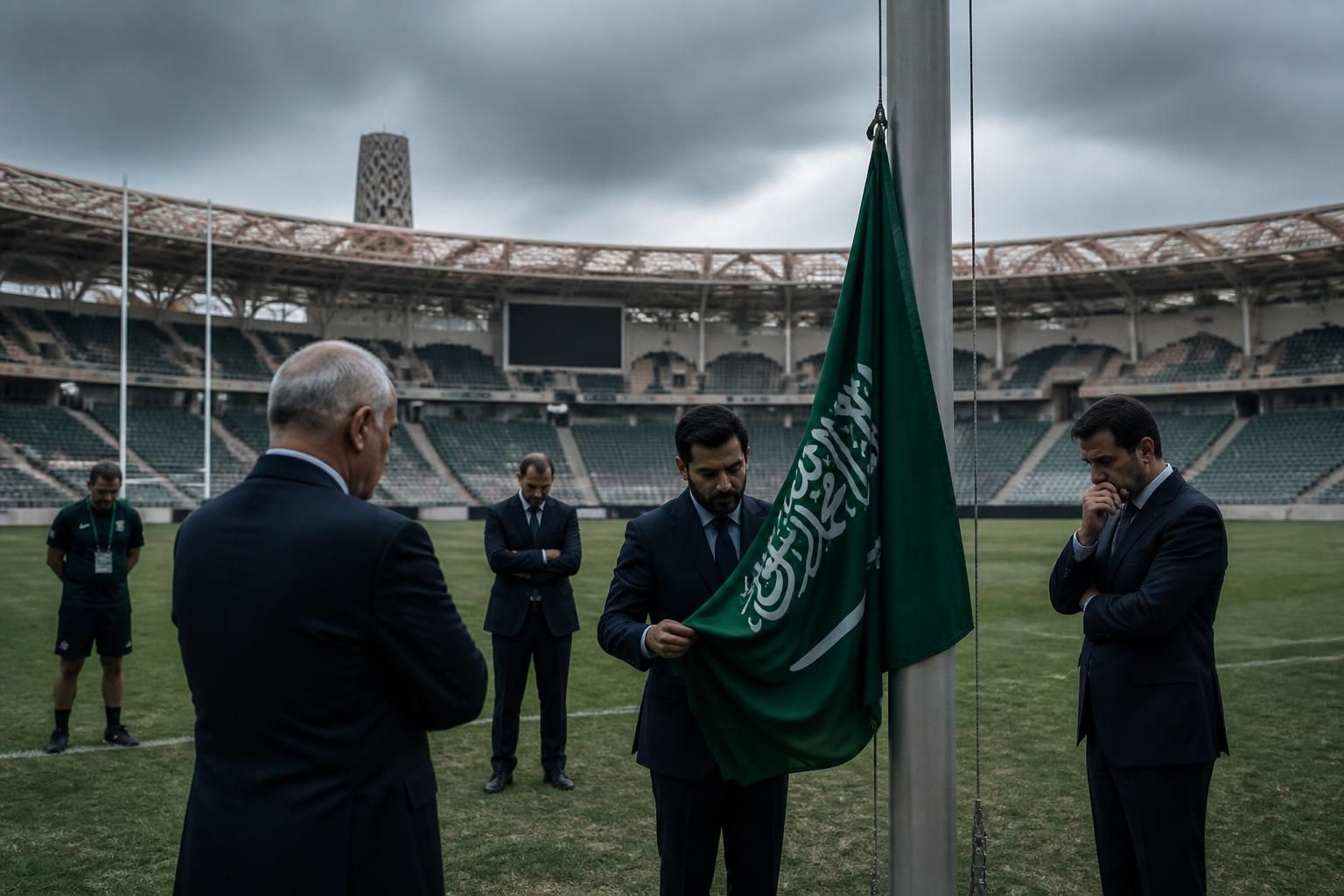
The Rugby World Cup landscape has experienced a major shakeup as Saudi Arabia officially withdraws from its bid to host the 2035 tournament. This decision stems from a strategic financial reassessment led by the kingdom’s Public Investment Fund (PIF), which has shifted its focus toward projects promising more immediate financial returns. Previously, Saudi Arabia’s ambitions to organize this marquee sports event had signaled a bold move into international rugby, aligning with the country’s broader sports hosting initiatives, such as the upcoming 2034 Football World Cup and investments in Formula One infrastructure.
The withdrawal leaves a significant void in the upcoming Rugby World Cup hosting race, with no formal joint bid materializing between Saudi Arabia, Qatar, and the United Arab Emirates despite talks involving Asia Rugby leadership. It raises questions about the kingdom’s long-term strategy in hosting global tournaments and the viability of sports events as tools for international branding when weighed against financial pragmatism. Furthermore, this development impacts not only the international rugby community but also the sporting and economic ecosystems within the region.
Saudi Arabia’s Withdrawal from Rugby World Cup 2035 Hosting Bid Reveals Financial Realignment
The Saudi Public Investment Fund’s recent pivot from its previous expansive sports investment approach has meant sidelining the Rugby World Cup 2035 hosting bid. Previously championed by sports minister Prince Abdulaziz bin Turki al-Faisal, the plan was expected to anchor Saudi Arabia as a key player in international rugby by 2035. However, with the PIF’s current “value realization” phase emphasizing financial returns over high-profile event hosting, the kingdom opts to concentrate on domestic infrastructure upgrades.
While the kingdom remains committed to staging other major sports events like the Football World Cup in 2034, the cancellation of the rugby bid underlines a sharp withdrawal from diversification into less-established sports sectors. This withdrawal also echoes recent cutbacks in funding for LIV Golf, highlighting a broader retrenchment within Saudi sports investment strategies.
Impact on the International Rugby Scene and Regional Sports Dynamics
This withdrawal leaves international rugby stakeholders reconsidering their roadmap for expanding the sport’s global footprint. Saudi Arabia’s bid had symbolized a rare push into the Middle East for such a prestigious tournament, promising to energize rugby’s profile in a region predominantly focused on football and motorsport.
The decision not only stalls potential regional growth for rugby but also strains projected partnerships with neighboring Gulf states, notably Qatar and the UAE, who were exploring a joint hosting model. The ripple effects extend into organizational planning, local sports development, and fan engagement strategies, complicating efforts to build rugby’s appeal in new markets.
Repercussions for Future Bids and Sports Event Hosting Strategies in Saudi Arabia
Saudi Arabia’s abandonment of its hosting ambition for the Rugby World Cup 2035 is a telling indicator of a broader recalibration in how the kingdom will approach international sports events. With increased scrutiny on financial viability, the organizing committee’s roadmap for major events will likely favor projects with assured returns. This approach may influence upcoming bids for other global competitions, emphasizing domestic infrastructural enhancements and regional collaborations instead of unilateral, audacious bids.
For rugby fans tracking recent developments such as those covered on Bordeaux’s clash against Toulouse or the challenges faced in club rugby finances like those detailed in recent club bankruptcies, the withdrawal poses a sober moment on how external sporting ambitions interplay with fiscal realities.