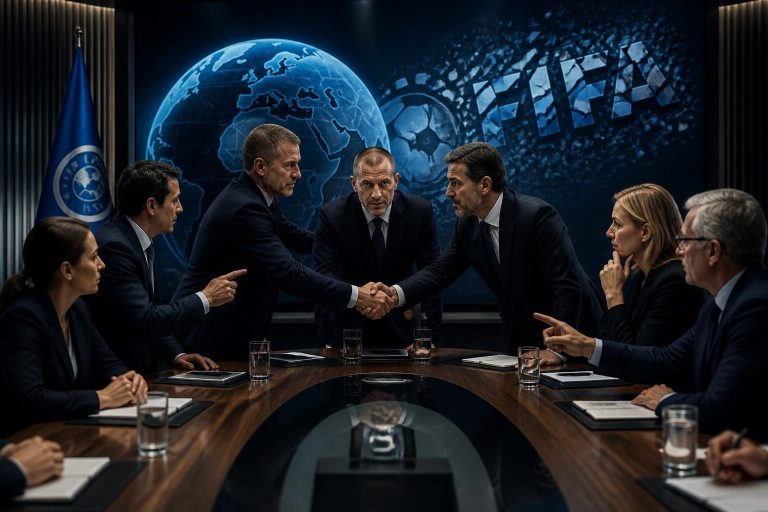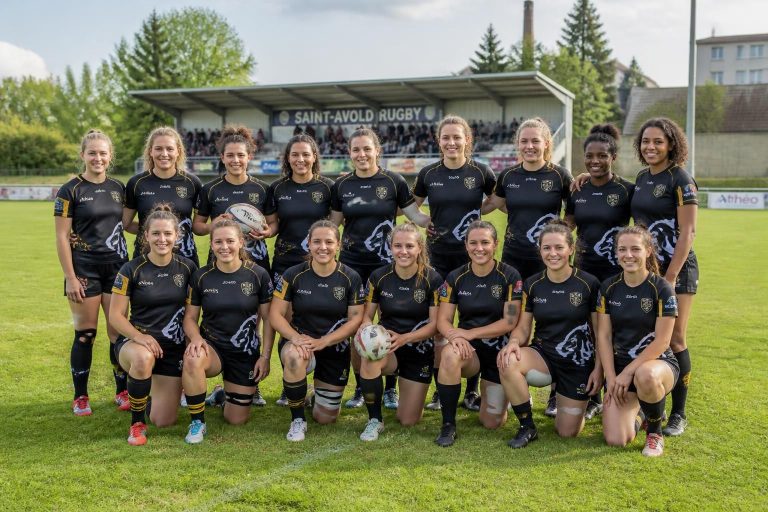
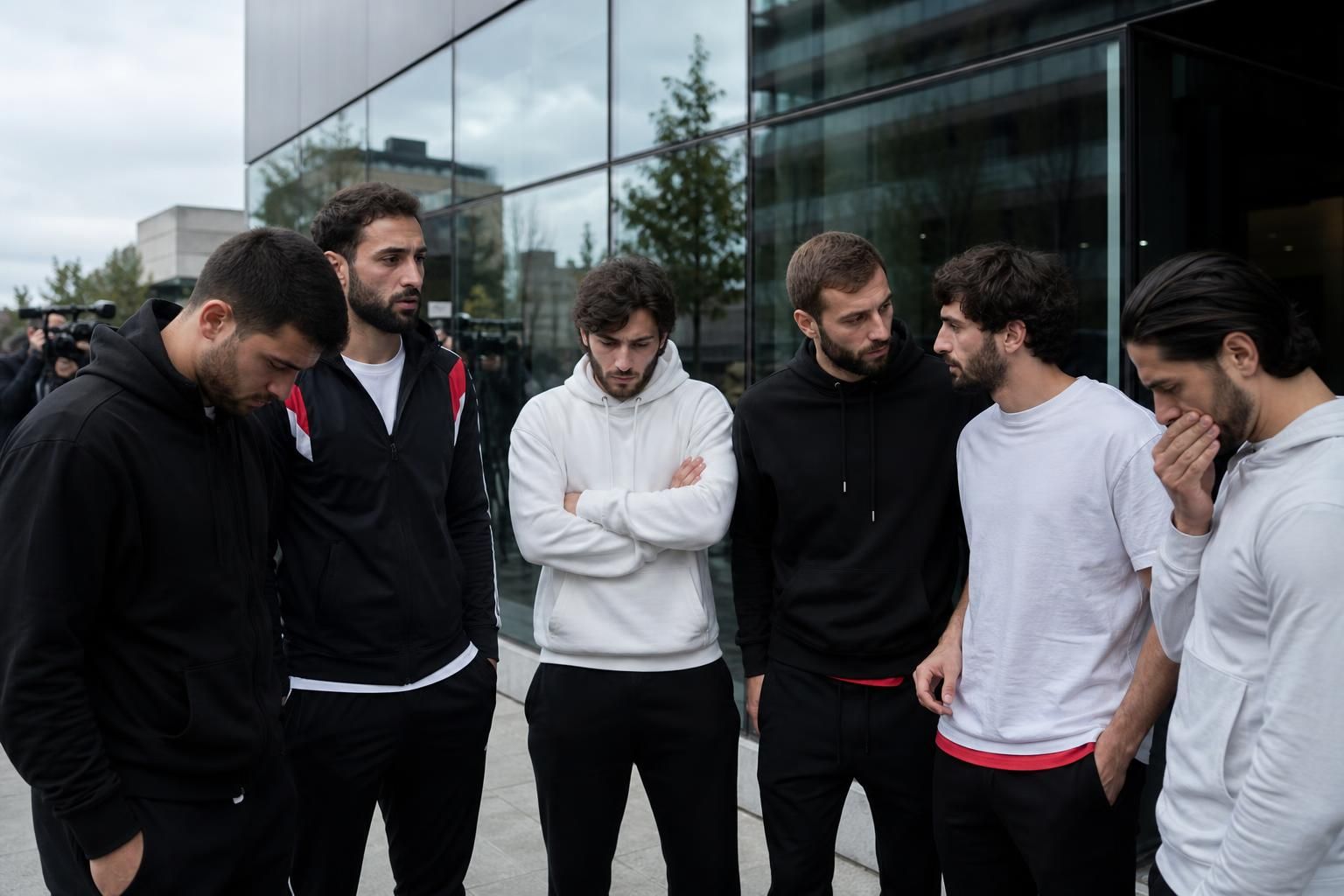
Scandal alert 🚨: Six players from the Georgian rugby team have been suspended by the World Anti-Doping Agency (WADA) following a shocking investigation into a sophisticated doping scheme. The probe, which began before the 2023 Rugby World Cup, revealed an orchestrated system involving the substitution of urine samples and the use of recreational drugs. This scandal has sent shockwaves through the sports world, seriously damaging the integrity of the Georgian team and putting their future participation under a cloud of uncertainty. Meanwhile, WADA’s confidence in Georgia’s anti-doping program has been shattered, raising worrying questions about governance and oversight in the region. With the Rugby Europe Championship final looming, where Georgia was the strong favorite, and the next World Cup appearance scheduled for 2027 in Australia, this scandal throws a major wrench in their sporting ambitions.
In brief 🏉:
- Six international Georgian rugby players suspended for anti-doping violations involving urine sample substitution.
- One team official also implicated, indicating an organized doping network within the Georgian program.
- WADA lost trust in Georgia’s national anti-doping protocols due to repeated procedural irregularities.
- Investigation included voluntary testimonies revealing early warnings of doping controls and failure to properly monitor athletes.
- Despite Georgia’s solid rugby presence—appearing in every World Cup since 2003 and dominating the Rugby Europe Championship—the scandal casts a shadow on their sporting achievements.
- World Rugby and WADA remain tight-lipped until disciplinary proceedings conclude, but further investigations are underway.
Scandal Rocks the Georgian Rugby Team: The Suspension of Six Players Sparks Controversy
This year’s rugby season in Georgia, traditionally a beacon of pride and steady progress, has taken a nosedive into controversy. Six players from the Georgian national team have been suspended due to involvement in a doping scandal that exposes significant flaws within their anti-doping controls. World Rugby and WADA’s joint investigation unearthed a systematic cover-up that included sample substitution and the misuse of recreational drugs. The scandal underlines how deeply athlete misconduct can erode trust not only in a team but in a nation’s entire sporting framework.
Notably, names of the suspended players remain undisclosed while investigations continue, but whispers around the Top 14 French clubs, where some of these athletes play, have heightened tensions. Players like Davit Niniashvili and Giorgi Melikidze, who compete internationally but are linked to this crisis indirectly, face scrutiny over their reputations. Beyond the immediate disciplinary action, this exposes vulnerabilities in local anti-doping enforcement, especially since some officials allegedly tipped off players about imminent tests and neglected proper monitoring protocols — clear breaches of standard procedures.
How the Sports Investigation Uncovered the Scheme
The investigation began after irregularities were detected in athletes’ biological passports, which raised red flags just before the 2023 Rugby World Cup. World Rugby’s stringent monitoring, combined with WADA’s enforcement, exposed at least five instances where urine samples had been swapped to avoid detection. More troubling, some members of Georgia’s anti-doping agency allegedly warned players in advance about upcoming controls, allowing them to strategize their compliance rather than face unbiased testing.
This breach of trust within the very organization meant to uphold clean sport is unprecedented at this level. It underlines a broader issue of governance and transparency within Georgian sports institutions and calls for a sweeping reform if the country hopes to restore its credibility internationally.
Impact of the Suspension on Georgia’s Rugby Ambitions and Global Sports Integrity
Georgia is no stranger to rugby’s global stage—having competed in every World Cup since 2003 and clinching eight consecutive Rugby Europe Championship titles. The team had been seen as an emerging force, challenging Europe’s rugby hierarchy beyond the Six Nations. Yet, this doping scandal risks derailing not just player careers but the entire national program’s legacy.
The immediate impact is a team suspension that weakens Georgia’s lineup ahead of critical upcoming matches, including the 2026 Rugby Europe final against Portugal. The suspension also poses questions about the level of disciplinary action appropriate, balancing accountability with the future of the players and the sport in the country.
Furthermore, this scandal feeds into a wider dialogue surrounding athlete misconduct and anti-doping compliance across international sports. It echoes past controversies in rugby and tennis, like those illuminated in recent analyses of match-fixing scandals in tennis (tennis scandal fixed matches). These high-profile cases emphasize the continuous challenges sports organizations face in maintaining integrity.
The Road Ahead: Rebuilding Trust and Overhauling Anti-Doping Programs
With ongoing disciplinary proceedings, World Rugby and WADA have signaled their determination to proceed with full accountability and transparency. The president of WADA, Witold Banka, described the situation as “scandalous,” highlighting the potential ripple effects across both Georgian sports and the global rugby community. Moving forward, the focus will be on a comprehensive review of Georgia’s national anti-doping frameworks, stricter enforcement, and education to prevent future breaches.
This scandal serves as a cautionary tale for all sports organizations—whether in rugby or outside it. Lessons from these audits could inform preventive measures not just in rugby but also in other sports with vulnerabilities in testing protocols, similar to those seen in tennis tournaments like in Nîmes or Figeac (top tennis in Nîmes, Figeac tennis competition). Transparency and a zero-tolerance approach to athlete misconduct will be key pillars in restoring trust and honoring fair competition.