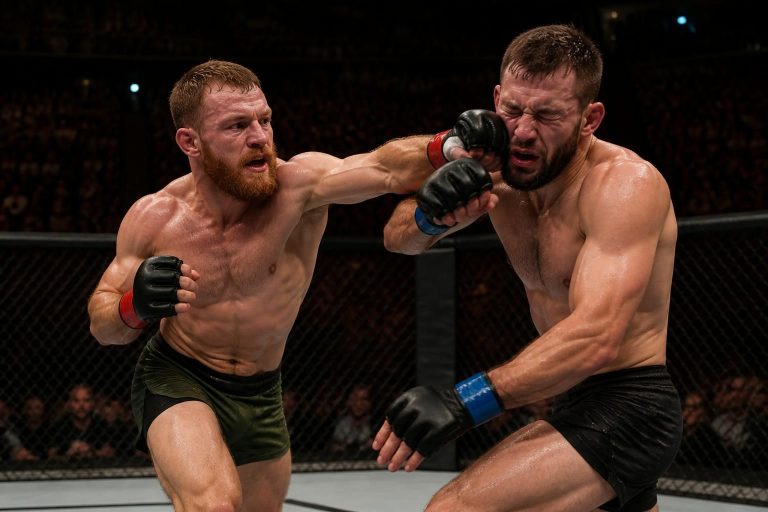

Markwayne Mullin, the Republican senator from Oklahoma and self-proclaimed MAGA Warrior, is poised to take the helm as Head of Security following the dismissal of Kristi Noem by Donald Trump. Known for his conservative outspokenness and hardline positions, Mullin is not your typical political nominee. His diverse background, including a stint as an unbeaten professional MMA fighter, gives him a reputation for toughness that Trump clearly admires and hopes will translate into a rigorous security strategy at the Department of Homeland Security (DHS). Yet, as 2026 unfolds, this appointment stirs a mix of anticipation and controversy, both within the Senate confirmation process and among political opponents.
This nomination arrives amidst intensified scrutiny of the Immigration and Customs Enforcement agency (ICE), especially after troubling incidents like the deaths of Renee Good and Alex Pretti in Minneapolis, which have sparked fierce debate over agency conduct. Mullin’s readiness to dismiss criticisms of ICE and defend aggressive enforcement practices signals a continuation of Trump’s hardline policies on immigration and border control.
Despite a robust defense of law enforcement, Mullin’s past is as rugged as his fighting style. His explosive temper, demonstrated in a near physical altercation with a union leader on the Senate floor, casts a sharp light on the kind of leadership he might bring—one that’s confrontational and intensely loyal to the MAGA brand. Such attributes certainly appeal to Trump, who has repeatedly praised Mullin as a stalwart Trump ally willing to fight for the conservative cause. Yet, in 2026’s charged political climate, this nomination could ignite ongoing debates about the role of force and rhetoric in safeguarding national security.

Markwayne Mullin’s Rise: From MMA Champion to Security Chief Nominee
Few profiles in American politics are as rugged and colorful as that of Markwayne Mullin, whose journey from professional mixed martial artist to Republican senator is anything but conventional. His nomination as the new Head of Security underscores his tough-guy image that resonates deeply with Donald Trump’s vision of a tough, no-nonsense federal security approach. But beyond the spectacle of a “MAGA Warrior” transitioning from the cage to public office, this appointment reveals a calculated move to solidify Trump’s conservative politics within the DHS, emphasizing border security and strict immigration enforcement.
Despite his political clout, Mullin’s nomination is shadowed by contentious debates. Critics fear his combative style and unyielding stance on immigration could escalate tensions. His outright dismissal of concerns following ICE-related controversies suggests a hardening of the federal security apparatus that many find troubling. In an era where political optics shape public trust, Mullin’s tenure will test how forceful policies balance with civil liberties—a challenge that sits squarely on the shoulders of any future security chief.
Mullin’s MMA Mindset Impacting His Political Role
Mullin’s background as a former undefeated MMA fighter isn’t just a trivia bullet point; it’s emblematic of his approach to politics and governance. Like a well-trained fighter stepping into the cage, Mullin is known for his relentless aggression and readiness to confront opposition head-on. These traits came to public attention not just in debates but tangibly during a Senate clash where he almost threw down insults and challenges in a very physical manner.
Such a temperament suggests a leadership style that might prioritize direct action and confrontation over diplomacy and nuance, which can be a double-edged sword in the complex realm of homeland security. The strategy Mullin brings to the role will likely include an emphasis on decisive enforcement and a reluctance to accommodate dissent or softer policy approaches, aligning squarely with Trump’s “law and order” rhetoric.
Political Underpinnings Behind Trump’s Security Appointment
This nomination isn’t just about security expertise but intertwines heavily with the ongoing narrative of Trump’s influence on conservative politics. Mullin is more than a security nominee; he is a symbol of the ongoing MAGA movement’s impact on shaping federal agencies that are foundational to national security. His hardline positions on immigration, opposition to transgender athletes in women’s sports, and absolute stance against abortion reflect a broader ideological agenda.
Trump’s backing is unwavering, painting Mullin as the “spectacular minister” who will undeterredly defend the nation’s borders and fight illegal immigration. Yet, the political reality is thorny: Senate Democrats have vowed to withhold DHS funding without reforms to ICE, signaling a tough confirmation battle. This standoff magnifies the polarized environment surrounding national security appointments and hints that Mullin’s tenure could be as fractious as his political career.
The ICE Controversies Shadowing the Nomination
Among the major hurdles for Mullin is the cloud of controversy hanging over ICE’s operational methods, especially following tragic deaths linked to federal agents. Mullin dismisses criticism as “obstruction” of law enforcement, going as far as to characterize ICE agents as patriotic heroes facing life-threatening risks. This framing aligns with Trump’s combative style but clashes with human rights advocates’ calls for accountability and reform.
As the DHS and ICE become battlegrounds for heated political debates, Mullin’s leadership will be scrutinized for how it navigates these waters. Will he maintain a persistent hard line or face pressure to soften methods and embrace oversight? The answer could define not only his legacy but also the public’s trust in the department he aims to lead.